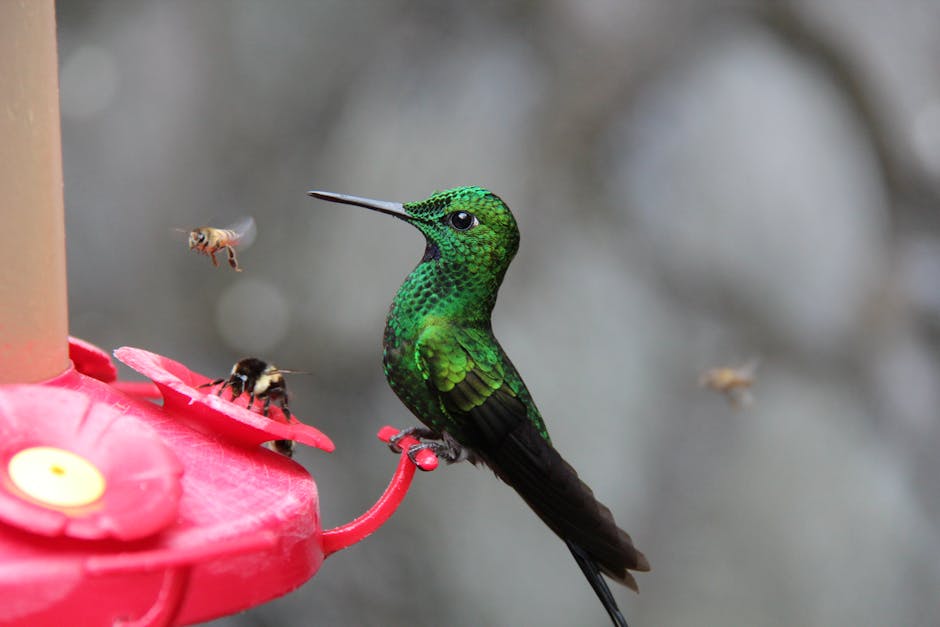
Are you frustrated because bees keep swarming your hummingbird feeder? You want to enjoy watching those tiny, colorful birds, but the buzzing and stinging bees steal the show.
It can be annoying and even dangerous, especially if you have kids or pets around. But don’t worry—there are simple and effective ways to get bees off your hummingbird feeder without harming them or your feathered friends. Keep reading, and you’ll discover easy tips that work, so you can bring peace back to your backyard and enjoy the beauty of hummingbirds again.

Credit: m.facebook.com
Why Bees Are Attracted
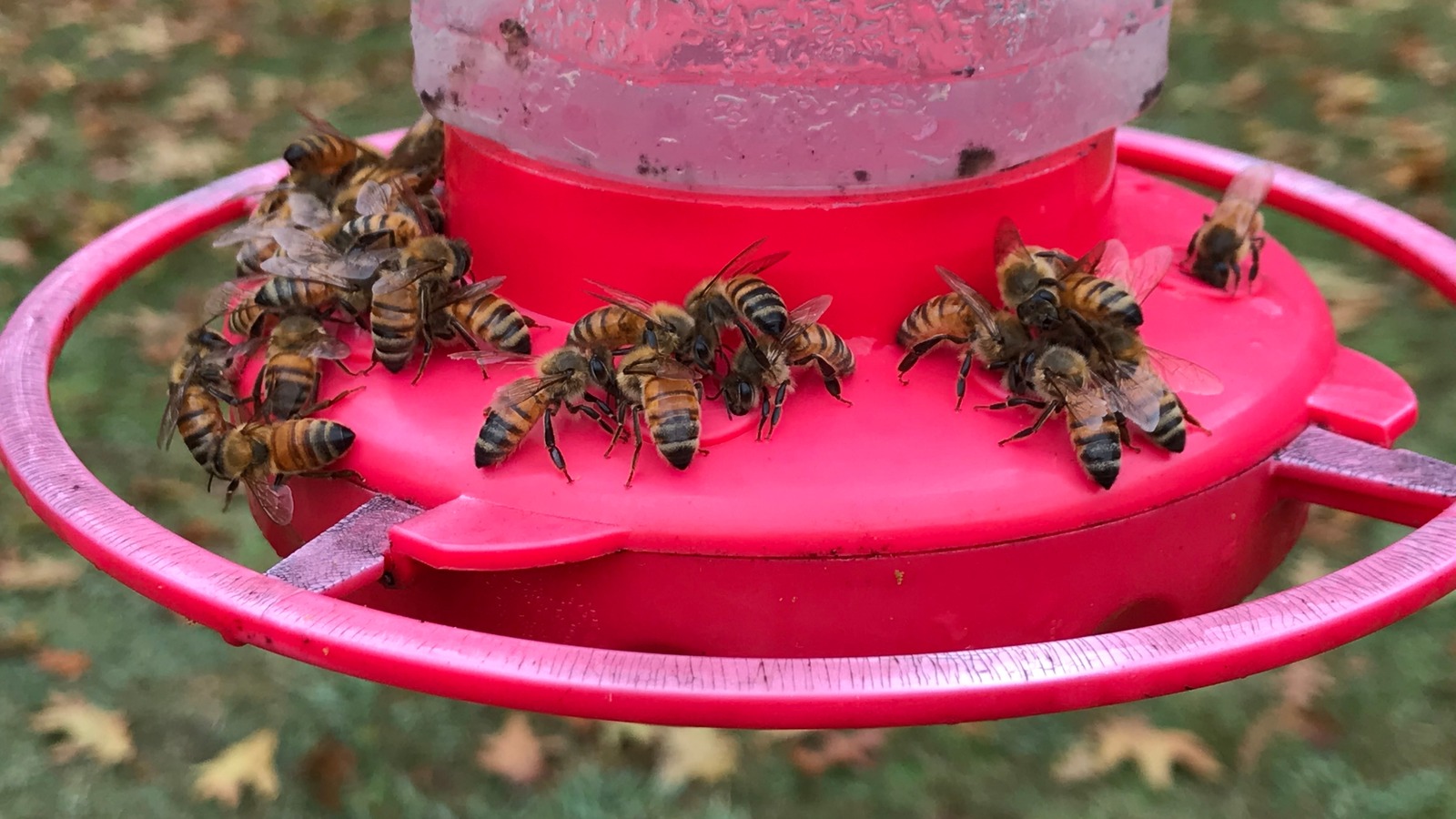
Bees love the sweet nectarin hummingbird feeders. The sugar water tastes like flowers to them. This attracts many beesto the feeder, causing problems for hummingbirds.
The feeder designalso plays a big role. Some feeders have large feeding portsthat are easy for bees to reach. Bright colors, especially red and yellow, attract both bees and hummingbirds.
- Small feeding holes help keep bees away.
- Using bee guards can block bees but allow hummingbirds.
- Keep feeders clean to avoid attracting more insects.
Credit: www.housedigest.com
Choosing Bee-resistant Feeders
Bee guardsare small screens or caps that cover the feeder ports. They let hummingbirds sip nectar but keep bees out. Choosing feeders with built-in bee guards helps reduce bee visits.
The size and shape of the feeder portsmatter. Smaller ports make it hard for bees to reach the nectar. Some ports are designed to fit hummingbird bills but block larger insects.
- Red or orange feedersattract hummingbirds more than bees.
- Clear or yellow feeders often attract more bees.
- Plastic feeders are easier to clean and maintain.
- Glass feeders last longer but can be heavier.
Placement Strategies
Placing feeders away from flowers and bright colors helps keep bees at a distance. Using bee guards or feeders with bee-proof designs also reduces their visits. Regular cleaning of feeders prevents fermentation, which attracts bees.
Distance From Flowers
Bees love flowers. They are drawn to them for nectar. Place your feeder away from flowers. This reduces the bees’ interest. Keep a distance of 10 feet or more. Bees will prefer the flowers. Hummingbirds will find the feeder easily.
Shady Vs Sunny Spots
Bees prefer sunny spots. They like warmth and light. Hummingbirds can feed in shade. Place feeders in shady areas. This confuses bees. They might not find the feeder. Shade keeps the nectar cooler. It stays fresh longer.

Credit: www.facebook.com
Nectar Solutions
Mix sugar and water to make nectar with the correct sugar concentration. Use 1 part sugar to 4 parts water. This helps attract hummingbirds, not bees. Avoid using honey or artificial sweeteners. These can attract more bees and harm birds.
Keep the feeder clean and check for any spills or overflows. Nectar spills attract bees quickly. Wipe the feeder edges often. Use a tray or saucer under the feeder to catch drips. This stops bees from gathering around the feeder base.
Physical Barriers
Bee traps work by attracting bees away from the hummingbird feeder. Place them a few feet away to draw bees near the trap, not the feeder. These traps often use sweet liquid to lure bees in. Keep the traps clean and check them regularly to keep them effective.
Applying petroleum jelly on the feeder’s bee guard or around the feeding ports creates a sticky barrier. Bees dislike the texture and avoid landing there. This does not harm the bees but keeps them from reaching the nectar. Reapply the jelly after rain or cleaning.
Maintenance Tips
Keep hummingbird feeders clean and place them away from flowers that attract bees. Use bee guards or feeders with bee-resistant ports to prevent bee access. Filling feeders with fresh nectar regularly helps discourage bees from lingering.
Regular Cleaning Routine
Cleaning the feeder often stops bees from gathering. Use warm water and mild soap to wash every part. Rinse well to remove soap. Dry before refilling. This keeps sugar from spoiling and attracts hummingbirds, not bees.
Refilling Practices
Fill the feeder with fresh nectar, not homemade sugary water. Change nectar every 3-4 days, or more in hot weather. Avoid spilling nectar outside the feeder. Spills attract bees and ants. Keep the feeder in shade to slow fermentation and reduce bee visits.
Alternative Feeding Options
Separate bee feeders help keep bees away from hummingbird feeders. Place a feeder with sugar water far from your hummingbird feeder. This will attract bees to their own spot. Use feeders with wide openings for easy bee access. Refill them often to keep bees happy and less interested in hummingbird feeders.
Planting flowers that bees like can also help. Choose bright, fragrant blooms such as lavender, sunflowers, or bee balm. These plants give bees natural food sources. Plant them in sunny spots near your yard but away from hummingbird feeders. This helps bees stay busy and not bother the hummingbirds.
Frequently Asked Questions
How Can I Stop Bees From Visiting My Hummingbird Feeder?
Use bee guards or feeders with bee-proof ports to block bees while allowing hummingbirds to feed.
What Homemade Tricks Keep Bees Away From Hummingbird Feeders?
Mix water and vinegar nearby or add a few drops of dish soap to deter bees without harming birds.
Why Do Bees Like Hummingbird Feeders So Much?
Bees are attracted to the sweet sugar water, which mimics nectar they normally gather from flowers.
Conclusion
Bees can be a nuisance around hummingbird feeders. Using simple tricks helps keep them away. Change the nectar often to avoid attracting bees. Place feeders in shady spots to reduce bee visits. Try bee guards or bee-proof feeder designs. Clean feeders regularly to remove sugary residue.
Watch your feeder and adjust methods as needed. Enjoy watching hummingbirds without the buzz of bees. Small changes make a big difference in your garden. Keep patience—finding the right solution takes time.