Are you tired of your bird’s constant chirping disrupting your peace? You’re not alone.
When your feathered friend won’t stop making noise, it can quickly become frustrating and stressful. But don’t worry—there are simple, effective ways to help your bird settle down and enjoy quiet moments. You’ll discover practical tips that you can use right away to calm your chirping companion.
Keep reading to regain the calm you deserve.
Reasons Birds Chirp
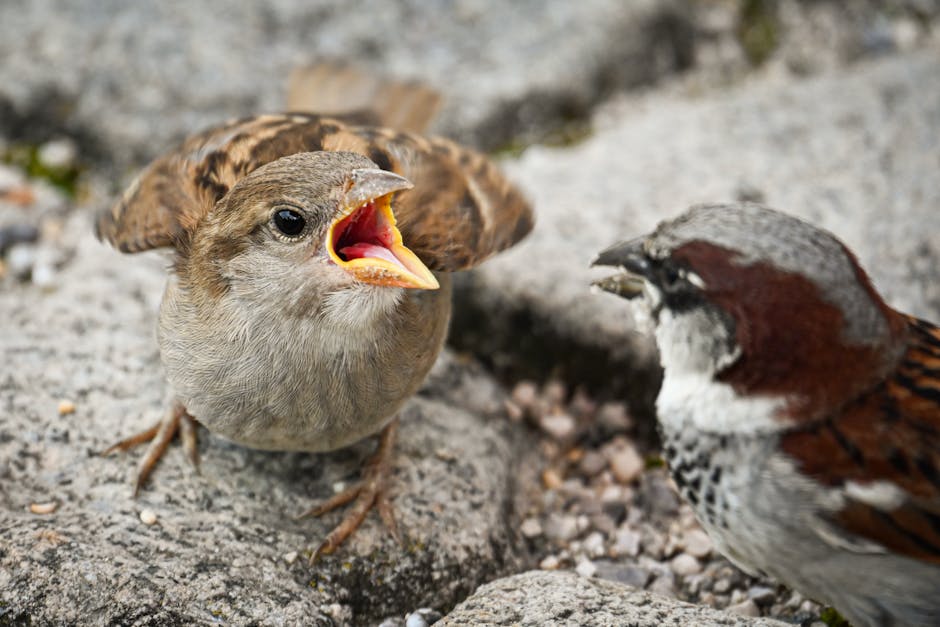
Birds chirp to talk to each other. This is their natural way to send messages. Chirping can mean many things like finding a friend or warning about danger.
Sometimes, birds chirp because they want attention. They may feel lonely or want food. This makes them call out more often.
Many sounds from outside can make birds chirp. Noises like cars, people, or other animals can triggertheir chirping. Changes in weather or light also play a role.

Credit: www.facebook.com
Creating A Calm Environment
Place the bird’s cage in a quiet corner away from loud sounds. Avoid areas with constant movement or chatter. This helps the bird feel safe and calm.
Limit noises like TV, radio, or loud conversations near the cage. Background noise can make birds chirp more. Keep the environment peaceful.
- Choose a spot with natural light but no direct sunlight.
- Keep the cage away from doors and windows with street noise.
- Avoid placing the cage near kitchens or busy rooms.
Meeting Bird’s Needs
Birds need fresh food and clean waterevery day. Offer a variety of seeds, fruits, and vegetables. Change water daily to keep it fresh. This helps keep birds healthy and calm.
Exercise is very importantfor birds. Let them fly or move around safely. Birds that exercise less tend to chirp more. Interaction also helps. Spend time talking or playing gently with your bird. This reduces boredom and loud chirping.
Training Techniques To Reduce Chirping
Positive reinforcement helps teach birds to chirp less by rewarding quiet behavior. Consistent training sessions and gentle distractions can reduce constant noise. Offering toys and attention keeps birds calm and less likely to chirp excessively.
Positive Reinforcement
Reward good behavior with treats. Birds love small pieces of fruit. Use treats to encourage quiet moments. Praise your bird when it’s calm. Avoid yelling or loud scolding. Speak softly and gently. Birds respond well to positive tones. Consistent rewards can change habits.
Ignoring Excessive Noise
Ignore loud chirping to discourage it. Birds may chirp to get attention. Don’t react to loud noises. Silence encourages quiet behavior. Avoid eye contact during chirping. Provide toys for distraction. Toys can keep birds busy. A busy bird chirps less.
When To Seek Professional Help
Persistent chirping can signal behavioral issues. Birds might chirp to get attention or from boredom. Changing their environment or daily routine can help. Provide toys and interaction to reduce excess noise. Training with patience is key for better habits.
Health concernscan also cause nonstop chirping. Birds might be in pain or feel unwell. Look for signs like loss of appetite, fluffed feathers, or lethargy. Visiting an avian vet is important to rule out illness. Early treatment keeps your bird safe and calm.

Credit: www.tiktok.com

Credit: www.tiktok.com
Frequently Asked Questions
Why Does My Bird Keep Chirping Loudly?
Birds chirp to communicate, express needs, or show boredom. Understanding these reasons helps manage noise better.
How Can I Quiet My Bird Without Stress?
Offer toys, regular attention, and a quiet environment. This reduces the bird’s need to chirp loudly.
Does Changing The Bird’s Diet Affect Chirping?
Yes, a balanced diet can calm birds. Poor nutrition often makes them more vocal and restless.
Conclusion
Birds chirp to communicate, but constant noise can be tiring. Use patience and gentle methods to calm your bird. Provide toys, attention, and a quiet space to reduce noise. Avoid shouting or sudden moves; birds respond best to calm actions.
Remember, change takes time, so stay consistent and kind. Your bird will learn to chirp less with care and understanding. Keep trying, and enjoy a peaceful home with your feathered friend.