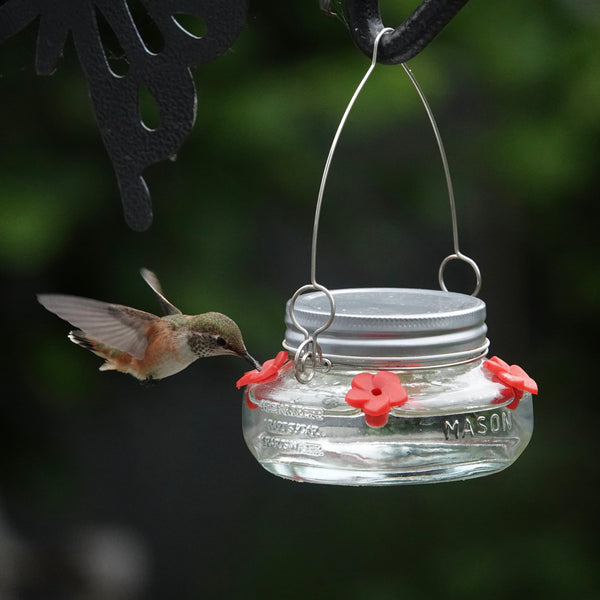
If you want to attract beautiful hummingbirds right to your backyard, setting up a hummingbird feeder is the perfect start. But how do you make sure your feeder is just right to keep these tiny birds coming back?
You might be wondering what kind of nectar to use, where to hang the feeder, or how to keep it clean. Don’t worry—this guide will walk you through every simple step so you can enjoy watching hummingbirds flutter and feed up close.
Keep reading, and you’ll soon become a hummingbird magnet!

Credit: homeiswheretheboatis.net
Choosing The Right Feeder
Choose a feeder that is easy to cleanand refill. Look for one with red parts, since hummingbirds are drawn to red colors. Avoid feeders with yellow, which can attract bees and wasps.
A feeder with multiple feeding ports allows more hummingbirds to feed at once. Also, select a feeder with a built-in ant moatto keep ants away. A clear or translucent feeder helps you see when the nectar is low.
Plastic feeders are lightweight and affordable. Glass feeders are heavier but easier to clean and last longer. Make sure the feeder is sturdy and can hang securely from a tree or hook.
Selecting The Best Location
Choose a spot with partial sunlight. Hummingbirds like some shade during hot afternoons. Avoid placing the feeder near busy areas or loud noises. A calm place helps birds feel safe. The feeder should be easy to reachfor refilling and cleaning. Keep it away from plants that attract bees and ants. Hanging it near flowers can attract more hummingbirds. Make sure the location has a clear viewso you can watch the birds. Avoid spots where strong wind can shake the feeder. A quiet, sheltered area works best for hummingbirds to feed and rest.
Making The Nectar
To make nectar, use four parts waterand one part sugar. Boil the water until bubbles appear. Add sugar and stir until dissolved. Let the mixture cool. Never add honey or red dye. Honey can harm birds. Red dye is not needed. The feeder’s red color attracts them.
Store extra nectar in the fridge. Use within a week. Clean the feeder regularly. Dirty feeders can make birds sick. Always use fresh nectar. This keeps birds healthy and happy.

Credit: americanspcc.org
Filling And Hanging The Feeder
Fill the feeder with a simple sugar water mix. Use 1 part white sugarto 4 parts water. Boil the water first to remove impurities. Let it cool before pouring into the feeder. Avoid using honey, artificial sweeteners, or red dye.
Hang the feeder in a shady spotto keep nectar fresh longer. Choose a location near flowers or plants where hummingbirds like to visit. Use a hook or sturdy branchto hang the feeder securely. Make sure it is easy to see and reach.
- Keep the feeder clean to avoid mold and bacteria.
- Refill the feeder every 3-5 days, or sooner in hot weather.
- Place the feeder at least 3 feet away from windows to prevent collisions.
Cleaning And Maintenance Tips
Clean the feeder every three to four days. Use hot water and a mild soap. Avoid strong chemicals that can harm birds.
Rinse well to remove soap residue. Dry the feeder before refilling with fresh nectar.
- Check for mold or dirt regularly.
- Use a small brush to clean narrow parts.
- Keep the feeder in the shade to slow nectar spoiling.
- Empty old nectar before adding new.

Credit: www.facebook.com
Frequently Asked Questions
How Do I Hang A Hummingbird Feeder Properly?
Hang the feeder in a shady spot, away from strong wind and direct sunlight. Use a sturdy hook.
What Sugar Solution Works Best For Hummingbird Feeders?
Mix 1 part white sugar with 4 parts water. Boil, cool, and fill the feeder.
How Often Should I Clean My Hummingbird Feeder?
Clean the feeder every 3 to 5 days with hot water and a brush. Prevent mold growth.
Conclusion
Setting up a hummingbird feeder is simple and fun. Clean the feeder often to keep birds healthy. Use fresh nectar made with just sugar and water. Place the feeder in a quiet spot where birds feel safe. Watch hummingbirds enjoy their new feeding place.
This small effort brings nature closer to your home. Enjoy the beauty and energy of these tiny birds every day.