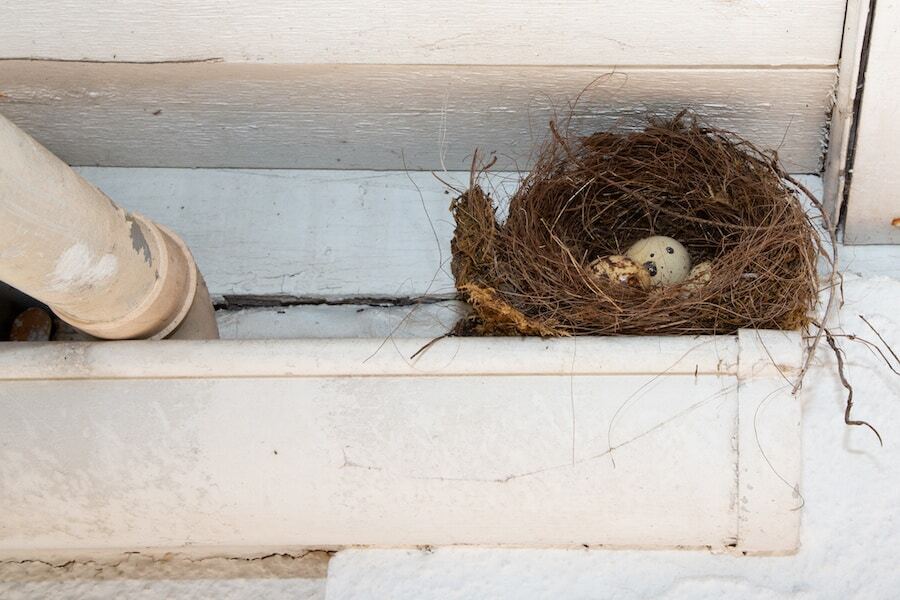
Are birds starting to build nests around your home or garden? While watching birds can be enjoyable, their nests can sometimes cause damage or create unwanted messes.
You might be wondering how to stop them before the nests take hold. You’ll discover simple and effective ways to discourage birds from nesting where you don’t want them. Keep reading, and you’ll learn easy steps that protect your space without harming the birds.
Your home can stay clean and peaceful—let’s find out how.

Credit: www.familyhandyman.com
Reasons To Prevent Nesting
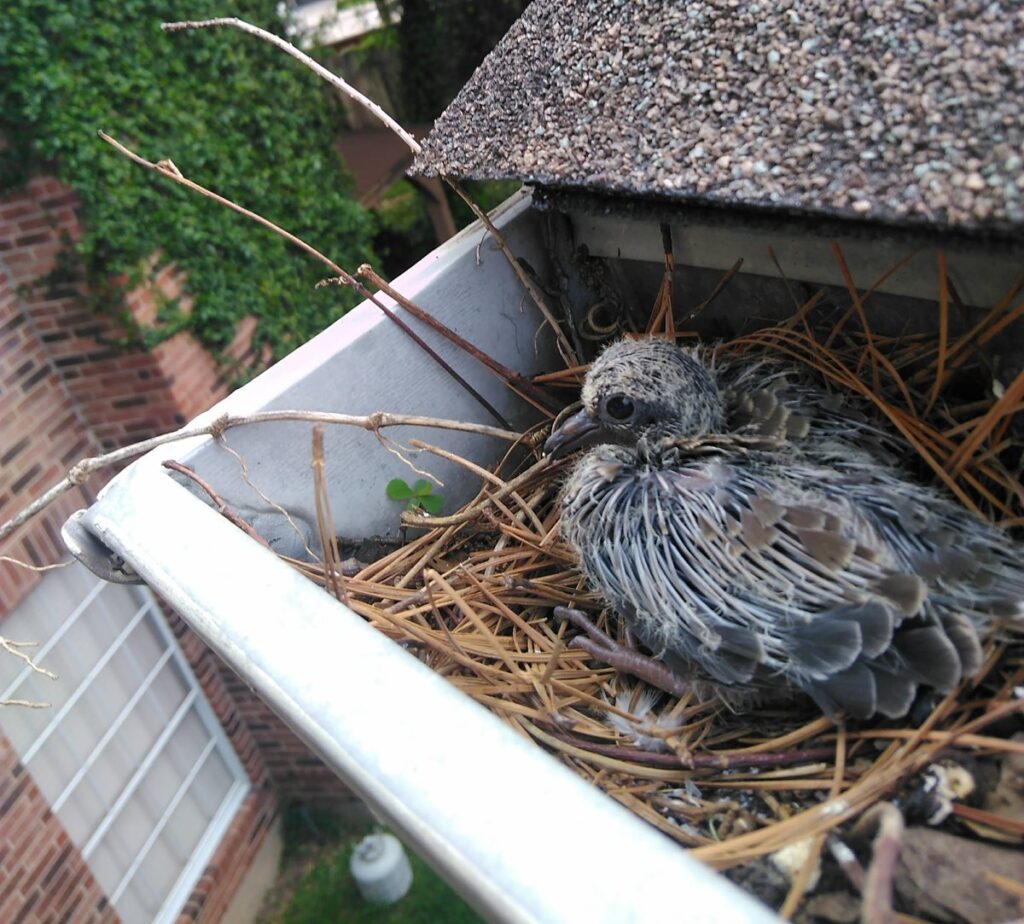
Bird nestscan cause serious damage to property. Birds often use twigs and mud, which can clog gutters and vents. Their droppings are acidic and can ruin paint and wood. Over time, nests in roofs or chimneys may lead to structural problems.
Health riskscome from bird droppings and feathers. These can carry diseases like histoplasmosis and salmonella. Parasites such as mites and ticks may also spread to people and pets.
Noise and messare common issues. Birds can be loud, especially early in the morning. Their droppings create stains and slippery surfaces. Nesting materials may fall and clutter outdoor spaces, making yards and patios unpleasant.
Identifying Common Nesting Birds
Common nesting birds include sparrows, robins, and pigeons. Recognizing their habits helps prevent nests from forming in unwanted places. Simple measures can discourage birds from settling near homes or gardens.
Sparrows And Pigeons
Sparrowsare small, brown birds often found near buildings. They like to build nests in small holes and ledges. Pigeonsare larger and prefer flat surfaces like roofs or balconies. Both birds can make nests from twigs and paper.
Swallows And Martins
Swallowshave shiny blue or black feathers and build mud nests under eaves. Martinslook similar but prefer open areas near water. Their nests are often in birdhouses or under bridges.
Other Local Species
Other birds like robinsand finchesmay nest in bushes or trees close to homes. They use grass, leaves, and feathers to make soft nests. Knowing these birds helps in stopping unwanted nests.
Physical Barriers And Deterrents
Bird spikes are thin rods that stick up. They keep birds away. Birds can’t land where spikes are. Nets cover areas birds like. Nets stop birds from building nests. Both spikes and nets are safe for birds. They don’t hurt them.
Sloped surfaces make it hard for birds to nest. Birds like flat spots to build nests. Slopes make it tricky for them. Tilt surfaces around your home. This makes birds go somewhere else. Slopes are easy to create with basic tools.
Reflective objects scare birds. Shiny things flash in the sunlight. Birds don’t like bright flashes. Hang CDs or mirrors outside. This keeps birds away from your place. Reflective objects are cheap and easy to use.
Using Sound And Visual Repellents
Ultrasonic devices send high-frequency soundsthat birds cannot stand. These sounds are silent to humansbut disturb birds, making them leave the area. They are easy to install and cover a wide space.
Predator decoys look like natural enemies such as owls or hawks. Birds see these fake predatorsand feel unsafe. Moving the decoys around often keeps birds from getting used to them.
Motion-activated sprinklers spray water when birds come near. The sudden spray startles birdswithout harming them. This method is safe and effectiveto keep birds away from nesting spots.
Chemical And Natural Repellents
Safe repellent sprayshelp keep birds away without harm. These sprays use natural ingredients like peppermint oil or garlic. They create smells birds dislike. Spraying around nesting areas can stop birds from building nests.
Homemade solutionsare easy and cheap. Mix water with vinegar or chili powder. Spray this mixture near places where birds like to nest. Birds find the smell unpleasant and avoid the area.
Avoid harmful chemicalsthat can hurt birds and other animals. Many store-bought repellents have strong toxins. These can cause illness or death in birds. Choose gentle, eco-friendly options to protect wildlife and your garden.
Credit: www.crittercontrol.com
Maintaining The Area
Keeping the area clean stops birds from finding safe places to nest. Remove old nests and debris regularly. This makes the spot less inviting for birds.
Food left outside attracts birds and encourages nesting. Store pet food indoors and clean up spilled seeds. Avoid feeding birds near your home.
Trim trees and bushes close to buildings. This reduces hiding places and nesting spots. Shorter branches make it harder for birds to build nests.
Legal And Ethical Considerations
Many birds are protected by law.Disturbing their nests can be illegal. Check local rules before taking action.
Birds build nests mostly during spring and early summer. Avoid disturbing nests during these critical breeding times.Acting outside these periods is safer and more ethical.
- Use gentle methods like bird spikes or netting to block nesting spots.
- Remove materials that attract birds, like twigs or leaves.
- Install decoys or reflective objects to discourage birds.
- Never harm birds or destroy active nests.
Following these guidelines helps protect birds and keeps your property safe.

Credit: www.facebook.com
Frequently Asked Questions
How Can I Prevent Birds From Nesting On My Property?
Use physical barriers like netting or spikes on ledges and eaves. Clean areas regularly to remove nesting materials. Installing decoys or reflective objects can also deter birds effectively.
What Natural Methods Discourage Birds From Nesting?
Natural deterrents include planting thorny bushes near nesting spots. Use strong-smelling herbs like mint or lavender. Playing predator sounds or using fake predators can keep birds away without harm.
Are Bird Spikes Safe And Effective For Nest Prevention?
Yes, bird spikes are safe and humane. They prevent birds from landing and building nests. Spikes do not harm birds but make surfaces uncomfortable for nesting.
Can Bird Repellents Harm Other Animals Or Humans?
Most bird repellents are designed to be safe. Always choose non-toxic, eco-friendly products. Follow manufacturer instructions carefully to avoid any risks to pets or people.
Conclusion
Stopping birds from nesting is possible with simple steps. Keep your space clean and remove materials birds like for nests. Use safe bird deterrents that do not harm them. Check your property often for early signs of nests. Patience and consistency work best to keep birds away.
Protect your home while respecting nature’s balance. Small efforts can make a big difference in bird control. Stay calm and keep trying different methods. Your peaceful outdoor space is worth it.