Have you ever been startled by a bird suddenly hitting your window? Not only is it upsetting for you, but it can also seriously harm the bird.
If you want to protect your feathered visitors and keep your windows safe, you’re in the right place. You’ll discover simple and effective ways to stop birds from flying into your windows. These tips are easy to follow and can make a big difference—so keep reading to learn how you can create a bird-friendly space around your home.
Why Birds Collide With Windows
Birds often see reflectionsof trees or sky on glass. They think these are real places to fly. Clear windows look like open pathsto birds. This causes many crashes. Glass acts like a mirror or a clear door. Birds cannot tell the difference. Bright sunlight makes reflections worse. This problem happens more in homes near trees or gardens.
| Bird Species | Why They Collide |
|---|---|
| Robins | Attracted to reflected trees and shrubs |
| Finches | Fly fast and cannot see glass barriers |
| Warblers | Perceive windows as open sky |
| Sparrows | Chase reflections during mating season |

Credit: www.facebook.com
Signs Of Bird Collisions
Impact markson windows often look like smudges or dusty patches. These marks can be feather imprintsor blood spotsfrom bird collisions. Sometimes, you may see scratchesor crackson the glass. These signs show that a bird hit the window hard.
Birds may also leave feathersstuck to the glass. This is a clear sign of impact. Check windows near trees or bird feeders more carefully.
- Birds flying fasttoward windows and then suddenly stopping.
- Repeated attemptsto fly through the glass.
- Birds gatheringnear windows and acting confused.
- Sudden quietnessaround windows after a collision.
Birds often try to avoid windows but fail. Watching their behaviorhelps find problem spots.
Simple Window Treatments
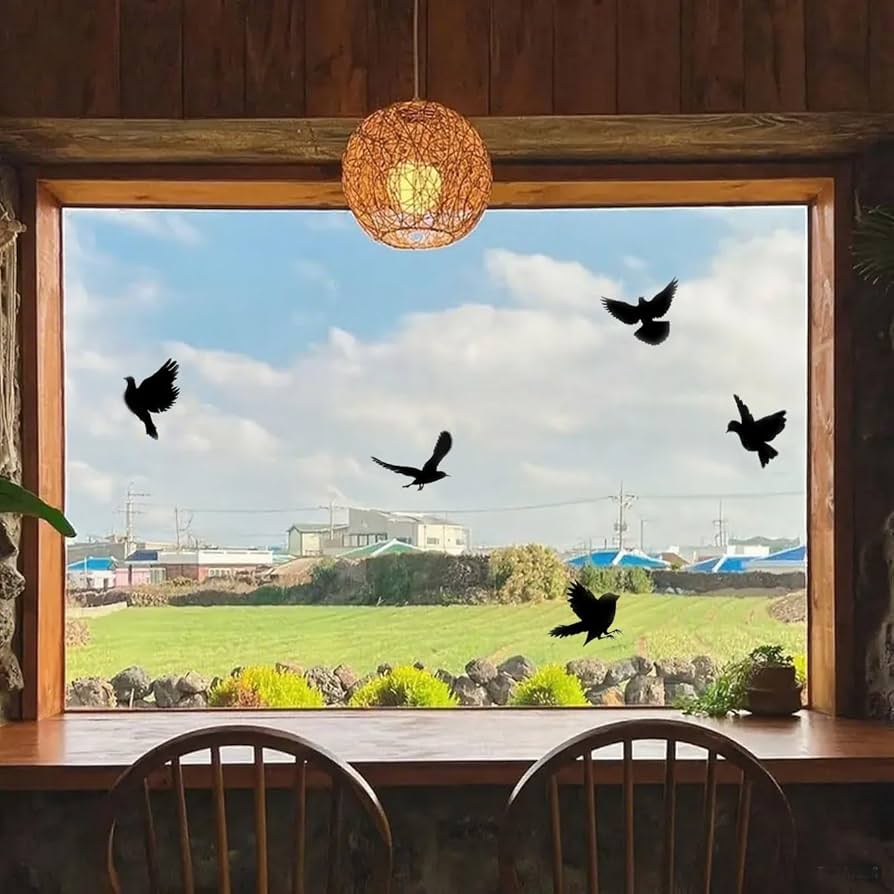
Decals and stickers help birds see windows clearly. Place shapes or patterns across glass surfaces. Use bright colors or simple designs. This breaks up reflections that confuse birds. Small, spaced-apart decals work best. Avoid large blank areas on windows.
Window films reduce reflections and make glass visible. These films come in frosted or patterned styles. They lower glare and show birds a solid barrier. Films are easy to install and remove without damage. Choose films that let light in but block reflections.
Screens and nets create a physical barrier outside windows. They stop birds from hitting glass directly. Nets are good for large windows or balconies. Screens also reduce window glare and reflection. Both options let air flow and keep insects out.
Advanced Deterrent Techniques
External shades and awningsact as physical barriers. They reduce window glare that confuses birds. These create shadows that birds avoid. Shades also lower reflections that cause collisions.
Ultrasonic bird repellentsuse high-frequency sounds. Birds hear these but humans do not. The sounds make birds uncomfortable near windows. These devices cover a limited area well.
Motion-activated devicesscare birds with sudden actions. Lights flash or water sprays when birds approach. This surprise helps keep birds away. Placement near windows is important for best effect.
Landscaping Adjustments
Plants and shrubs placed near windows can break reflections that confuse birds. Adjusting landscaping creates natural barriers, guiding birds safely away from glass. Using trees or bushes helps reduce collisions and keeps birds safe.
Positioning Plants Strategically
Plants can help birds see windows better. Place them near windows. Tall trees and shrubs are good choices. These plants should be close to the glass. Birds will notice them and slow down. It’s like a signal to be careful. Proper plant placement can prevent accidents.Reducing Attractive Reflections
Windows often reflect the sky or trees. These reflections can confuse birds. Use screens or nets on windows. They break up the reflection and make glass less shiny. Birds will see the difference. Another idea is to use non-reflective glass. It helps birds understand where the window is. `
Credit: www.instagram.com
Seasonal And Environmental Considerations
Bird migrationtimes vary by season, affecting window collisions. Many birds fly during spring and fall, increasing risks. Windows near trees or water attract more birds during these times.
Weather changesalso change bird behavior. Bright sunny days make windows reflect the sky, confusing birds. Rainy or windy days can make birds fly lower or seek shelter near buildings.
- Birds fly in large groups during migration seasons.
- Clear skies increase window reflections.
- Windy weather pushes birds toward buildings.
- Rain makes birds rest near windows.
Monitoring And Maintenance
Regularly check windows for cracks, dirt, or damage. Clean windows help keep deterrents visible. Damaged screens or seals reduce their effectiveness. Look for signs of bird strikes or nests near windows. Early detection prevents bigger problems.
Update deterrent methods often to keep birds away. Replace worn-out stickers, tapes, or decals. Try different patterns or colors for better results. Use a mix of visual and physical barriers for success. Change placement occasionally to avoid bird habits.

Credit: www.youtube.com
Community And Legal Aspects
Local wildlife protection lawsoften limit actions to deter birds safely. Many species are protected, so harming or trapping birds is illegal. Check local rules before installing bird deterrents. Using harmless methods like decals or screens is usually allowed.
Engaging neighbors and communitieshelps reduce bird collisions. Share ideas and solutions with others. When neighbors act together, birds learn to avoid the area more easily. Community efforts can include:
- Installing window decals on many houses
- Organizing local meetings about bird safety
- Creating neighborhood watch programs for wildlife
Working as a group makes bird protection stronger and more effective.
Frequently Asked Questions
Why Do Birds Fly Into Windows Frequently?
Birds see reflections and think they are open space. Glass confuses their flight path.
What Are Effective Ways To Stop Birds Hitting Windows?
Use decals, screens, or external shades. These break reflections and alert birds to obstacles.
Can Window Treatments Protect Birds Without Blocking Light?
Yes, translucent films and patterned decals reduce collisions while letting light through.
Conclusion
Preventing birds from flying into windows protects both birds and your home. Simple steps like adding decals or screens can make a big difference. Clear glass can confuse birds, so break reflections with patterns or shades. Keep your windows safe without much effort or cost.
Small changes help avoid bird injuries and damage to windows. Start with easy fixes and see how birds respond. Enjoy a safer space for wildlife and peace of mind for you.