
Are you ready to welcome beautiful bluebirds right to your backyard? Building a bluebird house is easier than you might think, and it can bring vibrant life and sweet songs to your outdoor space.
Imagine watching these charming birds raise their young while you enjoy nature up close. In this guide, you’ll discover simple steps to create the perfect home for bluebirds, helping you make a positive impact on their survival. Keep reading, and you’ll learn how to build a safe, inviting bluebird house that will keep these delightful visitors coming back year after year.

Credit: www.harrowsmithmag.com
Choosing The Right Materials
Choosing the right materials for a bluebird house is very important. Use natural wood, like cedar or pine. These woods last longer and keep birds safe. Avoid treated wood because chemicals can harm birds.
The wood should be about 3/4 inch thick. This thickness keeps the house warm in winter and cool in summer. Thin wood can let heat or cold inside.
- Use untreated woodfor safety.
- Keep the wood smoothto protect birds.
- Avoid metal or plasticfor walls or floors.
- Use screws, not nails, for strong assembly.
Good materials help bluebirds feel safe and cozy in their new home.
Designing The Bluebird House
Choose wooden materialslike cedar or pine to build the house. These woods are safe and last long outdoors. The house should be small and cozy. A floor space of about 5×5 inches works well for bluebirds.
Make the entrance holeabout 1.5 inches wide. This size keeps out bigger birds and predators. Place the hole 6 to 12 inches above the floor inside.
- Ventilation holesnear the top keep air fresh inside.
- Drain holes at the bottom let water escape.
- A sloped roof helps rainwater run off quickly.
Paint the house with non-toxic, light-colored paint. This protects the wood and keeps the house cool. Avoid dark colors that absorb heat.
Building Steps And Tips
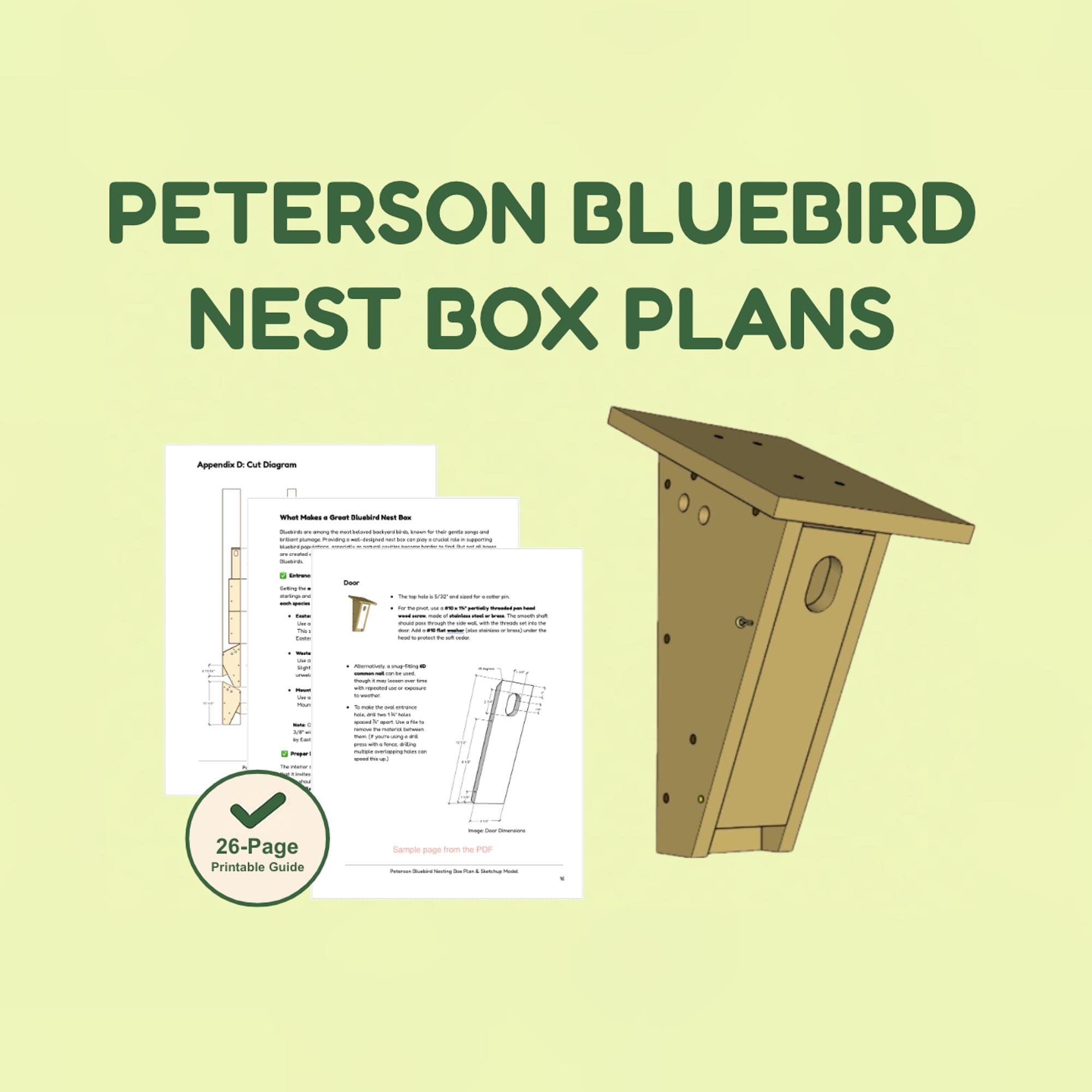
Use untreated wood like cedar or pine for a safe home. Avoid pressure-treated wood as it can harm birds. Cut the wood pieces to size: a 12-inch by 12-inch floor and 9-inch high walls work well. Drill a 1.5-inch entrance hole to keep larger birds out. Add ventilation holes near the top to keep air flowing. Make sure to include drainage holes in the floor to keep the nest dry.
Use screws, not nails, for better strength. Leave the roof slightly sloped to let rainwater run off. Attach the roof so it can open for easy cleaning after nesting season. Mount the house on a pole or a tree at least 5 feet high. Place it away from busy areas to keep birds safe. Paint or stain the outside with light colors for sun protection, but avoid painting inside the box.
Credit: www.etsy.com
Proper Placement And Mounting
Bluebird houses need the right spot. Choose an open area with few trees. Keep houses away from busy places. Mount houses at least 5 feet high. Use a sturdy pole or post. Ensure the entrance faces away from wind. This helps birds stay warm and safe. Avoid placing near feeders or bird baths. Predators might visit those places. Check the house regularly for any damage. Make sure it’s secure and clean. Paint houses in light colors. Dark colors can make them too hot. Vent holes are important. They keep air moving inside. Remember, the right spot makes birds feel at home.
Maintenance And Monitoring
Regular checks keep bluebird houses safe and cozy. Look for damagelike cracks or loose parts. Fix these quickly to prevent harm to birds.
Clean the house after each nesting season. Remove old nests and debris. This stops parasitesand keeps the home fresh.
Watch for predatorslike snakes or squirrels. Use predator guards if needed. This protects baby bluebirds.
Note the bird activity. See if bluebirds return and use the house. This helps know if the house works well.
- Check houses every 2-3 weeks during nesting
- Clean with mild soap and water only
- Keep houses away from strong winds and heavy rain
- Replace old or broken houses when needed

Credit: www.facebook.com
Frequently Asked Questions
What Materials Are Best For Building Bluebird Houses?
Use untreated wood like cedar or pine. Avoid metal or plastic to keep birds safe and comfortable.
How High Should A Bluebird House Be Mounted?
Mount the house 4 to 6 feet above the ground on a pole or tree to protect from predators.
When Is The Best Time To Put Up Bluebird Houses?
Place houses early spring before bluebirds start nesting to give them time to find and use it.
Conclusion
Building bluebird houses helps protect these lovely birds. You create a safe place for them to live. Use simple materials and follow easy steps. Place the house where bluebirds can find it. Check it often to keep it clean and safe.
Watching bluebirds raise their young brings joy. Small efforts make a big difference for nature. Start building your bluebird house today and enjoy nature close by. Helping birds feels good and teaches care for wildlife. Keep your bluebird house ready for the next season.