Do you want to attract lively wrens to your garden? Building a wren birdhouse is a simple and rewarding project you can do yourself.
Imagine watching these tiny, cheerful birds nest and sing right outside your window. In this guide, you’ll learn easy steps to create a safe and cozy home that wrens will love. By the end, you’ll have everything you need to welcome these charming visitors and enjoy nature up close.
Let’s get started!

Credit: www.amazon.com
Choosing The Right Materials
Choosing the right woodis key for a wren birdhouse. Softwoods like cedar, pine, and redwoodwork best. They are easy to cut and last long outside. Avoid treated wood; chemicals can harm birds. Wood should be smoothto keep birds safe from splinters but not painted inside.
Basic tools needed include a sawto cut wood, a drillfor holes, and screwdriverto join parts. Sandpaper helps smooth rough edges. A measuring tape and pencil are helpful to mark pieces before cutting.
Wear safety gear like glovesto protect hands and safety gogglesto shield eyes. Dust masks stop you from breathing sawdust. These keep building safe and comfortable.
Designing The Birdhouse
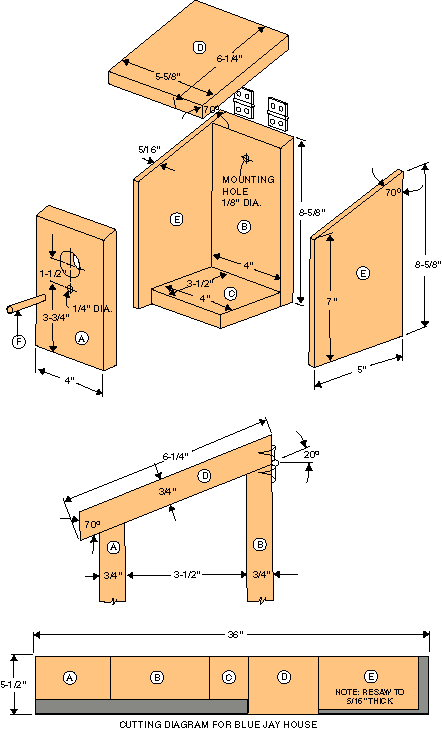
The ideal dimensionsfor a wren birdhouse are usually small. The floor should be about 4×4 inches. Height around 8 inchesgives enough room inside. This size keeps the birds safe and cozy.
The entrance hole sizeis very important. It should be about 1 inch in diameter. This size lets wrens in but keeps bigger birds out. A proper hole size helps protect the baby birds.
Good ventilation and drainagekeep the birdhouse dry. Small holes near the top allow air to flow. Holes in the floor let water drain out after rain. This stops mold and keeps birds healthy.
Cutting And Preparing Pieces
Start by measuring and marking wood pieces accurately for the birdhouse. Use a saw to cut each piece carefully. Smooth edges to ensure safety and fit.
Measuring And Marking
Use a ruler for accurate measurements. Mark each line clearly with a pencil. Double-check each measurement before cutting. This helps avoid mistakes. Keep your lines straight and easy to see. Use a carpenter’s square for perfect corners. This ensures your pieces fit together well.
Cutting Techniques
Use a saw for clean cuts. A jigsaw works well for curved edges. Hold the wood firmly. This prevents slipping and mistakes. Cut slowly and steadily. Rushing can cause jagged edges. Wear safety goggles to protect your eyes. Always follow safety rules when cutting.
Sanding Edges
Smooth the edges using sandpaper. Start with rough grit to remove big splinters. Finish with fine grit for a smooth surface. Sanding makes the wood safe to touch. It also helps pieces fit better together. Check each edge carefully. Sand until they feel smooth.

Credit: www.amazon.com
Assembling The Birdhouse
Start by fitting the walls around the floor piece. Ensure each wall meets tightly at the edges. This creates a strong base for the birdhouse.
Next, place the roof on top. Make sure it covers the walls fully to protect from rain.
Use nails or screws to hold all parts firmly together. Nails are quick to use but screws provide a stronger hold. Secure each joint carefully to keep the birdhouse sturdy and safe for wrens.
Finishing Touches
Use non-toxic paintto protect the wood. Choose light colorsto keep the birdhouse cool. Apply two thin coatsfor best results. After painting, seal the birdhouse with a waterproof, safe sealant. This helps protect it from rain and sun.
- Attach a small perch below the entrance hole.
- Use a wooden dowelabout 1/4 inch thick.
- Make sure the perch is secure but not too long.
- Too long can help predators reach inside.
Mount the birdhouse on a tree trunkor a wooden pole. Place it 5 to 6 feetabove the ground. Avoid spots with too much sun or strong wind. Use nails or screws to keep it steady. Check the mount often to keep it safe.

Credit: www.bluebirdlanding.com
Placing The Birdhouse Outdoors
Place the birdhouse at a height of about 5 to 10 feet from the ground. This keeps wrens safe from most predators. Face the entrance away from strong winds and direct sunlight. East or southeast directions work well. Avoid spots near busy roads or areas with heavy foot traffic. Trees or shrubs nearby offer shelter and make wrens feel secure.
Clean the birdhouse once a year, preferably in late fall. Remove old nesting materials to prevent parasites. Use mild soap and water for washing, then let it dry completely. Check for any damage or loose parts. Repair them to keep the house safe and sturdy.
Frequently Asked Questions
What Materials Do I Need To Build A Wren Birdhouse?
Use untreated wood, nails, a saw, drill, and sandpaper for a safe and sturdy birdhouse.
How Big Should A Wren Birdhouse Be?
A wren birdhouse should be about 8 inches tall, 5 inches wide, and 5 inches deep.
Where Is The Best Place To Hang A Wren Birdhouse?
Place it 5-10 feet above ground, in a quiet, shady spot near shrubs or trees.
Conclusion
Building a wren birdhouse brings nature closer to home. It offers safe shelter for these small birds. Simple tools and wood can create a cozy space. Watching wrens visit feels rewarding and fun. This project suits beginners and bird lovers alike.
Enjoy the sounds and sights of happy birds. Start building today and help local wildlife thrive. A small effort makes a big difference outdoors. Keep the birdhouse clean for future visitors. Nature will thank you with its lively charm.