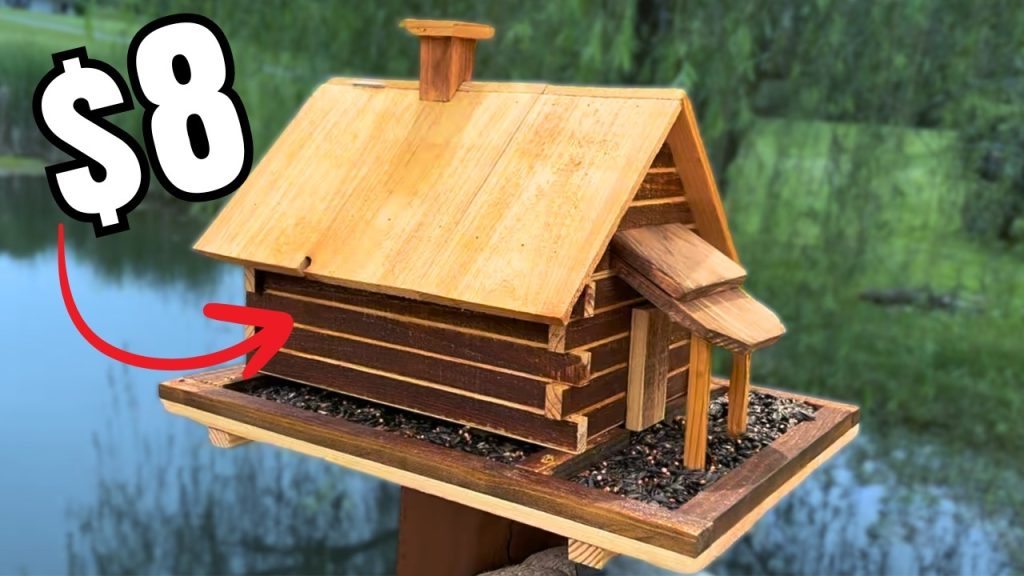
Do you want to attract beautiful birds right to your backyard? Building a wooden bird feeder is easier than you think, and it brings endless joy watching feathered friends visit day after day.
Imagine creating a simple, sturdy feeder with your own hands—no special skills needed. In this guide, you’ll discover step-by-step how to make a wooden bird feeder that lasts and invites nature closer to you. Keep reading, and you’ll soon have a cozy spot that birds love and you’ll be proud of.

Credit: www.youtube.com
Choosing The Right Wood
Choosing the right woodis key for a durable bird feeder. Softwoods like pine are easy to work with but may not last long outdoors. Hardwoods such as cedar and redwood resist weather and insects, making them excellent choices. Both types are lightweight, which helps when hanging the feeder.
Avoid treated wood.Chemicals in treated wood can harm birds. Use natural, untreated wood to keep birds safe. Sand the wood smooth to prevent splinters and make it safe for birds to perch.
| Wood Type | Benefits | Drawbacks |
|---|---|---|
| Cedar | Weather-resistant, insect-resistant | More expensive than pine |
| Redwood | Durable, natural oils protect wood | Can be pricey |
| Pine | Easy to work with, affordable | Less durable outdoors |

Credit: www.youtube.com
Gathering Materials And Tools
Gathering essential toolsand necessary materialsmakes building a wooden bird feeder easier. You will need a hammerfor nails and a sawto cut wood pieces. A measuring tapehelps to get the right size. Sandpaper smooths rough edges.
- Hammer
- Saw
- Measuring tape
- Screwdriver
- Sandpaper
- Drill(optional)
| Material | Description |
|---|---|
| Wood | Choose weather-resistant wood like cedar or pine. |
| Nails or Screws | Use to hold the pieces together firmly. |
| Wood Glue | Adds extra strength to joints. |
| Paint or Sealant | Protects wood from rain and sun. |
Designing Your Bird Feeder
Choose a simple shape like a box or a tray for easy building. Keep the design open so birds can land and eat comfortably. Use lightweight wood like pine for easy cutting and handling. Avoid sharp edges to protect birds.
Plan dimensions carefully. A good size is about 8 inches wide, 6 inches tall, and 6 inches deep. This fits many birds and holds enough food. Make sure the roof extends beyond the base to keep food dry.
- Base: 8″ x 6″
- Height: 6″
- Roof: 10″ x 8″ (to cover base)
Simple designs help beginners build faster and enjoy feeding birds soon. Focus on safety and comfort for the birds.

Credit: www.youtube.com
Cutting The Wood Pieces
Use a rulerfor precise measurements. Double check measurements twice. Mark lines with a pencil. This helps in cutting straight. Accuracy is very important.
- Wear glovesto protect hands.
- Use safety gogglesfor eye protection.
- Ensure the sawis sharp.
- Keep fingers away from the blade.
- Cut slowly to avoid mistakes.
Assembling The Feeder
Using nails and gluetogether makes the bird feeder strong. First, apply glue on the edges of the wood pieces. Next, press them tightly to hold. While the glue dries, use nails to join the pieces firmly.
Make sure nails go in straight and are not too long. This stops the wood from splitting. Use a hammer gently to avoid damage. Glue keeps the wood from moving, and nails hold it in place.
- Apply wood glue evenly on joining edges
- Press pieces together firmly
- Use nails to secure the pieces
- Hammer nails gently and straight
- Wipe off extra glue before it dries
Adding Finishing Touches
Smooth the edges and apply a weatherproof seal to protect the wood. Paint or stain adds color and keeps the feeder lasting longer. Small details make your bird feeder both sturdy and attractive.
Sanding Surfaces
Use fine sandpaper to smooth all wooden surfaces. This helps remove rough edges and splinters. Sanding makes the bird feeder safer for birds and easier to paint. Move the sandpaper in small circles for even smoothing. Wipe away dust with a clean cloth before painting.
Applying Non-toxic Paint Or Sealant
Choose a non-toxic paintor sealant safe for birds. This protects the wood from weather and moisture. Apply thin, even coats using a brush. Let each coat dry fully before applying the next. Avoid strong smells or harmful chemicals to keep birds safe.
Mounting And Placement
Choose a quiet and safe spotfor the bird feeder. Place it where birds can easily see food and feel safe from predators. Avoid busy areas or places with strong wind.
Mount the feeder near trees or bushes. This gives birds a place to rest and hide. Make sure the feeder is at least 5 feet off the ground to protect birds from cats.
- Hang from a tree branch:Use a sturdy rope or chain. Ensure it swings gently but stays stable.
- Attach to a pole:Use a metal or wooden pole. Secure the feeder firmly to avoid tipping.
- Mount on a wall or fence:Use brackets or hooks. Place it at a comfortable height for easy filling.
Filling And Maintaining
Select bird feedbased on the types of birds in your area. Black oil sunflower seeds attract many birds like finches and chickadees. Nyjer seeds are loved by small finches. Peanuts provide protein for woodpeckers and nuthatches. Avoid bread and salty snacks; they can harm birds. Use fresh, dry seeds to keep birds healthy.
Cleaning tipshelp keep birds safe. Clean the feeder every two weeks. Use warm water and mild soap. Rinse well to remove soap residue. Let it dry fully before refilling. Remove moldy or old seeds to prevent disease. Keep the area under the feeder clean to avoid pests.
Frequently Asked Questions
What Materials Do I Need To Build A Wooden Bird Feeder?
You need wood, nails, glue, sandpaper, paint, and basic tools like a saw and hammer.
How Do I Protect The Bird Feeder From Weather?
Use waterproof paint or sealant to protect the wood from rain and sun damage.
Where Is The Best Place To Hang A Wooden Bird Feeder?
Hang it in a quiet, shady spot away from predators and strong winds for safety.
Conclusion
Building a wooden bird feeder is simple and fun. It brings birds closer to your home. You can enjoy watching different birds every day. Using basic tools and wood makes this project easy. It also helps nature by feeding birds in your area.
Try adding seeds that birds like best. This small effort creates a happy place for birds. Start your bird feeder today and enjoy nature’s beauty.