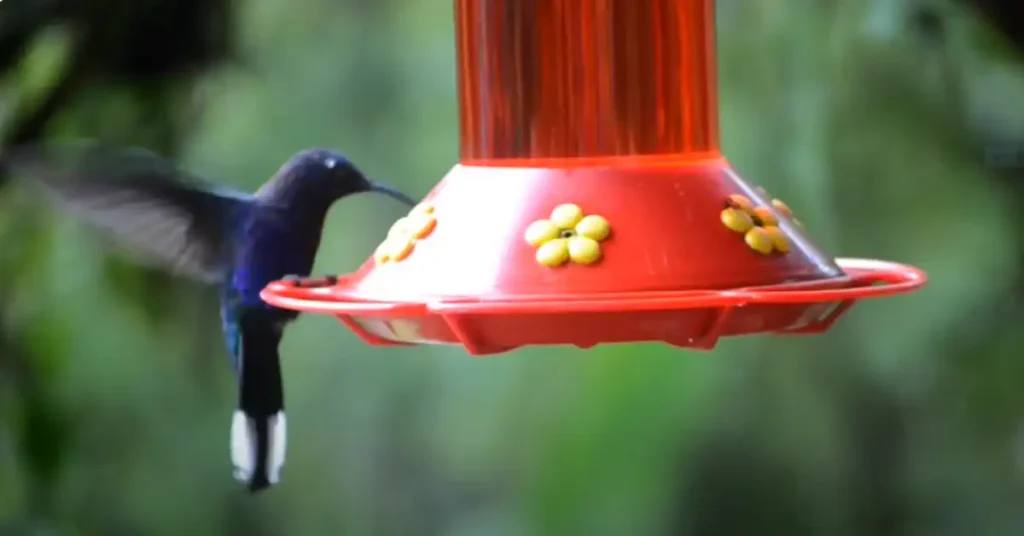
Have you ever stopped to wonder why hummingbirds zip through the air so quickly? Their tiny wings beat in a blur, making them one of nature’s fastest flyers.
But there’s more to their speed than just quick movements. Understanding why hummingbirds fly so fast can change the way you see these fascinating creatures—and even teach you something about energy, survival, and precision. Keep reading, and you’ll discover the surprising secrets behind their incredible speed.
Hummingbird Flight Mechanics
Hummingbirds have unique wing bonesthat allow rapid movement. Their wings rotate almost 180 degrees, letting them flap in a figure-eight pattern. This movement creates lifton both the upstroke and downstroke, unlike other birds.
Their flight musclesmake up nearly 30% of their body weight. These muscles use a lot of energy quickly, fueled by fast metabolism. Hummingbirds consume nectar, providing the sugar needed for their intense energy use. Their hearts beat over 1,200 times per minute during flight, pumping oxygen-rich blood to muscles.
| Wing Structure | Muscle Power | Energy Use |
|---|---|---|
| Rotates 180 degrees | 30% body weight | Consumes sugar-rich nectar |
| Figure-eight flapping | Fast, strong contractions | High metabolism rate |
| Lift on up and down | Heart beats 1200/min | Rapid oxygen delivery |
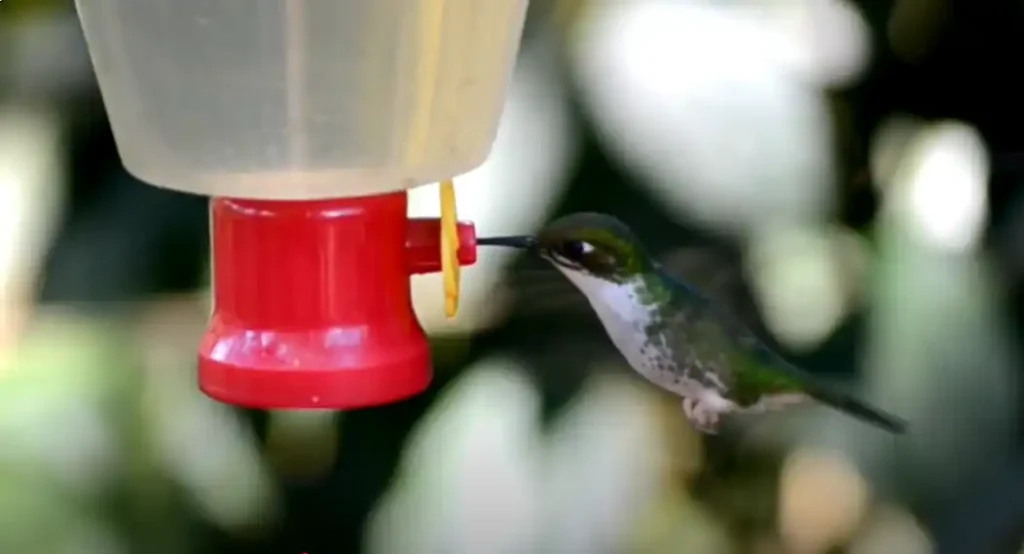
Credit: www.earthofbirds.com
Aerodynamics Behind Their Speed
Hummingbirds generate liftand thrustby flapping their wings in a unique figure-eight pattern. This motion creates strong air currents that push the bird upward and forward. Their wings move very fast, sometimes up to 80 beats per second, which helps them hover and dart quickly.
To minimize air resistance, hummingbirds have small, streamlined bodiesand smooth feathers. This shape helps air flow easily around them, reducing drag. Their ability to adjust wing angles also lowers resistance during flight, allowing them to move faster and use less energy.
Metabolic Adaptations
Hummingbirds have a very high metabolic rate. Their hearts beat over 1,200 times a minute. This fast heartbeat helps them get energy quickly. They breathe faster than most birds. Quick breathing gives more oxygen for energy. They burn food fast to stay active. This makes them fly quickly.
These birds need lots of energy. They drink nectar from flowers. Nectar is rich in sugar. Sugar gives them energy to fly. They also eat small insects. Insects give protein for strong muscles. Eating both keeps them fueled for fast flying.

Credit: www.welovehummingbirds.com
Behavioral Factors Influencing Speed
Hummingbirds fly fastto protect their space. They guard food and plants from other birds. Quick flights help them chase away intruders. This territorial defensekeeps their home safe and full of food.
Fast flying also helps them escape danger. If a predator comes close, they dart away quickly. Their speed makes it hard for enemies to catch them. This escape responseis key to their survival.
Comparisons With Other Birds
Hummingbirds are among the fastest small birds. They can fly at speeds up to 30 miles per hour. Most small birds fly slower, usually around 10 to 20 miles per hour. Larger birds like hawks can fly faster, but they cannot hover like hummingbirds.
Their wings beat incredibly fast, up to 80 times per second. This helps them move quickly in all directions. Unlike other birds, hummingbirds can hover, fly backward, and change direction mid-air.
| Bird Type | Top Speed (mph) | Special Flight Skills |
|---|---|---|
| Hummingbird | 30 | Hovering, backward flight |
| Sparrow | 20 | Quick flapping |
| Hawk | 60 | Soaring, diving |

Credit: www.facebook.com
Frequently Asked Questions
Why Do Hummingbirds Flap Their Wings So Rapidly?
Hummingbirds flap their wings fast to hover and move quickly between flowers for food.
How Fast Can Hummingbirds Actually Fly?
Hummingbirds can fly up to 30 miles per hour during normal flight and faster in dives.
What Helps Hummingbirds Fly Faster Than Other Birds?
Their strong chest muscles and unique wing joints allow rapid, precise wing movement for speed.
Conclusion
Hummingbirds fly fast because of their strong muscles and quick wing beats. Their small size and light body help them move with speed. Fast flying helps them escape predators and find food quickly. These tiny birds are amazing flyers. Their speed shows nature’s smart design.
Watching hummingbirds can inspire us to appreciate nature’s wonders. Their fast flight is a perfect example of how animals adapt to survive. Small but mighty. Truly fascinating.