Have you ever noticed a sudden flutter or quick flight when a bird spots you? That moment when a bird gets scared is more than just a simple reaction—it’s a fascinating glimpse into their world.
Understanding why birds get scared can change the way you see them and even help you connect with nature better. If you want to learn what triggers that fear and how you can approach birds without causing alarm, keep reading.
This article will open your eyes to the hidden signals and behaviors behind a bird’s fear.

Credit: www.shutterstock.com
Why Birds Get Scared
Birds get scared mostly because of danger around them. They have sharp sensesto spot threats fast. Common threats include predators like cats, hawks, and snakes. Loud noises and sudden movements also frighten them.
Birds use their instinctive fear responsesto stay safe. These include:
- Flying away quickly
- Freezing to avoid detection
- Making alarm calls to warn others
- Hiding in bushes or trees
These responses help birds survive in the wild. Their fear is a natural way to protect themselves.
Credit: www.vectorstock.com
Signs Of Fear In Birds
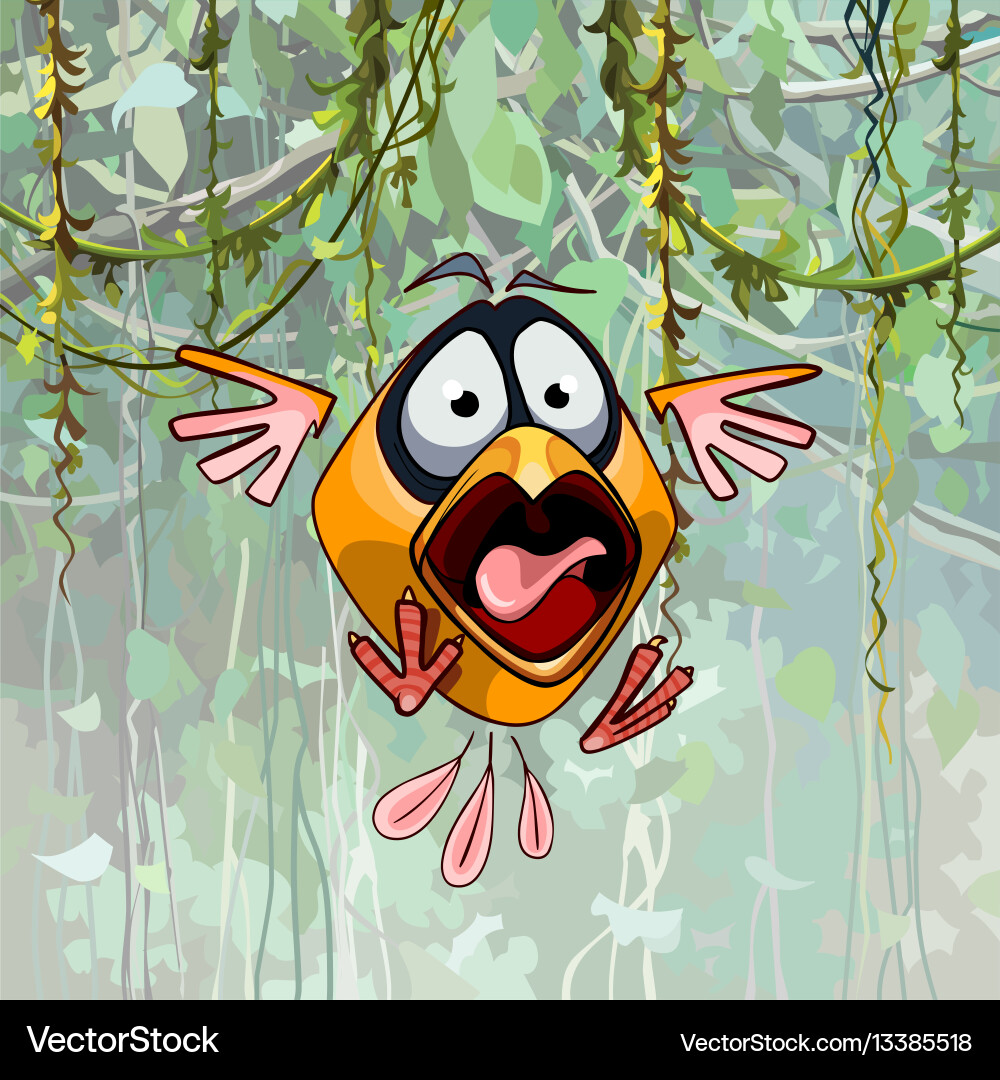
Birds show fearthrough clear physical signs. They may puff up their feathers to look bigger. Their eyes get wide, and they often freeze in place. Some birds shake or tremble. Rapid breathing or panting can happen too. Tail flicking or wing dropping also signals stress. These reactions help birds stay alert and ready to flee.
Fear changes how birds act. They may hide or move away quickly. Some birds stop singing or calling. Others become very quiet and still. Aggression can appear, like biting or pecking. Birds might flap wings or try to escape. Eating less or refusing food is common. These behaviors show discomfort and worry in birds.
Impact Of Fear On Bird Health
Birds feel scared due to loud noises or sudden movements. This fear causes stress. Stress affects their eating and sleeping. Birds may stop eating properly. They might also sleep less. Stress weakens their immune system. They get sick more often. Feeling scared makes birds tired. They have less energy to play. Stress can also affect their feathers. Their feathers might look dull and messy. It’s important to keep birds calm. A calm environment helps them stay healthy.
Long-term fear can harm bird health. Birds may lose weight over time. They might stop singing or chirping. Fearful birds often hide away. This limits their social interactions. Lack of interaction leads to loneliness. Loneliness can make birds sad. Long-term stress affects their lifespan. Birds might not live as long. Providing a safe space helps them feel secure. Secure birds are happier and healthier.
How To Calm A Scared Bird
Creating a safe spacehelps a scared bird feel calm. Keep the area quiet and free from loud noises. Avoid sudden movements that might frighten the bird. Soft lighting and a cozy cage add comfort. Place familiar toys and perches nearby to make the bird feel at home.
Gentle handling is key to building trust. Use slow, smooth movements when approaching the bird. Speak softly to avoid causing stress. Let the bird come to you instead of forcing contact. Support the bird’s body gently with both hands to avoid injury. Patience is important; trust grows over time.
Preventing Fear In Pet Birds
Building trust is key to helping pet birds feel safe. Speak softly and move slowly around them. Offer treats by hand to create positive feelings. Spend time near their cage without sudden actions. This helps birds learn you mean no harm.
Keeping a consistent routine helps birds feel secure. Feed, clean, and interact at the same times each day. Birds like knowing what to expect. Sudden changes can cause stress and fear.

Credit: www.vecteezy.com
Fear Responses In Wild Birds
Wild birds have many fear responsesto protect themselves. They quickly fly away or hide when they sense danger. Some birds freeze to avoid being seen. Others make loud calls to warn their group. These reactions help birds stay safe from predators.
Adaptations for survivalinclude sharp eyesight and fast flight. Birds have strong muscles to escape threats quickly. Their colors can blend with the environment. This helps them avoid being noticed by enemies.
Human activities often cause fear in birds. Loud noises, buildings, and cars scare them. Birds may stop coming to places where humans are active. This can affect their feeding and breeding habits.
Frequently Asked Questions
Why Do Birds Get Scared Easily?
Birds get scared to protect themselves from danger. They sense threats quickly and fly away.
How Can I Calm A Scared Bird?
Speak softly and move slowly. Avoid sudden moves to help the bird feel safe.
What Signs Show A Bird Is Scared?
A scared bird flaps wings fast, makes loud calls, or hides to avoid danger.
Conclusion
Birds get scared for many simple reasons. Loud noises or sudden moves startle them quickly. Understanding why birds feel fear helps us protect them better. Watching birds stay calm teaches us patience and care. Respect their space and avoid quick actions near them.
A gentle approach makes birds feel safe and peaceful. Nature shows us how fear helps animals survive. Keep watching birds calmly; it brings quiet moments and joy.