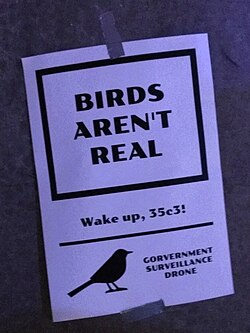
Have you ever stopped to wonder if everything you believe about birds is actually true? What if the birds you see every day aren’t what they seem?
The idea that “Bird Aren’t Real” might sound strange or even funny, but it taps into something deeper—how much do you really know about the world around you? This article will challenge what you think you know and make you question your own perceptions.
Stick with me, and by the end, you might see birds—and reality—in a whole new way. Are you ready to uncover the surprising truth?
Origins Of The Bird Aren’t Real Theory
The Bird Aren’t Real theorybegan as a strange idea. It says birds are not real animals.
This idea first came from early conspiracy rumorsonline. These rumors claimed birds are actually robots. They said these machines spy on people.
Key figureshelped spread this theory. One famous person is Peter McIndoe. He made jokes and stories about the theory.
- People shared the idea on social media.
- It became popular as a funny or strange belief.
- Some use it to talk about real issues like privacy.

Credit: www.ebay.ca
Core Claims Of The Theory
The theory claims that real birds are not alive. They are said to be robotic drones. These drones watch people all the time.
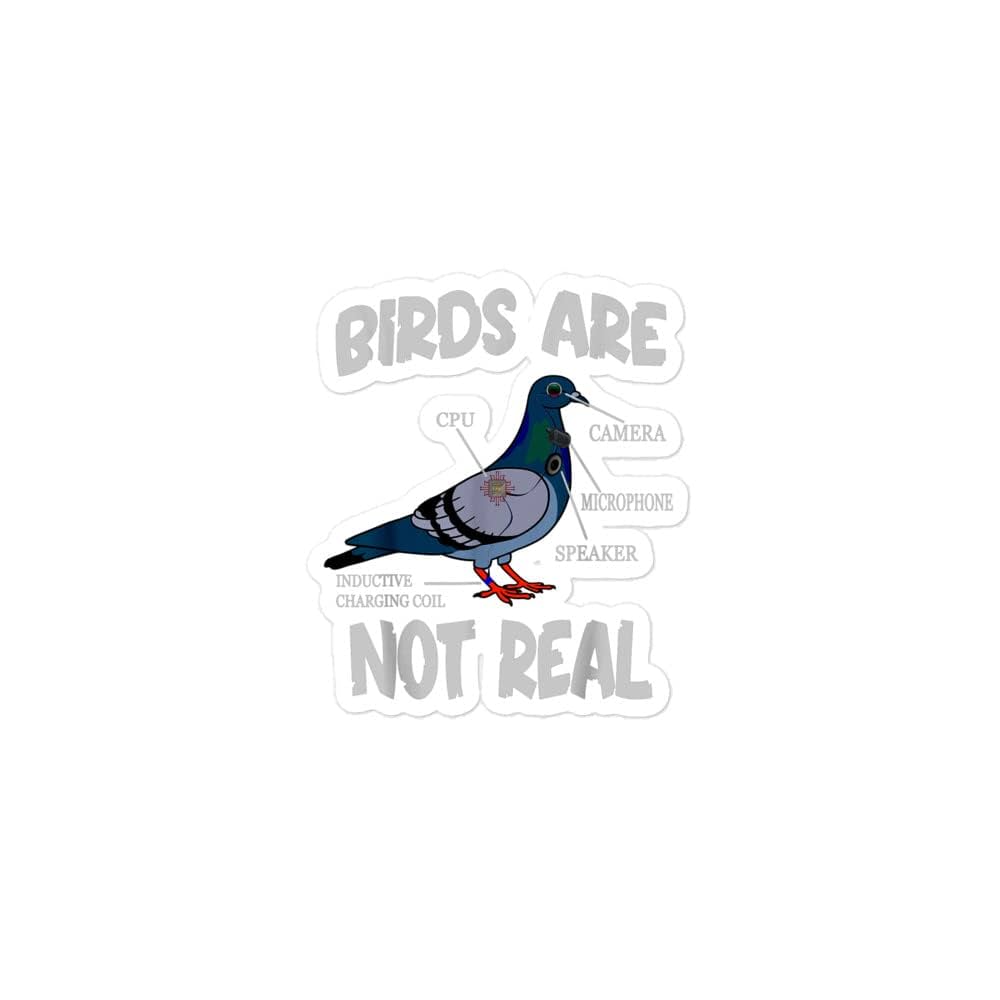
People believe these drones can record sounds and videos. They are made to spy on citizens. This idea says that birds do not fly naturally. Instead, they are machines controlled remotely.
According to the theory, the governmentbuilds and controls these bird drones. It uses them to track movementsand gather information secretly. The theory suggests a big plan to hide this truth from the public.
Some say this is why birds behave strangely sometimes. They think it is a sign of surveillance activity. The theory is popular on social media but lacks real proof.
Evidence Cited By Believers
Some believers point to unusual bird behavior as proof they are not real animals. They also mention strange government patterns linked to bird sightings. These ideas fuel the belief that birds might be robotic spies.
Alleged Bird Behavior Anomalies
Many believers claim birds act strange sometimes. Birds freeze in mid-air, which seems odd. They fly in perfect straight lines, never turning. People say birds perch on power lines to recharge. Some birds follow humans too closely, like watching us. These behaviors make people question if birds are real. Are they actually spying on us?
Technological Feasibility
Some people think technology can replace real birds. Drones today can look like birds. They fly using wings, not propellers. Cameras can fit inside a small bird body. Drones can even make bird sounds. This makes it hard to tell real from fake. Technology is advancing fast, which makes this idea seem possible.
Scientific And Logical Rebuttals
Birds are living animals with bones, muscles, and feathers. They lay eggs and have a heartbeat like other animals. Their bodies are made for flying, with lightweight bones and strong wings. Birds eat, breathe, and sleep naturally.
Scientific studies show birds have complex brain functions and behaviors. They build nests, sing, and care for their young. These facts prove birds are real, living creatures.
- Birds have lungsfor breathing air.
- They have feathersfor flying and warmth.
- Birds reproduce by laying eggs.
- Their heart beats like mammals and reptiles.
Claims that birds are government surveillance tools lack real proof. Birds do not carry cameras or spying devices. Their natural behaviors, like migration and feeding, are well known and studied.
Technology to replace all birds with machines would be very expensive and difficult. Birds’ movements and sounds are too complex to copy perfectly. Real birds show natural signs that machines cannot mimic.
Cultural Impact And Media Coverage
The “Birds Aren’t Real” movement has sparked curiosity across social media and news outlets. Its mix of humor and conspiracy theory draws wide attention and cultural discussion. Media coverage keeps the topic alive, fueling ongoing debates and interest.
Memes And Social Media Influence
The phrase “Birds Aren’t Real”became a popular joke online. Many people shared funny memesabout birds being government robots. This idea spread quickly on platforms like Twitter and Instagram. Memes made the topic easy to talk aboutand funny. Some users even created videos and pictures supporting the joke. It shows how social media can make strange ideas go viral. The humor helped people connect and laugh together.
Documentaries And Interviews
Short documentaries and interviews explored the Birds Aren’t Realidea. Filmmakers asked why some people believe in this strange story. Interviews with followers shared their funny stories and thoughts. These videos helped explain the joke to a wider audience. They also showed how people use humorto question real-world topics. Documentaries made the story more interestingand engagingfor viewers.
Credit: www.amazon.com
Psychology Behind Conspiracy Beliefs
Many believe “Birds Aren’t Real” as a way to explain complex feelings or mistrust. This idea shows how people seek simple answers for confusing events. It also highlights the power of group thinking and shared stories.
Cognitive Biases
Cognitive biasesshape how people see the world. They make people trust ideas that feel right, not always true. For example, the confirmation biasmakes someone pay more attention to facts that support their beliefs. The pattern recognition biascauses people to see connections even when there are none. These biases help explain why some believe in strange ideas like “Birds Aren’t Real.” The brain tries to make sense of confusing information by creating simple stories.
Community And Identity Factors
People often join groups that share their beliefs. This gives a sense of belongingand identity. Being part of a community that believes “Birds Aren’t Real” makes members feel special and understood. It also makes it hard to change their minds. Social bonds and trust keep the ideas strong, even if they seem odd to others.
Legal And Ethical Implications
Exploring the ‘Birds Aren’t Real’ movement raises legal and ethical concerns. It challenges freedom of expression and misinformation. This conspiracy theory blurs lines between satire and deceit, impacting public understanding and trust.
Misinformation Effects
False claimslike “Birds Aren’t Real” can cause real harm. People may believe wrong factsand spread them. This can confuse the publicand make it hard to trust true information. Fake newscan also affect important decisions about health and safety.
Privacy Concerns
The myth suggests birds spy on people, which raises worries about privacy. This idea can make people feel scaredor watched. It can also lead to mistrustin government or technology. Privacy is a serious issuethat needs respect and care.
Future Of The Bird Aren’t Real Movement
The Bird Aren’t Real movementmay grow in new ways soon. More people might hear about its strange claims. Some could join out of curiosity. Others may see it as a fun joke.
Social media plays a big role. It helps spread messages fast. Memes and videos keep the idea alive. Events and protests might happen more often. These can attract attention from news outlets.
| Potential Developments | Public Perception Trends |
|---|---|
|
|

Credit: music.apple.com
Frequently Asked Questions
What Does “birds Aren’t Real” Mean?
It is a satire claiming birds are government robots spying on people.
Why Do Some People Believe Birds Are Fake?
The idea is a joke to question trust in governments and technology.
How Did The “birds Aren’t Real” Movement Start?
It began as a social media meme around 2017 to spread humor and skepticism.
Conclusion
Birds might seem strange, but they are real creatures. People enjoy watching them every day. Some ideas about birds not being real are fun to think about. Still, nature shows us birds live and fly freely. Keep learning about birds and their world.
Curiosity makes the world more interesting. Birds add beauty and life to our skies. They are part of Earth’s amazing story.