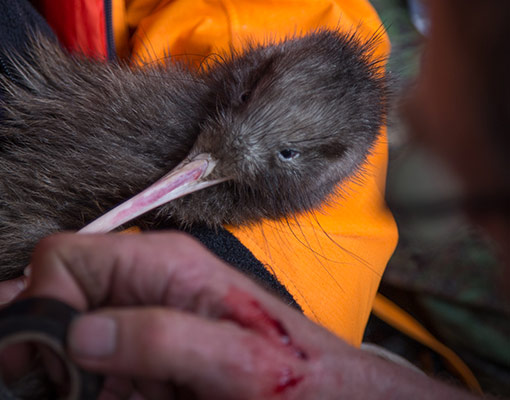
Imagine stumbling upon a creature so unique that it sparks curiosity instantly. The kiwi bird, with its small, flightless body and long beak, is a symbol of New Zealand, but how much do you really know about it?
More intriguingly, have you ever wondered if these nocturnal birds are friendly? As you dive into this article, you’ll uncover surprising insights and discover whether these elusive creatures might just be your next animal fascination. You’ll find out what makes the kiwi tick, and whether their interactions with humans can be as charming as their appearance.
Keep reading to satisfy your curiosity and learn something new about these extraordinary birds. Whether you’re an animal lover or just someone who enjoys intriguing stories, this exploration of kiwi birds will captivate you from start to finish.
Credit: www.thedodo.com
Kiwi Birds In The Wild
Kiwi birds, native to New Zealand, are generally shy and solitary creatures. They prefer to avoid humans and other animals. While not aggressive, their nocturnal habits make encounters rare and brief.
Kiwi Birds in the Wild Have you ever wondered what it’s like to encounter a kiwi bird in its natural habitat? These fascinating, flightless birds are a national symbol of New Zealand, and observing them in the wild offers a glimpse into a unique ecosystem. As you imagine wandering through the lush New Zealand forests, let’s explore what makes these birds so intriguing.Habitat And Distribution
Kiwi birds thrive in the dense forests and subtropical areas of New Zealand. They prefer environments with thick undergrowth, which provides both food and protection. Their distribution is limited to New Zealand, and they are found on both the North and South Islands. Some species, like the Great Spotted Kiwi, are more common in specific regions, such as the alpine areas of the South Island.Behavioral Patterns
Kiwi birds are nocturnal creatures, meaning they are most active at night. During the day, they hide in burrows or dense vegetation to avoid predators. Despite their shy nature, kiwi birds exhibit bold behavior when foraging for food. They use their long beaks to probe the ground for insects and worms, showing impressive persistence. Have you ever tried to spot a kiwi bird at night? It requires patience and a keen ear, as they communicate with distinctive calls. This experience can be both thrilling and challenging, as it demands your full attention in the dark, silent forest. So, are kiwi birds friendly? In the wild, they are not aggressive but prefer to keep their distance. Understanding their behavior and respecting their space allows for a peaceful coexistence. Would you be eager to meet a kiwi in its natural home?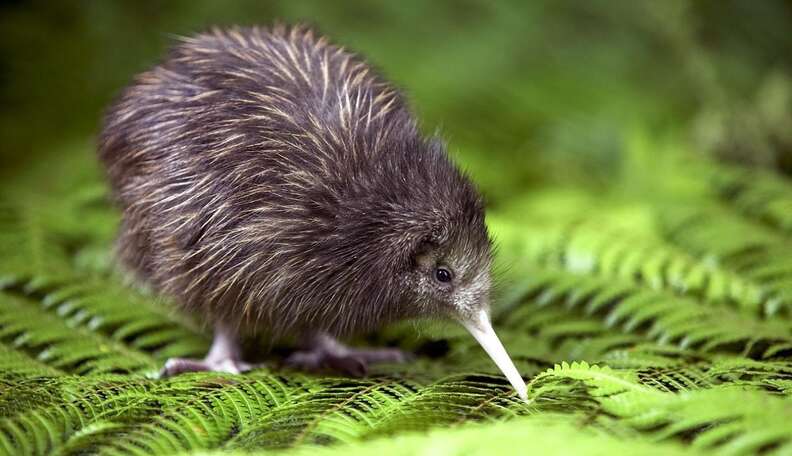
Credit: www.thedodo.com
Physical Characteristics
Kiwi birds are unique among flightless birds. Their appearance is distinct and intriguing. Despite their small size, they possess several fascinating features. These features help them survive in the wild.
Unique Features
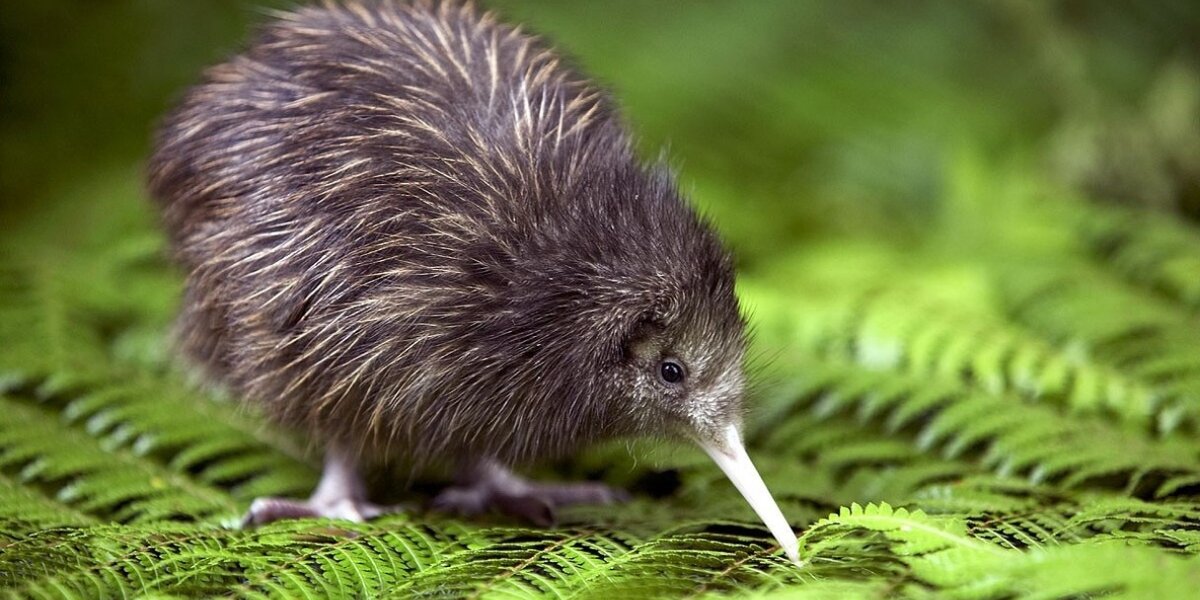
Kiwi birds have long, slender beaks. Their nostrils are at the tip. This helps them locate insects and worms underground. Their feathers are soft and hair-like. This gives them a shaggy look. Unlike other birds, kiwis have no tail.
Adaptations For Survival
These birds have powerful legs. They are excellent for running. Their legs make up a third of their body weight. This strength helps them fend off predators. Kiwis have a keen sense of smell. This is rare in birds. It helps them find food in the dark. Their brown color blends with the forest floor. This provides camouflage from predators.
Social Behavior
When you think about kiwi birds, you might picture them as solitary creatures wandering the New Zealand forests. However, their social behavior is more complex than you might expect. Kiwi birds are known for their unique interactions and territorial tendencies, which influence their friendliness. Are they just quirky or surprisingly social? Let’s dive into their social dynamics.
Interactions With Other Kiwis
Kiwi birds are not exactly the social butterflies of the bird world. They generally prefer their own company, but they do interact with other kiwis, especially during mating season. This is when you’ll notice them being more vocal and engaging in charming courtship rituals.
Imagine hearing their distinct calls at night—a serenade that can capture your attention and curiosity. It’s their way of communicating and establishing connections. These interactions are crucial for their survival and reproduction, but also showcase a side of kiwis that is more sociable than you might assume.
Territorial Nature
Kiwi birds have a strong territorial instinct. They fiercely guard their land, which can span several acres. This territorial behavior is a key aspect of their social interactions. A kiwi’s territory is its pride and joy, a place it defends with determination.
Once, on a hike in New Zealand, I stumbled upon a kiwi scuttling around its territory. It was fascinating to see how it patrolled the area, ensuring no intruders crossed its boundaries. This territorial behavior limits their friendliness, as they prioritize protecting their space over socializing.
Have you ever considered how this territorial nature shapes their interactions? It can make them appear aloof or unwelcoming, but it’s all part of their survival strategy. This behavior invites you to think about the balance between independence and the need for community.
Kiwi birds challenge us to ponder: Can independence and territorial behavior coexist with friendliness? Their social behavior might not mirror that of more gregarious species, but it paints a picture of a complex, intriguing bird. How do you perceive their social dynamics? Would you find a kiwi’s territorial nature intriguing or off-putting?
Human Interaction
Kiwi birds, with their unique appearance and nocturnal habits, are fascinating creatures that capture the imagination. You may wonder if these enigmatic birds are friendly toward humans. Let’s explore how kiwi birds interact with people and what efforts are being made to ensure their survival.
Encounters With Humans
Kiwi birds are naturally shy and elusive. They prefer the quiet solitude of their native forests. If you encounter a kiwi in the wild, it might scurry away rather than engage. However, in controlled environments like wildlife sanctuaries, they can become accustomed to human presence.
During a visit to a sanctuary, you might observe a kiwi’s cautious curiosity. It may approach but remain at a safe distance. This behavior shows that while kiwis aren’t inherently friendly, they can tolerate humans under specific conditions. Have you ever had an unexpected encounter with a kiwi?
Conservation Efforts
Conservation efforts play a crucial role in enhancing kiwi-human interactions. These initiatives focus on protecting kiwi habitats and increasing their population. They also educate the public on how to engage with kiwis responsibly.
- Habitat Protection:Efforts are underway to safeguard the forests where kiwis thrive. This ensures minimal human disruption.
- Breeding Programs:Breeding programs aim to boost kiwi numbers. They also facilitate controlled human interactions, fostering a better understanding of these birds.
- Public Education:Workshops and tours teach people how to interact with kiwis without causing them stress.
By participating in these conservation efforts, you can contribute to the well-being of kiwi birds. How can you support these initiatives? Consider volunteering or donating to organizations dedicated to kiwi conservation.
Understanding kiwi birds and their interactions with humans is essential for their survival. By respecting their natural behaviors and supporting conservation efforts, you can play a part in preserving these extraordinary creatures for future generations.
Myths And Misconceptions
Kiwi birds are often misunderstood as being friendly. These shy, nocturnal creatures prefer solitude in their natural habitats. Observing them requires patience and respect for their space.
The kiwi bird, New Zealand’s iconic symbol, often captivates imaginations worldwide. Yet, much of what we believe about these unique creatures may not be entirely true. It’s time to clear the air and dispel some common myths about the kiwi’s friendliness and behavior.Common Misbeliefs
Many people think kiwi birds are as friendly as the animated characters they see in movies. This belief stems from their cute, fluffy appearance and the idea that all small animals are inherently sociable. However, in reality, kiwis are shy and nocturnal creatures. They prefer to stay away from humans and other animals. Another misconception is that kiwis are helpless due to their inability to fly. While they cannot take to the skies, they are far from defenseless. Their strong legs allow them to run quickly and dig powerfully. This unique trait helps them thrive in their natural habitat, even without the ability to fly.Scientific Insights
Research provides fascinating insights into the kiwi’s behavior. Studies show that kiwis are territorial and can be quite aggressive when defending their space. They use their sharp claws to ward off intruders, showcasing a side of them that contradicts their gentle image. Additionally, kiwis have an extraordinary sense of smell, which they use to hunt for insects and worms underground. This powerful sense allows them to navigate their environment effectively at night, a skill that contradicts the assumption that they need human help to survive. These insights challenge the notion that kiwi birds are docile and needy. Understanding their true nature can deepen your appreciation for their resilience and adaptability. So, the next time you think of a kiwi as a cuddly creature, remember they are independent and capable beings. Does knowing the truth about kiwis change how you view them?Impact Of Environment
The environment plays a crucial role in shaping kiwi bird behavior. These unique birds thrive in specific habitats, impacting their friendliness. Understanding their environment helps us appreciate their nature. Let’s explore how environmental factors influence kiwi birds.
Threats To Kiwi Birds
Human activities pose significant threats to kiwi birds. Deforestation removes their natural habitat, leading to stress. Predators like dogs and stoats also endanger kiwis. These threats influence their behavior and make them more cautious. Conservation efforts aim to reduce these risks and protect kiwi birds.
Role Of Habitat In Behavior
The kiwi’s habitat affects its behavior and social interactions. Dense forests provide safety and food resources. In such environments, kiwis are more relaxed and may appear friendlier. Urban areas or fragmented forests can cause stress. This stress may result in more reclusive behavior. A stable habitat supports their natural demeanor.
Friendly Or Not?
Kiwi birds, native to New Zealand, display unique behaviors. Although not aggressive, they are shy and prefer solitude. Encountering humans, they typically retreat, highlighting their preference for peaceful environments. Understanding their nature is crucial for conservation efforts.
Are Kiwi Birds Friendly? When you think about birds, the image of a chirpy, colorful creature might pop into your mind. But what about kiwi birds? Are they the friendly type? This question intrigues many wildlife enthusiasts and bird lovers. Understanding the nature of these unique, flightless birds can offer surprising insights. Let’s dive deeper into the world of kiwi birds and see how they stack up on the friendliness scale.Factors Influencing Friendliness
Kiwi birds are nocturnal, which means they are most active at night. This lifestyle can influence their interactions with humans. They prefer to avoid confrontation and are generally shy around people. Their natural habitat in the dense forests of New Zealand provides them with a secluded environment. This privacy limits their interaction with humans, which can affect their perceived friendliness. Moreover, kiwi birds are territorial. They can become defensive if they feel threatened, especially during the breeding season. It’s essential to respect their space to maintain a peaceful encounter.Comparative Analysis With Other Birds
Unlike parrots, which are known for their social and interactive nature, kiwis are not typically outgoing. Parrots often seek human interaction and can mimic sounds, making them seem friendlier. On the other hand, chickens, which are also ground-dwelling birds, share a similarity with kiwis in their lack of flight. Chickens, however, have been domesticated for so long that they are accustomed to human presence, making them seem more approachable. Owls, another nocturnal bird, also share the nighttime activity trait with kiwis. However, owls can appear more intimidating due to their predatory nature, whereas kiwis are more reserved and harmless. Have you ever encountered a kiwi bird in its natural habitat? Observing them from a respectful distance can be a rewarding experience. Their unique behaviors and characteristics make them a fascinating subject for bird enthusiasts. Would you consider them friendly based on your observations?
Credit: www.nationalgeographic.com
Frequently Asked Questions
Are Kiwi Birds Dangerous To Humans?
Kiwi birds are generally not dangerous to humans. They are shy, nocturnal creatures with a timid nature. While they have strong legs and claws, they prefer to avoid confrontation. Encounters with humans are rare, and they usually choose to flee rather than fight.
Do Kiwi Birds Make Good Pets?
Kiwi birds do not make good pets. They are wild animals with specific habitat needs and nocturnal habits. Keeping them as pets is illegal and harmful to their well-being. Instead, they thrive in protected environments where conservation efforts ensure their survival.
How Do Kiwi Birds Interact With Humans?
Kiwi birds typically avoid human interaction. They are elusive and prefer secluded habitats. Human encounters are rare and usually occur during conservation activities. When in contact, they display shy behavior and retreat quickly, prioritizing their safety and privacy.
Are Kiwi Birds Social Creatures?
Kiwi birds are solitary animals. They prefer to live alone, except during mating season. Their nocturnal nature keeps them hidden and isolated. They communicate primarily through calls, especially during breeding, but generally avoid forming groups or social bonds.
Conclusion
Kiwi birds are intriguing creatures with unique behaviors. They generally prefer solitude. While they are not aggressive, they aren’t naturally friendly either. These birds tend to keep to themselves in their natural habitat. Observing them requires patience and respect for their space.
Human interaction may cause stress to these shy birds. So, it’s best to admire them from a distance. Understanding kiwi behavior enriches our appreciation for wildlife. Respect their nature. Protect their habitats. Enjoy their presence without intrusion. This ensures a harmonious existence with these fascinating birds.