Have you ever been captivated by the dazzling colors and unique shapes of birds you’ve never seen before? Imagine discovering rare, beautiful exotic birds that seem to come from another world.
These birds don’t just catch your eye—they spark curiosity and wonder. If you want to learn about some of the most stunning and unusual birds on the planet, this article is made for you. Get ready to see nature’s true masterpieces up close and find out what makes these exotic birds so extraordinary.
Your next favorite bird might be just a few lines away.
Stunning Plumage Of Exotic Birds
Exotic birds show vivid colorsthat catch the eye. Their feathers can be bright red, blue, green, or yellow. Some have patternslike stripes, spots, or rings. These colors help birds attract mates or hide from predators.
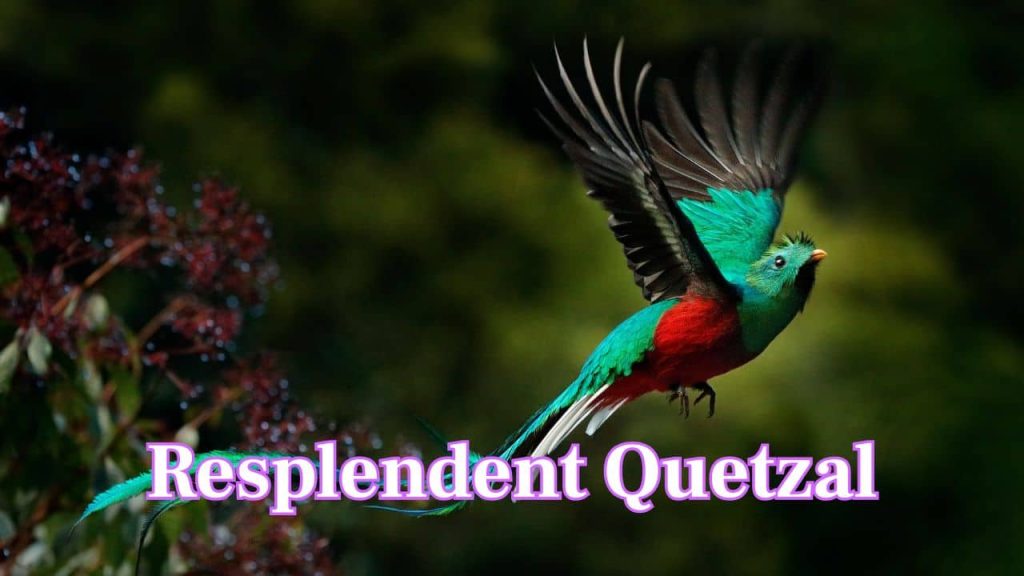
Unique feather structures make these birds special. Some feathers are very long and thin, while others are soft and fluffy. These shapes help birds fly, stay warm, or look beautiful. For example, peacocks have large feathers with eye-like spots. Quetzals have tail feathers that flow like ribbons.
| Feather Feature | Purpose | Example Bird |
|---|---|---|
| Bright Colors | Attract mates | Scarlet Macaw |
| Patterns (spots, stripes) | Camouflage | Harpy Eagle |
| Long Feathers | Display | Peacock |
| Soft Feathers | Warmth | Snowy Owl |

Credit: birdsnways.com
Famous Rare Bird Species
The Resplendent Quetzalis famous for its bright green and red feathers. It lives in Central American cloud forests. This bird is a symbol of freedom and wealth.
Wilson’s Bird-of-Paradiseis small but very colorful. It has a bright blue chest and a yellow crown. Found in Indonesia, it is known for its unique dance during mating.
The Hyacinth Macawis the largest flying parrot. It has deep blue feathers and a strong beak. Native to South America, it often lives near rivers.
Habitats Of Exotic Birds
Rare beautiful exotic birds thrive in tropical forests, wetlands, and remote islands. These unique habitats provide food, shelter, and safety for their survival. Many species depend on specific environments to maintain their vibrant colors and distinct behaviors.
Tropical Rainforests
Exotic birds love tropical rainforests. These forests are full of life. The air is warm and moist. Trees are very tall and green. Many birds find food here. They eat insects, fruits, and seeds. The forest gives them shelter. They build nests high in the trees. Parrots, toucans, and hummingbirds live here. They have bright colors and unique songs. These birds are important for the forest.
Isolated Islands
Many exotic birds live on isolated islands. These islands are far from people. Birds here are unique and rare. They have special colors and shapes. Islands provide safety from hunters. Birds find food in the ocean. Fish and small creatures are their meals. Island birds are important. They help keep the ecosystem balanced.
Mountainous Regions
Exotic birds also live in mountainous regions. Mountains are high and cold. Birds here are strong and brave. They fly high in the sky. Eagles and condors live here. They hunt for food with sharp eyes. Mountains give them a wide view. These birds are symbols of freedom and power.

Credit: www.youtube.com
Behavioral Traits
Mating dances and displaysare common in many exotic birds. Males often show bright feathers and move in special ways to attract females. These dances can include hopping, wing flapping, and tail spreading. Each species has a unique style, making their displays very interesting to watch.
Feeding habitsvary widely among exotic birds. Some eat fruits and seeds, while others prefer insects or small animals. Many birds use their strong beaks to crack open nuts or catch prey. Feeding often happens in groups or alone, depending on the bird’s nature.
- Fruit eaters:parrots, toucans
- Insect eaters:bee-eaters, woodpeckers
- Mixed diet:hornbills, some pigeons
Vocalizations and callshelp birds communicate with others. Some calls warn of danger, while others attract mates. Exotic birds can have loud, clear songs or soft, gentle sounds. These calls are important for survival and social bonding.
Conservation Challenges
Habitat lossis a big problem for rare exotic birds. Forests are cut down for farms and cities. Birds lose their homes and food sources. Without safe places to live, bird numbers drop fast.
Illegal wildlife trade makes things worse. Many rare birds are captured and sold as pets. This trade is dangerousand hurtswild populations. Birds often die during capture or transport.
Efforts to protect these birds include:
- Creating and guarding natural reserves
- Stopping illegal trade with laws and patrols
- Breeding programs to grow bird numbers safely
- Educating people about the importance of birds
These actions help keep rare birds safe and healthy.
Birdwatching Tips
Some of the best placesto see rare birds include tropical rainforests, wetlands, and remote islands. National parks and wildlife reserves offer safe habitats for exotic species. Early mornings and late afternoons are the best timesfor birdwatching. Be patient and move quietly to avoid scaring birds away. Use binoculars for a closer look without disturbing them.
Respecting birds and their homes is very important. Stay on marked paths to protect nests and plants. Avoid loud noises and sudden movements. Do not feed birds; it can harm their health. Keep a safe distance to avoid stressing the birds. Always follow local rules and guidelines to help conserve these rare species.
Use a camera with a zoom lens to capture bird details. A tripod helps keep the camera steady for clear shots. Take photos from a low angle to show birds in their natural setting. Use natural light and avoid flash to prevent scaring the birds. Be patient and ready; birds can appear suddenly and fly away quickly.

Credit: uk.style.yahoo.com
Frequently Asked Questions
What Makes Exotic Birds Rare And Beautiful?
Exotic birds are rare due to their unique colors, patterns, and limited habitats. Their beauty comes from vivid feathers and graceful shapes.
Where Can I Find Rare Exotic Birds In The Wild?
Rare exotic birds live mainly in tropical forests, remote islands, and protected nature reserves worldwide.
How Can I Help Protect Rare Exotic Bird Species?
Support conservation groups, avoid buying wild birds, and spread awareness about their habitat needs.
Conclusion
Rare beautiful exotic birds show nature’s true colors and wonders. These birds live far away, in forests, islands, and mountains. Each species has unique shapes, colors, and songs that amaze us. Protecting their homes helps keep them safe and alive.
Watching these birds can bring joy and peace to many. Their rarity makes them special treasures of our world. Learning about them grows our love for wildlife and nature. Explore more, appreciate their beauty, and support efforts to save them.
Their future depends on our care and respect.