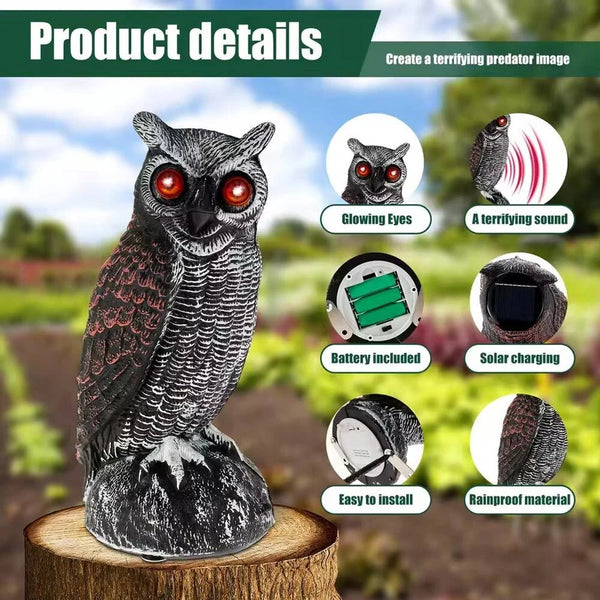
Are you tired of pesky birds invading your garden, damaging your plants, or making a mess around your home? You’re not alone.
Many people struggle to keep unwanted birds away without harming them. What if there was a simple, natural way to protect your space? Owl sounds to scare birds might be just what you need. These sounds tap into a bird’s natural fear, making them think a predator is near.
Keep reading to discover how you can use owl calls effectively and create a peaceful, bird-free environment around your property.
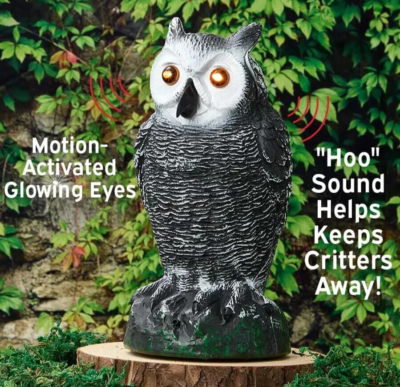
Credit: www.ebay.com
Why Use Owl Sounds
Owl sounds work as a natural bird deterrent. Birds hear these sounds and think an owl is near. They feel scaredand fly away. This method is safefor the environment and other animals.
Compared to nets or chemicals, owl sounds need less effort. They do not harm birds or plants. You can use sounds day and night. It is quietfor people but effectivefor birds.
- Easy to set up and use
- Does not kill or trap birds
- Works in gardens, farms, and parks
- Reduces damage to fruits and seeds
Types Of Owl Calls
Owl calls vary from hoots to screeches, each creating different effects. Some owl sounds effectively scare away smaller birds, helping protect gardens or crops. Using these calls mimics a natural predator, keeping unwanted birds at a distance.
Hooting Sounds
Hootingis the most common owl call. It is deep and steady. Many birds find hooting scary. It signals the owl’s presence. This sound helps keep other birds away.
Screeching Calls
Screechesare sharp and loud. They sound like a high-pitched scream. These calls can startle birds quickly. Screeching is often used to warn or scare.
Other Vocalizations
Owls also make barking, whistling, and chucklingsounds. These sounds are less common but still effective. They confuse birds and make them fly away fast.
Effectiveness Of Owl Sounds
Owl sounds can help keep birds away by making them feel threatened. Birds often avoid areas where they hear predator calls like owls. Using these sounds can reduce bird gatherings in gardens or farms.
Some birds fear owl sounds a lot. Owls are natural bird predators. Smaller birds are usually more scared. The sound of an owl makes them run. Bigger birds might not be as scared. It’s important to know which birds are nearby. That way, owl sounds can work better. Owl sounds work best at night. This is when owls are most active. Birds are more alert during this time. Daytime owl sounds may not work well. Birds are less likely to be scared then. Playing sounds at night can give better results. Birds can get used to owl sounds. If played too often, they learn it’s not real. Changing sounds can help. Use different owl calls. Do not play the same one all the time. This keeps birds on their toes. It’s key to trick the birds. `How To Use Owl Sounds
Using owl soundscan help scare birdsaway from gardens or farms. Sound devices or apps play these calls to mimic real owls. This tricks birds into thinking a predator is nearby.
- Choose devices that have clear and loudowl sounds.
- Apps can be convenient for small areas and easy to use.
- Place devices near places where birds gather or cause damage.
- Keep devices hiddento avoid disturbing people or pets.
Play the sounds mostly at dawnand dusk. Birds are more active then. Avoid playing sounds all day; birds may get used to them. Change the timing sometimes to keep the effect strong.
Combining Owl Sounds With Other Methods
Using owl soundsalone might not keep birds away for long. Combining these sounds with other methods works best. Visual deterrentscan scare birds away by tricking their eyes.
- Reflective tape or shiny objects scare birds.
- Fake owls or hawk decoys look real and create fear.
- Moving objects like flags or pinwheels cause birds to fly off.
Physical barriersstop birds from reaching areas. Netting over plants or fruit trees creates a strong block. Wire spikes on ledges stop birds from landing.
Environmental adjustmentsreduce bird attraction. Clean up food scraps and trash regularly. Remove standing water to avoid bird visits. Trim tree branches near buildings to limit perches.

Credit: www.walmart.com
Common Mistakes To Avoid
Overuse of owl soundscan make birds ignore the noise. Birds get used to repeated sounds quickly. Playing the sounds too often reduces their effect.
Ignoring bird behaviorleads to poor results. Different birds react to sounds in different ways. Knowing which birds live nearby helps choose the right sounds.
Inconsistent applicationconfuses birds. Sounds should be played at regular times. Random use makes birds less likely to be scared away.
Legal And Ethical Considerations
Using owl sounds to scare birds requires respect for local wildlife laws. Avoid causing harm or stress to birds while protecting your property. Ethical use ensures balance between pest control and nature care.
Local Wildlife Regulations
Many areas have rules about using owl sounds to scare birds. Some places require permission from wildlife agencies. These rules help protect native animals. Using sounds without approval can lead to fines. Always check local laws before using any bird deterrent. Respecting these rules keeps the environment safe for everyone.
Impact On Non-target Animals
Owl sounds may scare animals other than birds. Pets like cats and dogs might get nervous. Small mammals could also be disturbed. This can cause stress or change animal behaviors. Use sounds carefully to avoid harming other wildlife. Consider the balance between scaring pests and protecting all creatures.
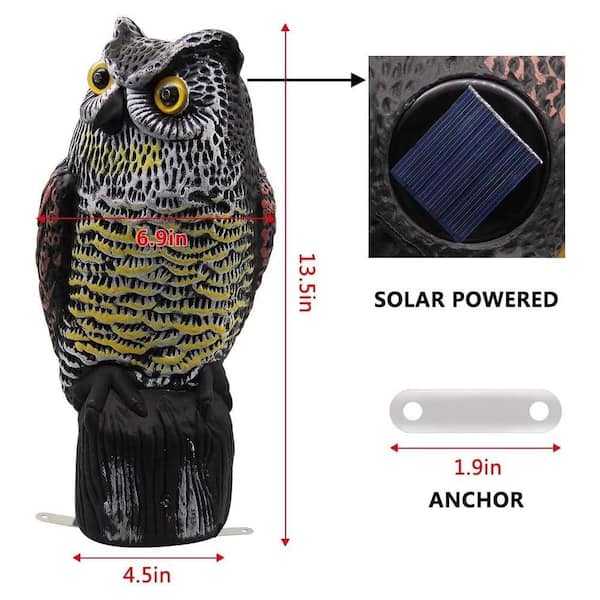
Credit: www.homedepot.com
Frequently Asked Questions
What Owl Sounds Are Best To Scare Away Birds?
Hooting and screeching owl sounds work well. They mimic natural predators, making birds feel unsafe nearby.
How Often Should Owl Sounds Be Played To Deter Birds?
Play owl sounds regularly, especially during dawn and dusk when birds are active. Consistency helps keep birds away.
Can Owl Sounds Alone Keep Birds From Nesting Nearby?
Owl sounds help but work best with other methods like visual decoys or netting for full protection.
Conclusion
Owl sounds work well to keep birds away from your space. Birds hear these calls and feel threatened. This helps protect gardens, crops, and outdoor areas. Using owl sounds is a safe, natural way to scare birds. Try different sounds to see what works best.
Keep in mind, birds may get used to one sound. Changing the calls often keeps them alert. Small efforts can make a big difference in bird control. Give owl sounds a try for peaceful, bird-free areas.