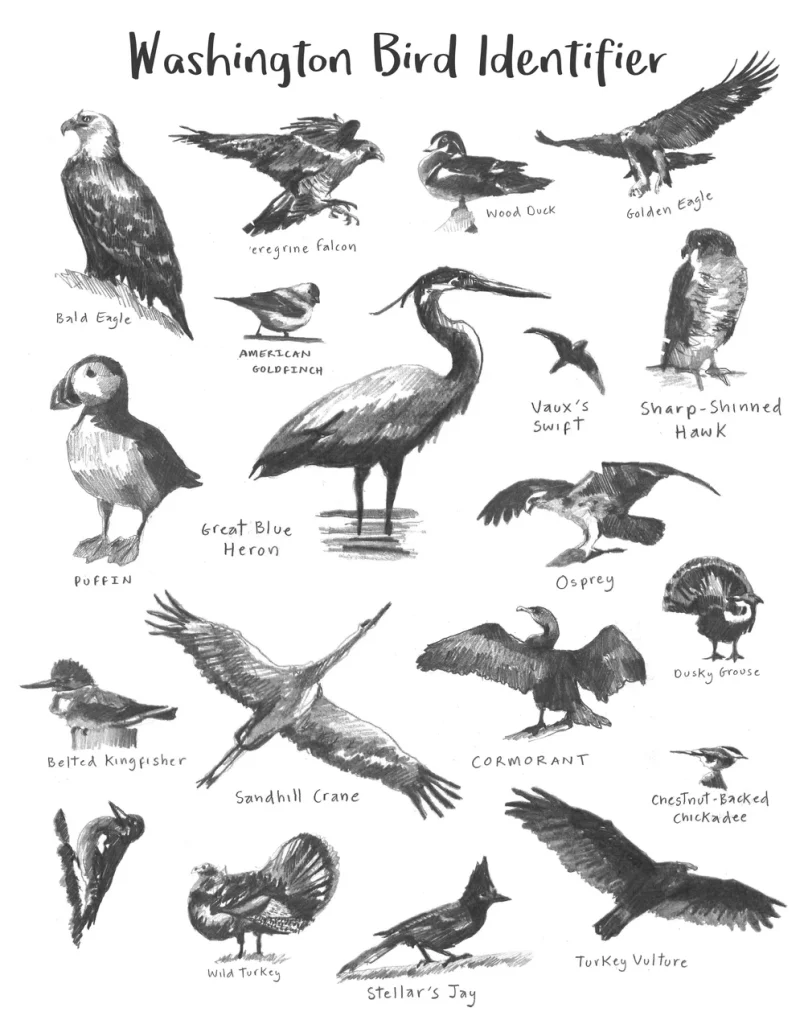
Do you ever find yourself staring at a bird and wondering what it is? The Pacific Northwest is full of amazing bird species, but identifying them can be tricky.
What if you could quickly spot the key features that tell you exactly which bird you’re looking at? You’ll discover simple tips and tricks to recognize PNW birds with confidence. By the end, you’ll impress your friends with your sharp birdwatching skills and enjoy nature even more.
Ready to become a bird expert? Let’s dive in!

Credit: www.amazon.com
Key Features Of Pnw Birds
Pacific Northwest birds vary in size and shape. Small songbirds like chickadees have round bodies and short tails. Larger birds such as eagles have broad wings and strong legs. Shape helps spot the bird quickly.
Color patternsare key to identification. Many birds show bright colors like the red of a northern flicker. Others have stripes or spots that stand out. Some have plain brown or grey feathers for camouflage.
- Bold stripes on the head or wings
- Bright patches on chest or belly
- Unique tail feather shapes or colors
Distinctive callshelp find birds even if they hide. Listen for whistles, chirps, or caws. Each species has its own sound. The varied calls are like bird names in the wild.

Credit: www.aba.org
Common Pnw Bird Species
Songbirdsin the Pacific Northwest are often small and colorful. They include species like chickadees, warblers, and sparrows. Their songs help identify them easily. Look for bright colors and quick movements in trees and bushes.
Waterfowlare birds found near lakes, rivers, and wetlands. Ducks, geese, and swans are common examples. These birds have webbed feet and flat bills. Watch for them swimming or flying low over water.
Raptorsare birds of prey with sharp talons and strong beaks. Hawks, eagles, and owls belong here. They often soar high and hunt small animals. Their large size and powerful flight stand out in the sky.
Seasonal Birdwatching Tips
Colorful birds visit during spring and summer. Watch for the American Robin. It has a bright red chest. The Western Tanageris another beauty. It shines with red and yellow colors. Swallowsare common near water. They fly fast and eat insects. Look for warblersin trees. They sing happy songs.
Many birds visit in fall and winter. The Dark-eyed Juncocomes with its gray colors. Snowy owlsmight appear. They are rare but beautiful. The Varied Thrushhas orange and black feathers. Geesefly in large groups. They make loud honking sounds. Chickadeesstay all year. They love seeds and nuts.
Best Habitats For Birdwatching
Forests and woodlandsprovide shelter for many bird species. Tall trees and dense leaves offer safe nesting spots. Birds like woodpeckers and owls prefer these areas. The sounds of birds are often loud and clear here. Walking quietly can help spot colorful birds.
Wetlands and lakesattract water-loving birds. Ducks, herons, and kingfishers live near water. These spots have plenty of fish and insects for birds to eat. Birds often rest on reeds or floating plants. Early morning is a great time to see many birds here.
Coastal areasare home to seabirds and shorebirds. Gulls, terns, and sandpipers search for food along the shore. Rocky beaches and tidal pools offer different bird types. Watch for birds flying low over the water or standing on rocks.
Using Binoculars And Field Guides
Choose binoculars with 8x or 10x magnificationfor clear views. Lightweight models are easier to carry on long walks. Look for binoculars with a wide field of view. This helps spot birds quickly.
Pick a bird field guidewith good pictures and simple descriptions. Guides that focus on the Pacific Northwest make identification easier. Waterproof or laminated pages last longer outdoors.
- Check for bird size, shape, and color in the guide.
- Use the guide to compare bird calls and behaviors.
- Mark your sightings to track which birds you’ve seen.

Credit: www.aba.org
Recording And Sharing Sightings
Birdwatching appshelp track and share your sightings easily. These apps often include photos, sounds, and location tools. They let you join a community of bird lovers. You can learn from others and help scientists with your data. Many apps have simple ways to record the bird’s name, date, and place. This makes it easy to keep all your birdwatching info in one spot.
Keeping a bird journalis a great way to remember your trips. Write down the bird’s color, size, and what it was doing. Draw simple sketches or attach photos. Note the weather and time of day too. This helps you spot patterns over time. A journal makes your birdwatching more fun and personal.
Frequently Asked Questions
What Are The Common Pnw Bird Species To Identify?
Common PNW birds include Steller’s Jay, Bald Eagle, and Varied Thrush. Each has distinct colors and calls. Learning their habitats helps in quick identification during birdwatching.
How Can I Distinguish Pnw Birds By Their Calls?
PNW birds have unique calls like the Steller’s Jay’s loud, harsh squawk. Listen carefully to bird songs and calls. This helps identify birds even when they are hidden.
Where Are The Best Pnw Birdwatching Spots?
Top spots include Olympic National Park, Mount Rainier, and Puget Sound. These areas host diverse bird species year-round. Visiting these locations increases your chances of spotting rare birds.
What Features Help Identify Pnw Birds By Appearance?
Look at size, color patterns, beak shape, and markings. Bright colors or distinctive markings like the Varied Thrush’s orange chest are key. These visual cues quickly narrow down species.
Conclusion
Identifying PNW birds becomes easier with practice and patience. Watch their colors, shapes, and sounds closely. Use a field guide or app for help. Visit local parks and listen carefully to bird calls. Over time, you will notice unique traits in each bird.
Enjoy the calm and beauty of nature around you. Bird watching can be a fun and relaxing hobby. Keep learning and exploring the Pacific Northwest’s rich bird life. Your knowledge will grow with every sighting and sound. Happy birding!