Have you ever paused to wonder why birds fill the air with their songs every morning? That beautiful melody isn’t just random noise—it holds a special purpose you might not know about.
Understanding why birds sing can change the way you experience nature and bring a new sense of wonder to your day. Keep reading, and you’ll discover surprising reasons behind those cheerful tunes that could make you see the world around you in a whole new light.
Purpose Of Bird Songs
Bird songsserve many purposes. One key reason is attracting mates. Male birds sing to show their strength and health. A strong, clear song can impress females. It tells them the bird is a good partner for raising chicks.
Another important reason is marking territory. Birds use songs to warn others to stay away from their space. This helps avoid fights and protects their nests. The song acts like a sign saying, “This is my place.”
- Attract mates by singing clear, strong songs
- Mark territory to keep others away
- Show strength and health through song
- Protect nests and resources

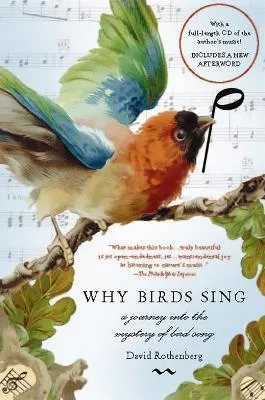
Credit: shakespearesbooks.com.au
How Birds Learn Songs
Birds learn songsmostly by copying soundsfrom other birds. Young birds listen carefullyto adults and try to repeat those sounds. This imitationhelps them learn the right tune.
Practice is key. Birds sing many timesto get better. This process can take weeks or months. Repetitionhelps their muscles and brain remember the song well.
| Brain and Memory Role | How It Helps |
|---|---|
| Song Control Regions | Special brain parts manage learning and singing songs. |
| Memory Storage | Birds keep song patterns in memory for future use. |
| Neural Plasticity | The brain changes to improve song learning and accuracy. |
Different Types Of Bird Calls
Alarm callswarn birds about danger nearby. These calls are sharp and loud. They help birds stay safe by alerting others quickly.
Contact callskeep birds connected. Birds use these soft sounds to find friends or family in the wild. It helps them stay together while flying or feeding.
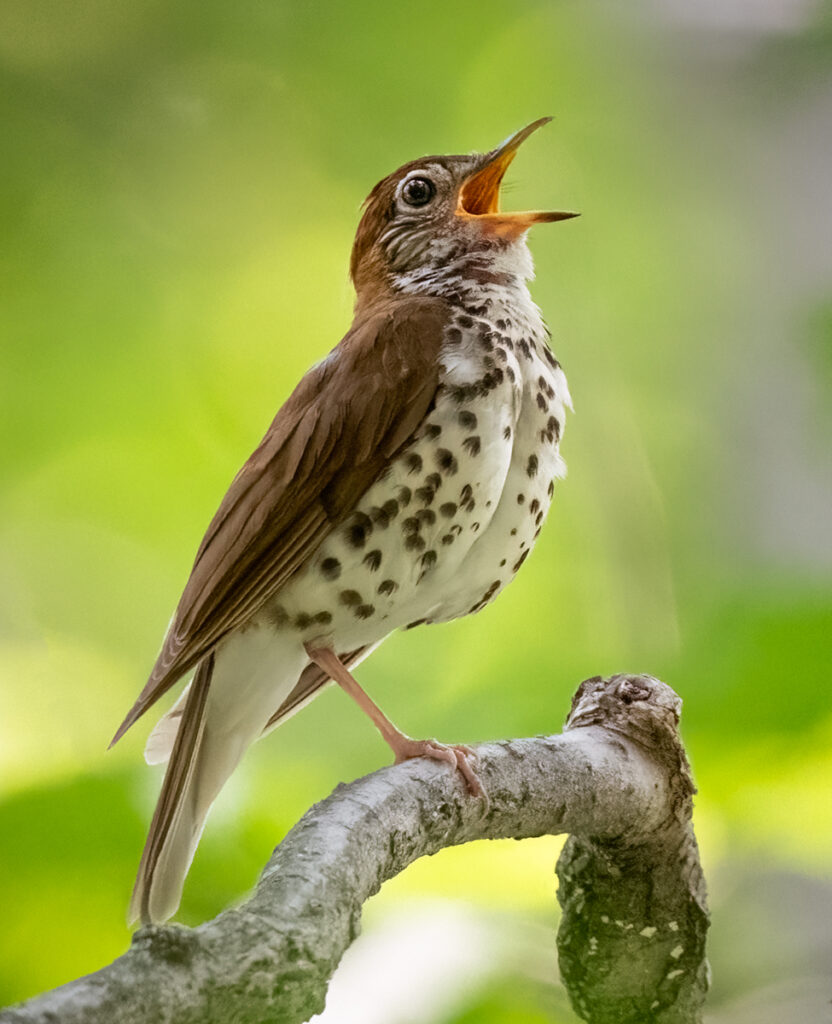
Song variationsshow different moods or messages. Male birds often sing complex songs to attract mates or mark territory. Each bird species has its own unique tune.
Credit: owendeutsch.com
Impact Of Environment On Birdsong
Birds sing to mark their territory and attract mates. The environment shapes their songs, helping them communicate clearly despite noise and weather changes.
Urban Noise Effects
Birdssing to communicate with each other. In cities, noise pollutionmakes it hard for them. They might sing louder to be heard. Some birds change their songs. This helps them communicate better. Urban noiseaffects bird behavior. It can stress them out. Happy birds sing better songs.
Seasonal Changes
Seasonsaffect bird songs. In spring, many birds sing more. This is when they find mates. Trees grow leaves in spring. This changes how sound travels. Some birds sing different songs in winter. They might sing less when it is cold. Seasonscan change bird habitats. Birds adapt their songs to survive.
Birdsong And Human Culture
Birdsonghas deeply influenced musicacross many cultures. Composers often mimic bird callsto create beautiful melodies. This natural sound adds a lively, fresh feeling to songs.
Many traditional songs use bird sounds to express peaceand nature’s beauty. Birdsong inspires instrumentsand rhythmstoo. It helps musicians connect with the natural world.
In literature, birdsong often symbolizes hope, freedom, and new beginnings. Writers use bird sounds to set a calmor joyful mood. Poems and stories include birdsong to make scenes more vivid.

Credit: www.amazon.com
Frequently Asked Questions
Why Do Birds Sing In The Morning?
Birds sing in the morning to mark their territory and attract mates. It’s their way to start the day.
How Does Bird Song Help In Mating?
Bird songs show strength and health to attract a partner. A strong song means a good mate.
Can Birds Sing To Warn Others About Danger?
Yes, some birds use songs to warn others about predators or threats nearby. It helps keep the group safe.
Conclusion
Birds sing to communicate and protect their homes. Their songs attract mates and warn rivals. Singing helps birds feel safe and connected. Each bird’s song is unique, like a special language. Listening to birds reminds us of nature’s beauty. Next time you hear a bird sing, pause and enjoy.
Their voices tell stories of life and survival. Birds’ songs add music to our everyday world. Appreciating this helps us care for wildlife more.