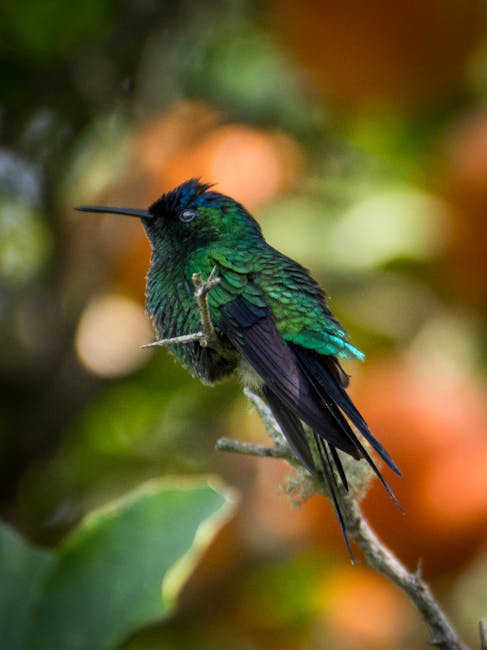
Have you noticed sticky spots around your hummingbird feeder or found nectar dripping everywhere? If your feeder is leaking, it can waste the sweet food you put out and make a mess in your yard.
More importantly, leaks can keep hummingbirds away, which defeats the whole purpose of having a feeder. You might wonder why this happens and how to stop it. You’ll discover the common reasons hummingbird feeders leak and simple fixes you can try right now.
Keep reading to protect your feeder and keep those tiny visitors happy!

Credit: www.facebook.com
Common Causes Of Hummingbird Feeder Leaks
Leaking hummingbird feederscan be frustrating. One common cause is improper assembly. If parts are not tightly sealed, nectar can drip out. Another reason is damaged or worn-out seals. Over time, seals can crack or break, causing leaks.
Temperature changesalso play a role. Warm weather makes the nectar expand, pushing it out of small gaps. Dirt or debris can clog the feeding ports, forcing nectar to leak from other areas.
- Cracksin the feeder body allow nectar to escape.
- Overfillingcan cause nectar to spill out easily.
- Improper placementon an uneven surface leads to leaks.
How Temperature Affects Feeder Leakage
Temperature changes cause hummingbird feeders to leak. Hot weather makes the nectar expand. Cold weather causes it to shrink. This expansion and shrinkage put pressure on the feeder’s seals. When pressure builds up, nectar can leak out.
Plastic feeders may warp in heat, making leaks more likely. Metal feeders handle temperature better but can still leak if seals fail. Keeping feeders in the shade helps reduce leaks by keeping nectar cooler.
- Warm temperatures cause nectar to expand.
- Cool temperatures cause nectar to shrink.
- Pressure changes can break seals and cause leaks.
- Plastic feeders may warp in heat.
- Shade helps keep nectar cool and stable.
Design Flaws That Lead To Leaks
Hummingbird feeders often leak due to poor designs. Some feeders have loose partsthat don’t fit well. This allows nectar to seep through small gaps. Another issue is upside-down bottle designs. Gravity pushes nectar out, causing drips. Some feeders use thin plasticthat cracks easily. Cracks let nectar escape quickly. Poor seal qualityis another reason for leaks. A weak seal won’t hold nectar inside.
Some feeders have overly complex designs. These have many joints and parts. More parts mean more places for leaks. Simpler designs often work better. Unstable basescan also cause leaks. If the base wobbles, nectar spills out. A firm, stable base is important. A bad lid designcan cause problems. Lids that don’t close tightly let nectar leak. A secure lid is essential to prevent leaks.
Simple Diy Fixes For Leaking Feeders
Check the feeder for cracks or holes causing leaks. Use waterproof glue to seal small cracks. Tighten all parts firmly to stop syrup from dripping. Clean the feeder regularly to prevent mold buildup that can block seals.
Replace worn-out rubber gaskets or seals. They help keep nectar inside and prevent leaks. Make sure the feeder is level when hanging to avoid spilling. Avoid overfilling; leave some space for nectar to expand.
- Seal cracks with waterproof glue.
- Tighten all parts properly.
- Replace old rubber seals.
- Hang feeder level.
- Do not overfill with nectar.
- Clean feeder often to keep seals tight.
Maintenance Tips To Prevent Future Leaks
Keep the feeder clean by washing it every few days. This stops mold and sticky nectar from causing leaks. Use warm water and a mild soap, then rinse well.
Check all seals and parts before filling the feeder. Replace any cracked or worn parts to avoid leaks. Tighten lids and connections firmly but gently.
Place the feeder in a shaded area. This helps keep the nectar fresh longer and reduces pressure that can cause leaks.
Store extra nectar in a cool place. Avoid filling the feeder with too much nectar at once. Smaller amounts reduce waste and spills.
- Clean feeder regularly
- Inspect seals and parts
- Tighten lids carefully
- Keep feeder in shade
- Refill with small amounts

Credit: www.yahoo.com

Credit: www.facebook.com
Frequently Asked Questions
Why Does My Hummingbird Feeder Drip Constantly?
A leaky feeder often has tiny cracks or loose parts causing nectar to drip out.
Can Temperature Changes Cause Hummingbird Feeders To Leak?
Yes, heat can expand nectar and air, pushing liquid out through feeder openings.
How Can I Stop My Hummingbird Feeder From Leaking?
Check seals, tighten parts, and clean the feeder regularly to prevent leaks.
Conclusion
Hummingbird feeders leak for a few simple reasons. Poor design, worn parts, or dirt can cause leaks. Regular cleaning and checking can stop most problems. Choose feeders with good seals and quality materials. Small fixes save your feeder and keep birds happy.
Enjoy watching hummingbirds without worrying about spills. Keep feeders dry and full for the best experience. Simple care makes a big difference in feeder performance.