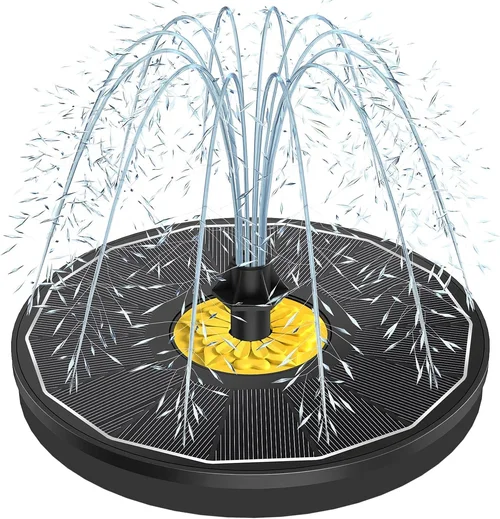
Stepping into your garden, imagine the gentle trickle of water, a symphony that draws in a vibrant chorus of feathered friends. This isn’t just a daydream; it’s the everyday reality a solar bird bath can bring to your outdoor space. More than just a charming garden accent, a well-chosen solar bird bath transforms your yard into a lively oasis, offering essential hydration and a safe bathing spot for local wildlife. As climate patterns shift and natural water sources become scarcer, providing fresh water for birds is an increasingly valuable contribution to your local ecosystem.
This comprehensive guide is your essential companion on the journey to selecting the perfect solar bird bath. We understand that navigating the myriad of options available can feel overwhelming, from understanding solar panel efficiency to discerning material quality and deciphering warranty details. Our aim is to demystify the process, equipping you with expert insights and practical advice. By the end of this article, you will feel confident and informed, ready to make a choice that not only beautifies your garden but also creates a thriving haven for birds.
The market for solar bird baths has flourished, now offering an impressive array of designs, features, and price points. Whether you envision a minimalist basin with a subtle bubbler, a multi-tiered fountain creating a dynamic water show, or a rustic piece that blends seamlessly with nature, there is a solar bird bath designed to meet your specific needs and aesthetic preferences. This guide will help you cut through the noise, providing a clear roadmap to ensure your investment brings joy to both you and your winged visitors for years to come.

What to Look for When Buying Buying Guide
Choosing the right solar bird bath involves more than just picking one that looks nice. It requires a thoughtful evaluation of several key factors that directly impact its performance, durability, and enjoyment. Let’s delve into the crucial aspects you should consider before making your purchase.
1. Performance Specifications: Solar Panel, Pump, and Battery
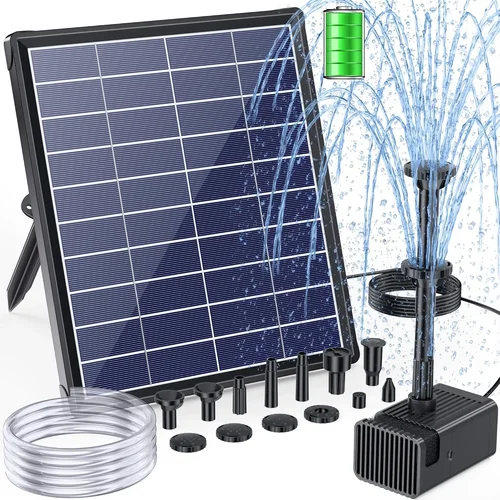
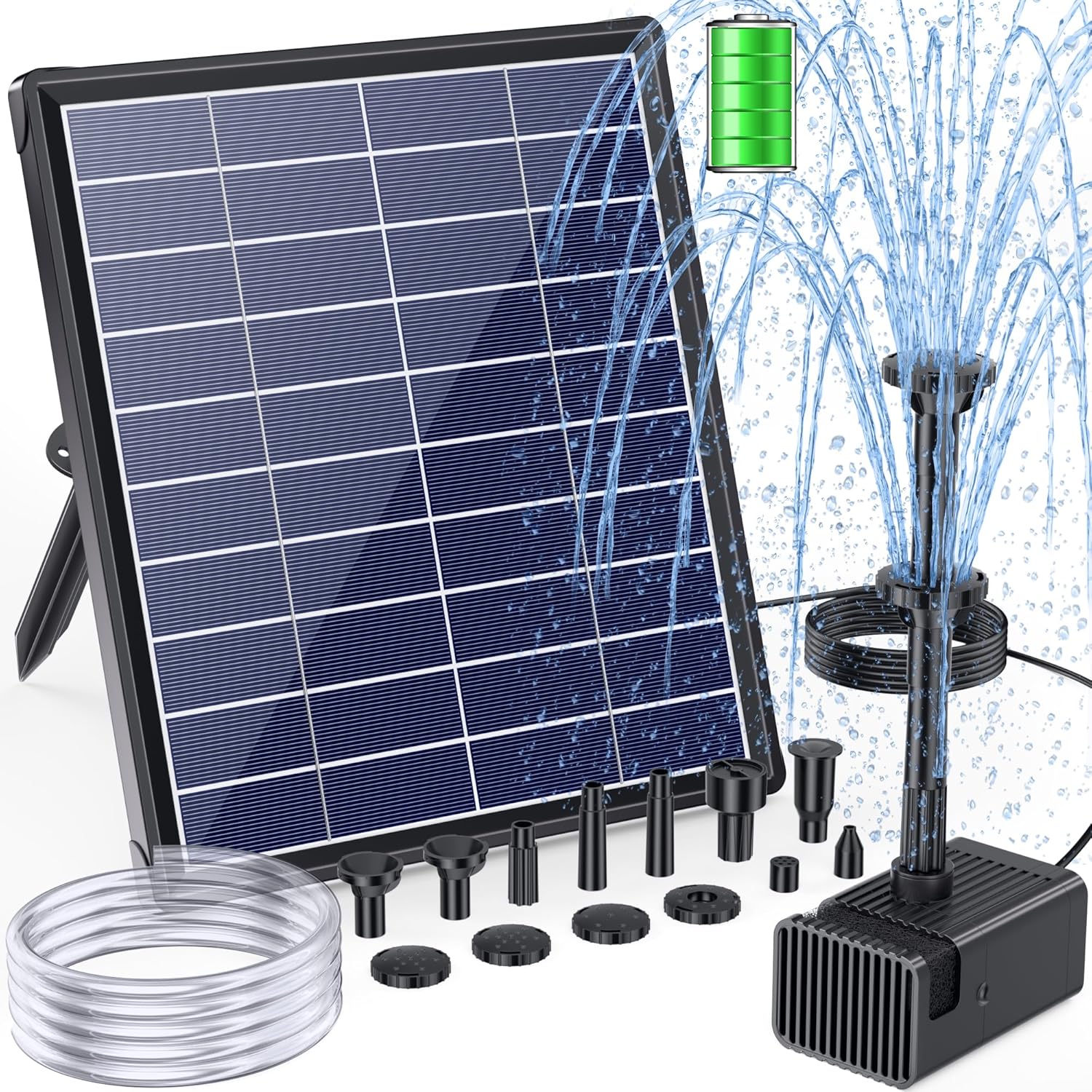
The heart of any solar bird bath lies in its power components. Understanding these specifications is vital for consistent operation. The solar panel’s efficiency dictates how well it converts sunlight into energy. Look for monocrystalline or polycrystalline panels, which are generally more efficient than amorphous silicon. A higher wattage panel (e.g., 2W vs. 0.5W) will provide more power, even on slightly overcast days.
The pump’s strength, often measured in liters per hour (LPH) or gallons per hour (GPH), determines the height and vigor of the water flow. A stronger pump creates a more noticeable fountain effect, which can be more appealing to birds and more resistant to minor clogs. Consider if the pump is brushless, as these tend to be more durable and quieter.
Finally, a built-in battery backup is a game-changer. This feature allows the bird bath to store excess solar energy, enabling it to operate during cloudy periods or even after sunset. Without a battery, the fountain will only work when direct sunlight hits the panel. If you want continuous operation, a battery is essential. Check the battery’s capacity, often measured in milliampere-hours (mAh), for an indication of its runtime.
2. Build Quality and Durability of Materials
A solar bird bath lives outdoors, exposed to the elements year-round. Therefore, the materials and overall build quality are paramount for its longevity. Common materials include resin, concrete, ceramic, metal (like copper or cast iron), and various plastics. Resin is popular for being lightweight, relatively durable, and able to mimic the look of heavier materials like stone or concrete. Ensure it’s UV-resistant to prevent fading and cracking over time.
Concrete and ceramic bird baths are heavy, stable, and naturally beautiful, but they can be susceptible to cracking in freezing temperatures if not properly winterized. Metal options, especially copper, develop an attractive patina over time but can be pricey. If opting for metal, ensure it’s rust-resistant. Avoid thin, flimsy plastics that can become brittle and break easily after prolonged sun exposure. Look for sturdy construction, well-sealed components, and finishes designed for outdoor use.
3. Features and Functionality Beyond the Basics
While the primary function is providing water, many solar bird baths come with additional features that enhance their appeal and usability. Multiple spray patterns or fountain heads allow you to customize the water display, which can attract different types of birds and add visual interest. Some models include LED lighting that illuminates the water at night, creating a stunning visual effect and extending its enjoyment into the evening hours.
Integrated filtration systems, though rare in entry-level models, can help keep the water cleaner for longer, reducing the frequency of deep cleaning. A water level sensor is an excellent safety feature that automatically shuts off the pump if the water level gets too low, preventing the pump from running dry and burning out. Consider if the solar panel is integrated into the bath or if it’s a separate unit connected by a wire, offering more flexibility in placement.
4. Size, Capacity, and Placement Flexibility
The physical dimensions of the bird bath and its water holding capacity are important practical considerations. A larger basin will hold more water, reducing the need for frequent refills due to evaporation, especially during hot weather. It also provides more space for multiple birds to gather simultaneously without feeling crowded. Consider the diameter and depth of the basin. Birds prefer shallow water, generally no more than 1-2 inches deep, with gently sloping sides for easy access and safe bathing.
Think about where you intend to place the bird bath. Do you have a small patio, a sprawling garden, or a secluded corner? Large, heavy bird baths require a stable, level surface and are difficult to move once installed. Smaller, lighter models offer more portability and can be relocated as needed. If you have a separate solar panel, assess the length of its connecting cable to ensure it can reach a sunny spot while the bath remains in its desired location.
5. Ease of Maintenance and Cleaning
Any water feature requires regular cleaning to prevent algae buildup, mineral deposits, and the spread of avian diseases. A solar bird bath that is difficult to clean will quickly become a nuisance rather than a joy. Look for designs with smooth, non-porous surfaces that resist algae growth. Removable basins or components make cleaning much easier. Some models have pumps that are readily accessible for cleaning, which is crucial for maintaining water flow.
Consider the complexity of disassembling and reassembling the pump and fountain heads. Instructions for routine cleaning should be clear and straightforward. If you live in an area with hard water, mineral deposits can quickly clog pump mechanisms and spray nozzles, so ease of descaling is also a factor. A simple design often translates to simpler, less frequent maintenance tasks.
6. Aesthetics and Design Integration
Beyond its functional purpose, a solar bird bath is a prominent decorative element in your garden or yard. Its design should complement your existing landscaping and personal style. Do you prefer a classic, ornate look, a modern minimalist aesthetic, or something rustic and natural? Solar bird baths come in a vast array of styles, from pedestals mimicking ancient stone to sleek, contemporary bowls and even whimsical designs featuring animals or unique shapes.
Consider the color and finish. Earthy tones blend well with natural surroundings, while brighter colors can serve as a focal point. Think about how the water feature will sound and look in its chosen spot. The visual appeal, combined with the soothing sound of trickling water, contributes significantly to the overall ambiance of your outdoor living space. Make sure it’s a piece you’ll enjoy looking at every day.
Different Types of Buying Guide
The world of solar bird baths offers a variety of designs, each with its own set of advantages and ideal uses. Understanding these distinctions will help you pinpoint the perfect match for your garden and your birds’ needs.

Common Buying Mistakes to Avoid

Even with the best intentions, it’s easy to fall into common traps when purchasing a solar bird bath. Being aware of these pitfalls can save you money, frustration, and ensure you make a truly satisfying choice.
❌ Mistake: Ignoring Solar Panel Placement Needs
Why it’s bad: Many buyers assume a solar bird bath will work anywhere in their yard. However, solar panels require several hours of direct, unobstructed sunlight to function optimally and charge any integrated battery. Placing it in a shaded area, even partial shade, will severely limit its performance, resulting in weak water flow or no operation at all.
What to do instead: Before purchasing, observe your yard throughout the day to identify spots that receive at least 6-8 hours of direct sunlight. If your preferred location for the bath is partially shaded, consider a model with a separate solar panel that can be placed in a sunnier spot, connected by a discreet cable. Always position the panel facing south (in the Northern Hemisphere) for maximum exposure.
❌ Mistake: Underestimating Maintenance Requirements
Why it’s bad: A common misconception is that solar bird baths are “set it and forget it” devices. Water features, especially those exposed to the elements, are magnets for algae, debris (leaves, pollen, dust), and mineral deposits. Neglecting regular cleaning leads to stagnant water, clogged pumps, unpleasant odors, and can become a breeding ground for mosquitoes and harmful bacteria for birds.
What to do instead: Plan for weekly cleaning at a minimum. Choose a bird bath made from easy-to-clean materials like smooth resin or glazed ceramic. Look for designs where the basin is easy to access and the pump can be quickly removed for rinsing. Simple soap and water, or a dilute vinegar solution, are usually sufficient. Regularly check and clear debris from the pump filter to maintain optimal flow.
❌ Mistake: Buying a Basin That’s Too Deep or Too Small
Why it’s bad: Birds are naturally wary of deep water. A bird bath with steep sides or a depth exceeding 2 inches can deter smaller birds, who perceive it as a drowning hazard. Conversely, a basin that is too small will evaporate quickly, requiring constant refilling, and may not accommodate multiple birds simultaneously, leading to overcrowding or competition.
What to do instead: Look for a bird bath with a gradual slope, allowing birds of various sizes to wade comfortably. The deepest point should ideally be no more than 1.5 to 2 inches, with shallower edges for perching. Opt for a basin with a diameter of at least 15-20 inches to provide ample space for bathing and drinking. Consider adding smooth, flat stones to deeper baths to create additional shallow perching spots.
❌ Mistake: Overlooking Material Quality and Weather Resistance
Why it’s bad: Opting for the cheapest model often means sacrificing durability. Flimsy plastics can crack, fade, and become brittle under prolonged sun exposure. Metals can rust, and poorly finished concrete or ceramic may chip or absorb water, leading to freeze-thaw damage in colder climates. This results in a short-lived product and a wasted investment.
What to do instead: Invest in materials known for outdoor resilience. High-quality, UV-stabilized resin is a good balance of durability and affordability. Look for weather-resistant coatings on metal components. If you live in a region with freezing winters, either choose materials resistant to frost or ensure the bird bath is designed for easy draining and storage during the cold months.
❌ Mistake: Neglecting Bird Safety Features
Why it’s bad: While attracting birds is the goal, some designs can inadvertently pose risks. Slippery surfaces, overly deep water, or toxic materials can harm birds. Aggressive fountain sprays might also intimidate smaller species, making them avoid the bath altogether.
What to do instead: Prioritize baths with textured or slightly rough surfaces to provide birds with secure footing. Ensure the water depth is shallow and gradually sloped. Confirm that all materials are non-toxic and bird-safe, particularly if the bath is made from painted or treated materials. Choose fountain nozzles that create gentle ripples or soft sprays, rather than powerful jets, to create a more inviting and natural environment.
❌ Mistake: Skipping the Warranty and Return Policy Check
Why it’s bad: Solar components, especially pumps and batteries, can sometimes fail prematurely. If you don’t check the warranty, you might be left with a non-functional product and no recourse for replacement or repair, especially for more expensive models. Similarly, a restrictive return policy can leave you stuck with a product that doesn’t meet expectations once installed.
What to do instead: Always read the warranty details carefully. A good solar bird bath should come with at least a 1-year warranty on the pump and solar panel. Understand what is covered (defects vs. wear and tear). Check the retailer’s return policy, especially for online purchases, regarding timeframe, condition requirements, and who covers return shipping. This foresight protects your investment.
Budget Guidelines: How Much Should You Spend?
The price of solar bird baths varies widely, reflecting differences in materials, features, size, and brand. Understanding these tiers can help you set a realistic budget and manage your expectations for what you’ll receive.
Entry-Level ($30 – $80)
In this range, you’ll primarily find basic floating solar pump kits designed to turn any existing basin into a fountain. You might also find very small, simple, integrated solar bird baths made of lightweight plastic or basic resin.
What to expect: These models offer fundamental solar water movement. Floating pumps typically lack battery backup and only operate in direct sunlight. Integrated units at this price point are often smaller, less durable, and may not have advanced features or robust pump power. They are a good starting point for testing the waters or for those with very limited space and budget. Durability might be a concern over time.
Mid-Range ($80 – $200)
This is often the sweet spot for most buyers, balancing quality and features without breaking the bank. Here, you’ll find a wide selection of integrated solar bird baths, typically made from higher-quality resin, sturdy plastic, or sometimes lightweight concrete composites. Many models in this tier include a small battery backup for evening operation or cloudy days, and offer multiple spray patterns.
What to expect: Improved build quality, better aesthetics that mimic natural stone or ceramic, and more reliable solar panels and pumps. You can expect features like basic LED lighting, better weather resistance, and often a more substantial size. This range provides excellent value for those seeking a durable, attractive, and functional solar bird bath for daily enjoyment.
Premium ($200 – $400)
For enthusiasts and those seeking a standout garden feature, the premium range offers enhanced durability, advanced features, and superior design. You’ll encounter larger, more elaborate designs made from high-grade resin, cast stone, or even genuine copper. The solar panels are often more efficient, and battery backups are typically standard, providing longer operating times.
What to expect: Robust, heavy-duty construction designed for longevity. Features often include multi-tiered designs, intricate detailing, powerful and quiet pumps, sophisticated LED lighting, and sometimes remote controls. These baths are designed to be focal points, offering a significant upgrade in aesthetic appeal, performance, and overall user experience. They require less frequent maintenance due to better filtration and pump quality.
Luxury ($400+)
At the top tier, you’ll find truly exceptional solar bird baths that combine artistry with cutting-edge technology. These are often large-scale, custom-designed pieces, made from premium materials like hand-carved stone, high-grade metals, or artisanal ceramics. They might integrate smart technology, advanced water purification, or unique architectural elements.
What to expect: Unparalleled craftsmanship, bespoke designs, and the most advanced solar and pump technology available. These units are built to be long-term investments and statement pieces, offering superior performance, durability, and a truly unique aesthetic. They often come with extended warranties and professional installation options. This range is for buyers who prioritize ultimate luxury, unique design, and uncompromising performance.
Expert Tips for Getting the Best Deal
Navigating the market for a solar bird bath can be more strategic than simply browsing shelves. Employing these expert tips can help you secure a better product, often at a more favorable price, and ensure a more satisfying purchase experience.
1. Timing Your Purchase for Seasonal Sales
Like many outdoor leisure products, solar bird baths often see significant price drops during specific times of the year. The best time to buy is typically in the late fall or early winter, as retailers clear out summer inventory to make space for holiday goods. You can often find discounts of 20% to 50% during these off-season sales. Conversely, prices tend to be higher in spring when demand for garden items peaks.
2. Online vs. In-Store Retailers: Where to Buy
Online retailers (e.g., Amazon, Wayfair, specialty garden sites) often offer a wider selection and competitive pricing due due to lower overheads. They also make it easy to compare models and read user reviews. However, you can’t physically inspect the product before buying, and shipping larger items can be costly or result in damage. In-store retailers (e.g., local garden centers, hardware stores) allow you to see the bird bath in person, assess its size and material quality, and ask questions. They may offer immediate pickup, avoiding shipping costs. Weigh the pros and cons based on the specific model and your preferences.
3. How to Spot Genuine Deals, Not Just Discounts
A “sale” sticker doesn’t always mean a good deal. Research the product’s price history using tools like CamelCamelCamel for Amazon or by simply checking multiple retailers. This helps you understand if the “discount” is a true price reduction or just a common fluctuation. Look for bundles that include accessories like cleaning kits or additional fountain nozzles. Pay attention to clearance sections, which can yield excellent finds, especially towards the end of a season.
4. Scrutinize Warranty and Return Policies
Before you commit, thoroughly review the warranty offered by the manufacturer and the return policy of the retailer. A strong warranty (at least 1 year on the pump and solar panel) indicates a reliable product. Understand the terms: what voids the warranty, what’s covered, and the process for making a claim. For online purchases, pay close attention to return shipping costs, especially for heavy items. A generous return policy provides peace of mind.
5. Don’t Overlook User Reviews and Ratings
Genuine user reviews provide invaluable insights into the real-world performance and durability of a solar bird bath. Look beyond the overall star rating and read detailed comments. Pay attention to recurring themes regarding pump reliability, battery life, material fading, ease of assembly, and customer support experiences. Photos from users can also offer a more accurate representation of the product than manufacturer images. Disregard overly positive or negative outlier reviews, focusing on the consensus.
6. Consider DIY Options and Upgrade Kits
If you already have a beautiful, traditional bird bath that you love, you don’t necessarily need to buy a whole new solar unit. Floating solar pump kits are an affordable and effective way to add a fountain feature to an existing basin. These kits are relatively inexpensive and easy to install, offering a cost-effective path to enjoying the benefits of moving water for birds without a full replacement. Just ensure your existing bath is compatible in terms of size and depth.
Frequently Asked Questions
Many common questions arise when considering a solar bird bath. Here are detailed answers to help clarify your understanding and guide your decision-making.
Q: How do solar bird baths work?
A: Solar bird baths operate by converting sunlight into electricity. A solar panel captures photons from the sun and converts them into direct current (DC) electricity. This electricity then powers a small submersible pump, which draws water from the basin and pushes it up through a nozzle, creating a fountain or bubbling effect. In models with a battery, excess energy is stored for use when sunlight is unavailable.
Q: Do solar bird baths need direct sunlight to function?
A: Yes, most solar bird baths require direct, unobstructed sunlight to operate optimally. Without direct sun, the solar panel won’t generate enough electricity to power the pump effectively. Models with a battery backup can store energy from direct sun and run for a period during cloudy days or at night, but they still need several hours of direct sun daily to recharge.
Q: How often should I clean my solar bird bath?
A: For optimal hygiene and to prevent algae buildup, you should clean your solar bird bath at least once a week. In hot weather or if you notice significant debris, more frequent cleaning might be necessary. This includes emptying the old water, scrubbing the basin, rinsing the pump filter, and refilling with fresh water. Regular cleaning ensures a healthy environment for birds.
Q: Can solar bird baths operate at night or on cloudy days?
A: Only solar bird baths equipped with a battery backup system can operate at night or on cloudy days. The battery stores energy harvested from direct sunlight, allowing the pump to run when the sun isn’t shining. Models without a battery will only function when exposed to sufficient direct sunlight.
Q: What kind of birds do solar bird baths attract?
A: Solar bird baths with moving water are particularly attractive to a wide variety of bird species, including smaller songbirds like finches, sparrows, and robins, as well as larger birds like jays and doves. The sound of moving water acts as a beacon, signaling a fresh water source. Many birds also enjoy the opportunity to bathe and preen in the shallow, circulating water.
Q: Are solar bird baths safe for birds?
A: When chosen and maintained correctly, solar bird baths are very safe for birds. Ensure the basin has shallow, gently sloping sides (1-2 inches deep at most) and a non-slippery surface for secure footing. Regularly clean the bath to prevent the growth of harmful bacteria and mosquito larvae. Avoid aggressive fountain sprays that might startle or harm smaller birds.
Q: Can I use a solar bird bath in winter?
A: This depends on your climate and the bird bath’s materials. In regions with freezing temperatures, traditional materials like ceramic or concrete can crack if water freezes inside them. Solar components (pumps, panels, batteries) can also be damaged by freezing. It’s generally recommended to drain, clean, and store most solar bird baths indoors during winter. Some specialized heated bird baths exist, but they typically require an electrical outlet, defeating the “solar” aspect.
Q: What should I do if the pump stops working?
A: First, ensure the solar panel is receiving direct sunlight. Then, check for clogs: remove the pump and clean any debris from its filter and impeller. Mineral deposits can also build up, so a soak in a vinegar solution might help. Ensure the water level is sufficient. If these steps don’t resolve the issue, and the unit has a battery, check if the battery is fully charged. If the pump still doesn’t work, it may need to be replaced, or you might need to contact the manufacturer if it’s under warranty.
Our Final Recommendations
Making the right choice for your solar bird bath comes down to aligning your needs, budget, and aesthetic preferences. Here are our top recommendations for various buyer profiles.
Best for Budget-Conscious Buyers: Floating Solar Pump Kits
If you’re looking to enhance an existing bird bath or want an affordable entry into solar water features, a high-quality floating solar pump kit is your best bet. These kits are incredibly versatile, require minimal setup, and deliver instant water movement. Look for kits with multiple nozzle options and a strong, brushless pump for better longevity and performance. They’re an excellent way to attract birds without a significant investment.
Best Overall Value: Mid-Range Integrated Resin Bird Bath with Battery Backup
For most homeowners, a mid-range integrated solar bird bath made from durable, UV-resistant resin offers the best balance of features, aesthetics, and longevity. Prioritize models that include a battery backup for consistent operation, even on partly cloudy days or into the evening. These typically come with appealing designs that mimic natural stone and provide reliable water flow, offering great bang for your buck.
Best Premium Option: Large, Sturdy Cast Stone/High-Grade Resin with Advanced Features
If you’re willing to invest in a statement piece that will last for years and offer superior performance, opt for a large, heavy-duty solar bird bath crafted from cast stone or high-grade, reinforced resin. Seek out models with high-efficiency separate solar panels (for optimal placement), a robust battery backup, powerful brushless pumps, and integrated LED lighting for dramatic evening ambiance. These provide a truly immersive and reliable water feature experience.
Best for Beginners: Simple, Easy-Assembly Resin Bird Bath
For those new to solar bird baths, simplicity is key. Choose a model made from sturdy resin that requires minimal assembly and features an integrated solar panel and pump. Look for clear instructions and a straightforward design that makes cleaning and maintenance easy. A basic model with a gentle bubbler will attract birds effectively without overwhelming you with complex features.
Best for Attracting a Variety of Birds: Multi-Level or Wide Basin Design
To maximize bird attraction, consider a multi-level solar bird bath or one with a wide, gently sloped basin. Multi-tiered designs provide different depths and perching opportunities, appealing to various bird sizes and preferences. A wide basin ensures ample space for multiple birds simultaneously and offers more surface area for the soothing sound of moving water to emanate, drawing in a diverse range of avian visitors.
Conclusion: Making the Right Choice
The journey to choosing the perfect solar bird bath can be as rewarding as watching your garden come alive with feathered guests. By now, you should feel equipped with a comprehensive understanding of the critical factors, different types, potential pitfalls, and smart purchasing strategies. Remember, the “best” solar bird bath isn’t a universal product; it’s the one that perfectly aligns with your specific needs, your garden’s environment, and your personal budget.
Prioritize features that truly matter to you, whether it’s continuous operation through a battery backup, the durability of the materials, the ease of cleaning, or a specific aesthetic that complements your outdoor space. Take the time to assess your yard’s sunlight patterns and consider the practicalities of installation and maintenance. Armed with this expert knowledge, you are now ready to confidently select a solar bird bath that will provide years of enjoyment, attracting and sustaining a vibrant community of birds right to your doorstep. Happy bird watching!