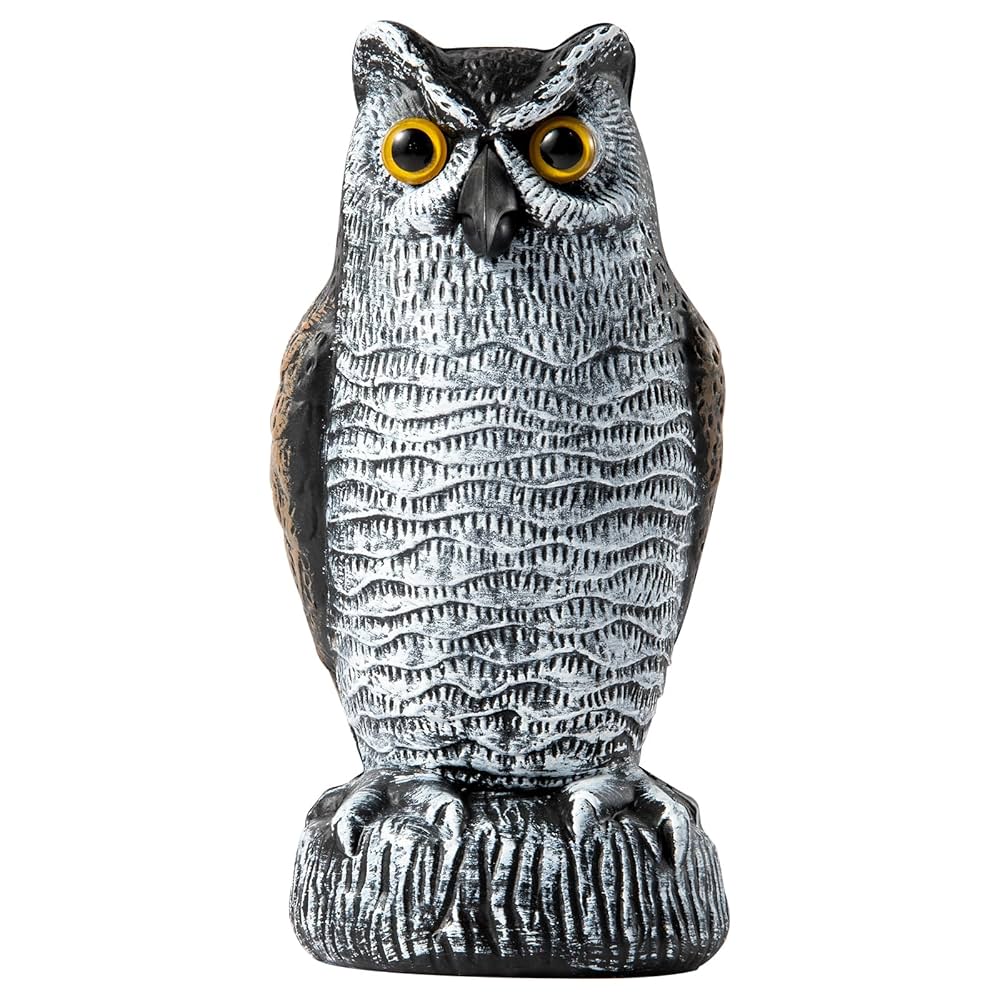
Are birds turning your garden into their favorite hangout spot? You might be wondering if a fake owl can really keep them away.
It sounds simple—a lifelike owl perched nearby, and suddenly, your plants and outdoor spaces stay safe. But does this trick actually work, or is it just a clever myth? Keep reading to discover the truth about fake owls and how they might help you protect your space from unwanted feathered visitors.
Credit: www.wayfair.ca
How Fake Owls Work
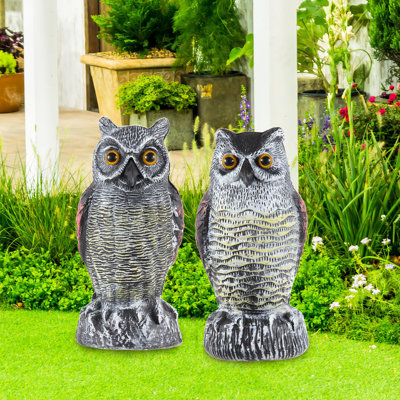
A fake owlworks mainly by scaring birdsthrough sight. Birds see the owl as a threat. This makes them avoid the area. The visual deterrent effectrelies on the owl’s shape and eyes, which look real from afar.
Birds remember that owls hunt them. So, they stay away. The fake owl must be moved sometimes. This helps keep the fear strongand prevents birds from getting used to it.
| Owl Behavior | How It Helps Deterrence |
|---|---|
| Hunts at night | Birds fear being caught in dark |
| Sharp eyes | Birds see the owl as a watcher |
| Silent flight | Makes sudden attacks possible |

Credit: www.amazon.ca
Effectiveness Against Different Birds
Fake owlscan scare some birds but not all. Pigeons and sparrowsoften get used to them quickly. They see the owl as a threat at first but realize it does not move. This makes the fake owl less effective over time.
Larger birdslike crows and hawks may be more cautious. They might avoid areas with fake owls for longer. But if the owl stays still, these birds may also ignore it eventually.
Small songbirdsusually do not mind fake owls much. They are often curious or not scared by the owl’s shape. This means fake owls do not work well to keep them away.
Limitations Of Fake Owls
Fake owls may frighten birds at first, but they often lose their effect quickly. Birds soon realize these owls do not move or pose real danger. Regularly moving or changing the owl’s position can help, but results still vary.
Habituation Over Time
Birds are smart and can learn quickly. Over time, they may realize the owl is fake. They might not be scared anymore. This happens because the owl does not move. It never changes its spot. Birds start ignoring it.Lack Of Movement And Sound
Fake owls do not make any sounds. Real owls hoot and move. Birds notice this difference. Without sound, the fake owl is less scary. Birds become used to it. It becomes just another object.Placement And Visibility Issues
The owl must be in a visible spot. If hidden, it loses its power. It should be placed where birds often come. If birds can’t see it, they won’t be scared. Moving the owl sometimes can help. This might keep birds guessing. `Enhancing Deterrent Power
Adding motion elementsto a fake owl makes it more lifelike. Moving parts like wings or a head that turns can catch birds’ attention. This motion increases the owl’s ability to scare birds awaybecause real owls move often.
Combining the fake owl with sound devicescan boost its effectiveness. Sounds like owl calls or bird distress noises add realistic threats. These noises make birds feel unsafe, encouraging them to leave the area quickly.
Regularly changing the positionsof the fake owl prevents birds from getting used to it. Moving the owl to new spots keeps birds unsure and alert. This reduces the chance of birds ignoring the owlover time.
Alternative Bird Deterrents
Reflective tape and objectswork by dazzling birds with light flashes. These shiny materials move with the wind and create quick, bright reflections. Birds see the sudden light and feel disturbed, so they stay away. This method is easy to set up and safe for all animals.
Netting and physical barriersstop birds from reaching specific areas. Netting covers fruit trees, gardens, or ponds to block birds. Barriers also include spikes or wires placed where birds like to perch. These tools prevent birds from landing or eating plants without hurting them.
Natural predators and repellentsuse sounds or smells birds dislike. Playing predator calls or using scents like garlic or peppermint can scare birds off. Some use fake snakes or hawks as visual threats. These ways help keep birds away without traps or chemicals.
Choosing The Right Solution
Choosing the right bird deterrent matters for lasting results. A fake owl can work but often loses effect as birds get used to it. Combining it with other methods increases success in keeping birds away.
Assessing Bird Species And Behavior
Different birds react differently to fake owls. Some birds, like pigeons and sparrows, may get scared easily. Others, like crows, might ignore the fake owl after a while. The size and movement of the fake owl also matter. Moving fake owls scare birds more than stationary ones. Changing the position often can keep birds cautious.
Environmental Considerations
Place fake owls where birds usually gather. Near gardens, rooftops, or balconies works well. Avoid placing the owl where it harms other animals. Bright sunlight or rain can damage plastic owls. Choose a spot with some shelter to last longer.
Cost And Maintenance Factors
- Fake owls are usually cheap and easy to buy.
- Some models have moving parts needing batteries or motors.
- Regular cleaning helps keep the owl effective.
- Replace owls if they fade or get damaged.
- Compare costs of fake owls versus other bird control methods.

Credit: www.amazon.ca
Frequently Asked Questions
Do Fake Owls Really Scare Birds Away?
Fake owls can scare birds at first, but birds often get used to them quickly.
How Long Do Fake Owl Deterrents Stay Effective?
Effectiveness usually lasts a few weeks; birds learn fake owls are not a threat.
Where Should I Place A Fake Owl To Repel Birds?
Place it in visible spots like gardens or rooftops where birds often gather.
Conclusion
Fake owls can work to scare some birds away. Birds may avoid them at first because they see a predator. But over time, birds often get used to fake owls. They learn there is no real danger. Moving the owl around helps keep the birds unsure.
Using a fake owl with other methods works best. Patience is key when trying to keep birds away. A fake owl alone might not solve the problem. Try combining it with noise or other bird deterrents. Keep watching and adjusting your approach for success.