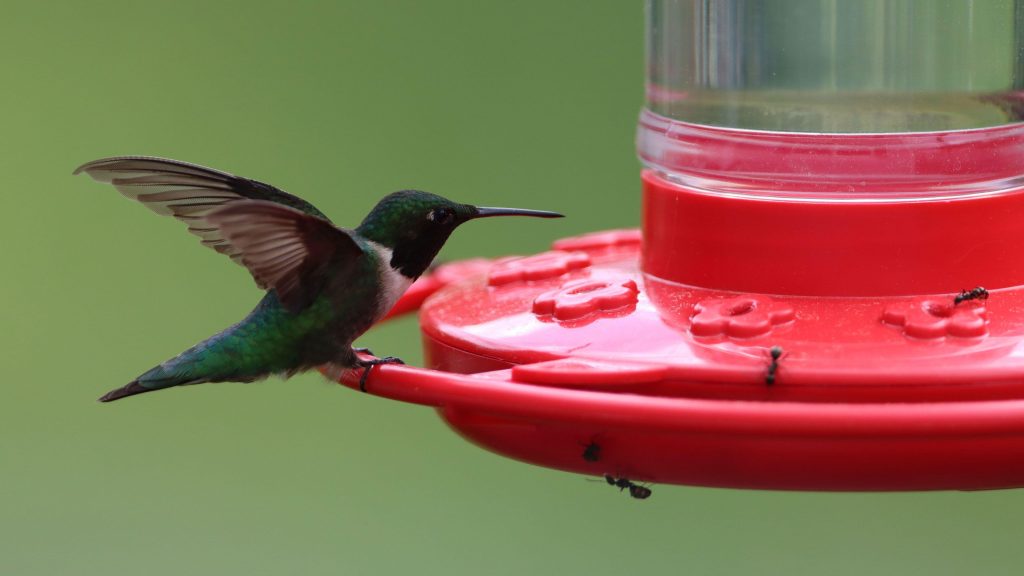
Have you ever noticed your hummingbird food turning cloudy and wondered why it happens? If you care about attracting these tiny, colorful visitors to your garden, keeping their food fresh is key.
Cloudy nectar can be a sign that something is off, and it might even keep hummingbirds away. Understanding why your hummingbird food becomes cloudy will help you keep your feeders clean and your feathered friends happy. You’ll discover the common reasons behind cloudy hummingbird food and simple steps you can take to fix it fast.
Keep reading to make sure your hummingbirds get the best nectar every time!
Causes Of Cloudy Hummingbird Food
Cloudy hummingbird food often results from bacteria or mold growth. Using old or unclean feeders can also cause cloudiness quickly. Warm temperatures speed up this process, making the nectar spoil faster.
Sugar Concentration Issues
Using too much sugar can cause the food to become cloudy. The right mix is usually four parts water to one part sugar. Too little sugar can also make the solution look cloudy. Stir well to dissolve sugar completely before filling the feeder.
Water Quality Factors
Tap water with minerals or impurities often makes the food cloudy. Using filtered or distilled water can help keep the liquid clear. Hard water with high mineral content can cause sediment to form.
Contamination Risks
Dirty feeders or leftover food can grow bacteria and mold. These make the nectar cloudy and unsafe for hummingbirds. Clean feeders regularly with hot water and mild soap.
Fermentation Process
Warm temperatures speed up fermentation, turning nectar cloudy and smelly. This happens when sugar breaks down into alcohol and acids. Change the food every two to three days to avoid fermentation.
Credit: www.homesandgardens.com
Effects On Hummingbirds
Cloudy hummingbird foodcan cause health problemsfor birds. It may grow harmful mold and bacteria. Birds that drink this food risk getting ill. Their digestive system can be upset, leading to weakness or sickness.
Cloudy food can change how hummingbirds feed. They may visit feeders less oftenor stop drinking from them completely. This can cause reduced energysince hummingbirds need sugar for fuel.
- Cloudy food may taste bad to hummingbirds.
- They might search for cleaner sources of nectar.
- Cloudy feeders can discourage birds from returning.
Preventing Cloudiness
Use a 1:4 sugar-to-water ratiofor hummingbird food. This means 1 cup of sugar and 4 cups of water. Mix until all sugar is dissolved. This balance helps avoid cloudiness.
Always use clean, fresh water for your feeder. Tap water is fine if it’s safe to drink. Avoid using hot water that can cause cloudiness. Filtered water is a good choice too.
Clean the feeder every two days. Use warm, soapy water and rinse well. A clean feeder stops bacteria growth. Bacteria can make the food cloudy.
Do not add red dye or any additives. They are not needed and can make food cloudy. Stick to sugar and water only. This keeps the nectar clear and safe.

Credit: www.yahoo.com
When To Replace The Food
Cloudy hummingbird foodis a sign it may be spoiled. Look for changes in color, smell, or texture. A sour or fermented smell means the food is no longer safe. Mold or bubbles on the surface also show spoilage.
Replace the food regularly to keep hummingbirds safe and healthy. The best practiceis to change the food every 3 to 5 days. In hot weather, replace it more often, about every 2 to 3 days. Cooler weather may allow up to a week before replacing.
| Condition | Replacement Frequency |
|---|---|
| Hot Weather (above 80°F / 27°C) | Every 2-3 days |
| Mild Weather (60-80°F / 15-27°C) | Every 3-5 days |
| Cool Weather (below 60°F / 15°C) | Every 5-7 days |
Tips For Maintaining Clear Nectar
Store hummingbird food in a cool, dark placeto keep it fresh longer. Avoid direct sunlight, which can cause the nectar to spoil faster. Use clean, airtight containers to stop dirt and bacteria from entering. Always prepare fresh nectar every few days to prevent cloudiness and fermentation.
Keep feeders cleanby washing them with hot water every time you refill. This helps stop mold and bacteria growth. Avoid using soap, as it can leave harmful residue.
- Place feeders away from hot areas
- Check nectar daily for cloudiness or bad smell
- Replace nectar at least twice a week
Warm weather speeds up nectar spoilage. High temperatures and direct sunlight make nectar go bad fast. Cooler temperatures help keep nectar clear and fresh longer. Protect feeders from rain and wind to keep birds safe and food clean.

Credit: www.kitchenparade.com
Frequently Asked Questions
Why Is My Hummingbird Food Turning Cloudy Fast?
Cloudy food usually means bacteria or mold is growing due to warm temperatures or old nectar.
Can Cloudy Hummingbird Food Harm The Birds?
Yes, bad nectar can make hummingbirds sick, so change the food often to keep them safe.
How Often Should I Change Hummingbird Nectar?
Change nectar every 2 to 3 days, or more often in hot weather to avoid cloudiness.
Does Sugar Type Affect Hummingbird Nectar Clarity?
White granulated sugar keeps nectar clear; avoid honey or artificial sweeteners which cause cloudiness.
Conclusion
Cloudy hummingbird food often means it needs changing. Sugar water can grow mold or bacteria quickly. Clean your feeder and use fresh water regularly. Avoid using honey or artificial sweeteners. Keep the food in a cool, shaded spot. Clear food helps keep hummingbirds safe and healthy.
Watch your feeder daily to spot any changes. Simple care keeps your hummingbirds happy and visiting. Clear food means bright, busy birds around your home.