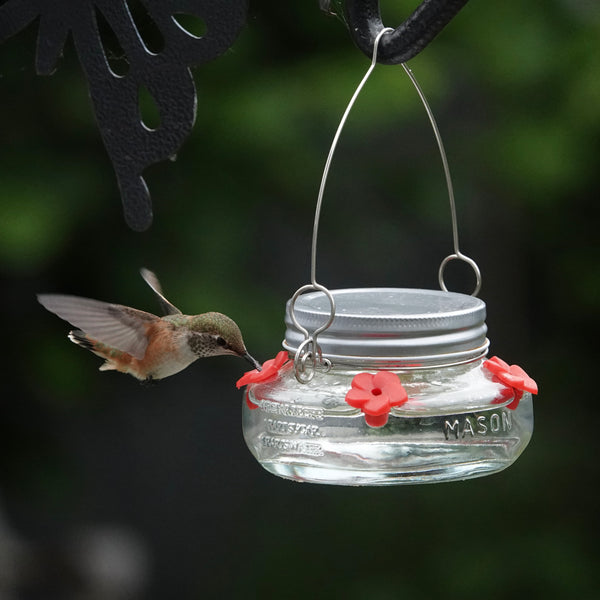
Are you wondering why hummingbirds are not coming to your feeder? It can be frustrating to set up a beautiful feeder and wait patiently, only to see no tiny visitors.
You might feel like something is wrong or that you’re missing a simple trick. The good news is, there are easy-to-understand reasons behind this. By learning what might be keeping hummingbirds away, you can make quick changes that bring these magical little birds back to your yard.
Keep reading, and you’ll discover the common mistakes and smart tips that will turn your feeder into a hummingbird hotspot.

Credit: www.birdwatchingdaily.com
Common Reasons Hummingbirds Avoid Feeders
Feeder placementmatters a lot. Feeders too close to windows may scare hummingbirds. Placing feeders near flowers can attract them better. Avoid busy or noisy areas. They prefer quiet and safe spots.
Using the wrong nectar recipekeeps hummingbirds away. Use four parts water to one part white sugar. Avoid red dye or honey, which can harm them. Change nectar every few days to keep it fresh.
Dirty feederscan stop birds from visiting. Mold or bacteria grow in old nectar. Clean feeders with hot water and brush often. Rinse well to remove all soap.
Predators nearbymake hummingbirds feel unsafe. Cats, large birds, or insects can scare them off. Keep feeders where predators can’t hide or reach easily.
Harsh weatherlike strong wind or cold can keep hummingbirds away. They visit more when weather is calm and warm. During storms, hummingbirds stay hidden to stay safe.

Credit: www.facebook.com
How Feeder Location Affects Visits
Placing a feeder in a quiet, visible spot can attract more hummingbirds. Avoid windy or shaded areas to keep them comfortable and safe.
Avoiding Busy Areas
Hummingbirds prefer quiet spots. Place feeders away from noisy streets or heavy foot traffic. This helps birds feel safe. They will visit more often if they do not feel scared.
Providing Shelter And Shade
Shade protects hummingbirds from heat and predators. Trees or bushes near feeders offer shelter. Keep feeders in spots with some shade during the day. This keeps birds comfortable and cool.
Visibility To Hummingbirds
Feeders should be easy to see. Bright colors attract hummingbirds. Place feeders where birds can spot them from far away. Clear views help hummingbirds find food quickly.
Nectar Preparation Tips
Correct sugar-to-water ratiois key for hummingbird nectar. Use one part white sugar to four parts water. Avoid brown sugar, honey, or artificial sweeteners as these can harm birds. Boil water first, then stir in sugar until it dissolves. Let the nectar cool before filling the feeder.
Avoiding artificial sweetenershelps keep nectar natural and safe. Hummingbirds prefer plain sugar water. Artificial sweeteners do not provide energy and may stop birds from visiting your feeder.
Changing nectar regularlyprevents mold and bacteria. Replace nectar every 2 to 3 days in hot weather and every 4 to 5 days in cooler weather. Clean the feeder thoroughly with hot water to keep it fresh and inviting.
Maintaining Clean Feeders
Dirty feeders can scare hummingbirds away. Regular cleaning stops mold and harmful bacteria from growing. Fresh nectar and a clean feeder invite more hummingbirds to visit.
Frequency Of Cleaning
Clean feeders every week. This keeps the nectar fresh. Dirty feeders can repel hummingbirds. Frequent cleaning helps prevent mold and bacteria. Fresh nectar attracts hummingbirds. They love clean places to eat.
Safe Cleaning Methods
Use warm water and soap. Avoid harsh chemicals. Rinse the feeder well. Dry it completely before refilling. Vinegar helps remove residue. Keep the feeder safe for birds. Be gentle while cleaning.
Signs Of Mold And Bacteria
- Black spots inside the feeder.
- Unusual smell from the nectar.
- Cloudy nectar is a bad sign.
- Floating particles in the liquid.
These signs indicate contamination. It’s important to clean immediately. Hummingbirds avoid contaminated feeders.
Deterring Predators
Predators near feeders scare hummingbirds away quickly. Keeping the area safe and quiet helps birds feel secure. Removing threats encourages hummingbirds to return and feed peacefully.
Common Threats To Hummingbirds
Hummingbirds face many dangers near feeders. Cats, larger birds, and insects can scare them away. Predators often hide nearby, waiting for a chance to catch the birds. These threats make hummingbirds avoid feeders to stay safe.
Using Decoys And Barriers
Placing fake owls or snakes near feeders can scare predators. Barriers like mesh or netting help keep animals away. This creates a safer space for hummingbirds to feed without fear.
Keeping Cats And Insects Away
Keep cats indoors or use collars to stop them from hunting. Use natural sprays to repel insects like ants and wasps. Clean feeders often to avoid attracting bugs and keep hummingbirds safe.
Timing And Seasonal Factors
Hummingbirds follow migration patternsthat change with the seasons. They may leave your area for warmer places. This means feeders might stay empty for weeks or months.
Local flowers also affect hummingbird visits. When flowers bloom, birds find food naturally. They might skip feeders if plenty of nectar is nearby. Flowering seasons vary by region and year.
Weather impacts hummingbird activitytoo. Cold, rainy, or windy days make birds less active. They stay hidden to save energy. Warm, sunny days encourage feeding at your feeder.
Attracting Hummingbirds Naturally
Planting native flowershelps attract hummingbirds. These flowers provide the nectar they love. Choose flowers with bright colors like red, orange, and pink. Tubular shapes are best for their long beaks. Native plants are easier to grow and support local wildlife.
Creating a bird-friendly habitat means offering shelter and food. Shrubs, trees, and vines give hummingbirds places to rest and hide. Avoid using pesticides as they can harm the birds and their food sources. A quiet and safe area encourages hummingbirds to visit often.
Providing fresh water sources is important. Hummingbirds like shallow water for drinking and bathing. Use a birdbath or a small fountain with moving water. Change the water daily to keep it clean. This helps keep hummingbirds healthy and coming back.

Credit: www.countryliving.com
Frequently Asked Questions
Why Are Hummingbirds Ignoring My Feeder?
Hummingbirds may ignore feeders with old nectar, wrong colors, or feeders placed in bad locations.
How Often Should I Clean My Hummingbird Feeder?
Clean feeders every 2-3 days to stop mold and bacteria that scare hummingbirds away.
What Nectar Mix Attracts Hummingbirds Best?
Mix 1 part sugar with 4 parts water; no red dye is needed for attraction.
Conclusion
Hummingbirds may skip feeders for many simple reasons. Fresh nectar, clean feeders, and quiet surroundings help attract them. Bright colors and proper feeder placement also make a big difference. Patience is key; birds take time to find new feeders. Keep trying small changes to see what works best.
Enjoy watching these tiny birds return to your garden soon. Their visits bring joy and life to any outdoor space.