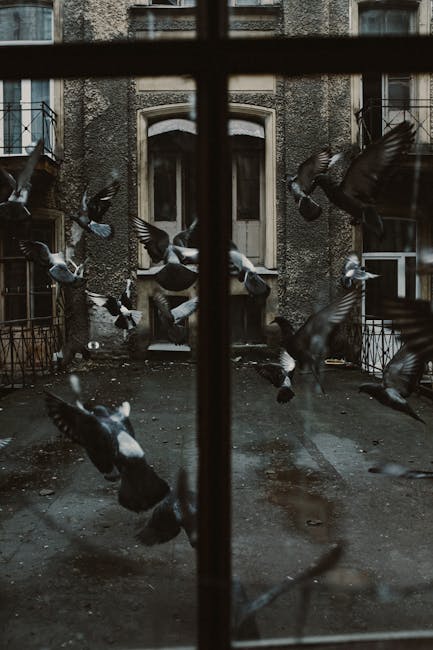
Have you ever wondered why birds often fly straight into glass windows? It’s a surprising and frustrating sight, especially when you care about protecting wildlife.
You might think birds should see the glass and avoid it, but the truth is more complicated. Understanding why birds can’t see glass will change the way you think about your home and the world outside your window. Keep reading, and you’ll discover the hidden reasons behind this puzzling behavior—and what you can do to help.
How Birds Perceive Their Environment
Birds see the world differently than humans do. Their eyes have more color receptors, so they can see ultraviolet light. This helps them spot food and mates.
Birds have better color and light sensitivity. This means they can notice small changes in colors and brightness. It helps them avoid danger and find shelter.
| Aspect | Birds | Humans |
|---|---|---|
| Color Sensitivity | See ultraviolet and more colors | See mostly visible spectrum |
| Depth Perception | Very sharp, helps in flying | Good, but less sharp than birds |
| Light Sensitivity | Can detect low light better | Less sensitive in low light |
Birds rely on their depth perceptionto judge distances while flying. Their eyes work together to give a clear 3D view. This helps them land safely and catch prey.

Credit: www.facebook.com
Properties Of Glass Affecting Bird Vision
Glass appears invisibleto birds because it is both transparentand reflective. Birds see the sky or trees reflected on glass, so they think it is open space. This causes birds to fly into windows by mistake.
Glass acts like a hidden barrier. Birds cannot recognize it as a solid object. They cannot hear or feel the glass before hitting it.
Environmental factors also change how birds see glass:
- Bright sunlight increases reflection, making glass look like the sky.
- Cloudy or dim light reduces reflections, but glass can still seem invisible.
- Nearby trees or plants reflected on glass confuse birds.
Common Bird Collisions With Glass
Birds often cannot see glass because it reflects the sky and trees. They think it is open space or a safe path. This causes many birds to fly into windows and glass doors. Collisions can hurt or kill birds.
Birds hit windows for several reasons:
- Clear glass looks like open air.
- Reflections show plants or sky, tricking birds.
- Lights at night confuse migrating birds.
These collisions have a big impact on bird populations. Many birds die from injuries caused by glass strikes. This lowers bird numbers, especially in cities.
Some places have more bird crashes than others:
- Buildings with large glass walls.
- Homes near trees and bushes.
- Urban areas with many lights at night.

Credit: www.discovermagazine.com
Techniques To Make Glass Visible To Birds
Birds cannot see glass because it reflects and transmits light, making it appear invisible to them. Adding visible patterns or decals helps birds recognize glass as a barrier and avoid collisions. Using these techniques reduces bird accidents near windows.
Window Treatments And Decals
Birds often fly into glass because they can’t see it. Window treatments and decals help make glass visible. Simple shapes can be placed on glass. These shapes catch a bird’s eye. Birds then avoid flying into the glass. Decals are easy to apply. They come in many designs and colors. Patterns can be dots or stripes. They work well for both small and large windows.
Use Of Uv Patterns
Some birds see ultraviolet light. UV patterns on glass make it visible to them. These patterns are invisible to humans. Special UV decals can be used on windows. They reflect light that birds can see. This helps birds to avoid glass. UV patterns are effective and safe. They protect birds without changing the view.
Architectural Design Solutions
Building design can help prevent bird collisions. Architectural solutions include angled glass. This glass reflects the ground instead of trees. Birds then see the ground and avoid it. Fritted glass is another option. It has a pattern baked into the glass. The pattern is visible to birds and humans. These solutions are part of bird-safe architecture.
Behavioral Adaptations And Learning
Birds often hit glass because they cannot see it as a solid barrier. Some birds learn from their collisions and avoid glass over time. Experience helps them recognize reflections and clear windows.
Different species show different learning abilities. Some quickly remember and change their behavior. Others may keep hitting glass despite many collisions.
- Repeated collisionsteach birds to be cautious.
- Experiencehelps some birds avoid glass in the future.
- Species vary in how well they learn from these events.
Future Research And Innovations
Future studies aim to find new ways to help birds recognize glass surfaces. Scientists explore materials and designs that make glass more visible to birds. These innovations could reduce bird collisions and protect wildlife.
Advances In Glass Technology
New glass types aim to make windows more visible to birds. Some use patterns or coatings that birds can see. These changes help reduce bird collisions. Scientists test these glasses in different environments to find the best options.
Studying Bird Vision Systems
Birds see colors and light differently than humans. Research focuses on how birds detect glass surfaces. Understanding bird vision helps design better windows. This knowledge guides the creation of safer buildings for birds.
Community Involvement And Awareness
- People learn how to protect birds from glass collisions.
- Communities share information about bird-safe glass options.
- Volunteers monitor bird strikes and report data.
- Efforts grow to make cities safer for birds.

Credit: www.instagram.com
Frequently Asked Questions
Why Do Birds Fly Into Glass Windows?
Birds cannot see clear glass. They think windows are open space or reflections of sky and trees.
Can Birds Recognize Glass As A Solid Object?
Most birds do not recognize glass as solid. They see reflections and try to fly through them.
How Can We Prevent Birds From Hitting Glass?
Use stickers, decals, or curtains on windows. These break reflections and help birds see the glass.
Conclusion
Birds often cannot see glass because it reflects and lets light pass through. This makes windows look like open spaces or sky to them. Many birds fly into glass, causing injuries or death. People can help by adding visible patterns or stickers on windows.
These marks break the reflection and alert birds to the glass. Understanding this problem can protect birds and keep them safe near buildings. Small changes can make a big difference in saving wildlife. Awareness is the first step toward safer spaces for birds.