Are black birds invading your garden or patio and causing a mess? You’re not alone, and you’re probably wondering how to keep them away without harming them.
Knowing what scares black birds away can save you time, protect your plants, and bring peace back to your outdoor space. You’ll discover simple, effective ways to discourage these birds from hanging around, using tricks that work with their natural instincts.
Keep reading, and you’ll learn how to reclaim your space quickly and easily.
Credit: www.callnorthwest.com
Common Black Bird Species
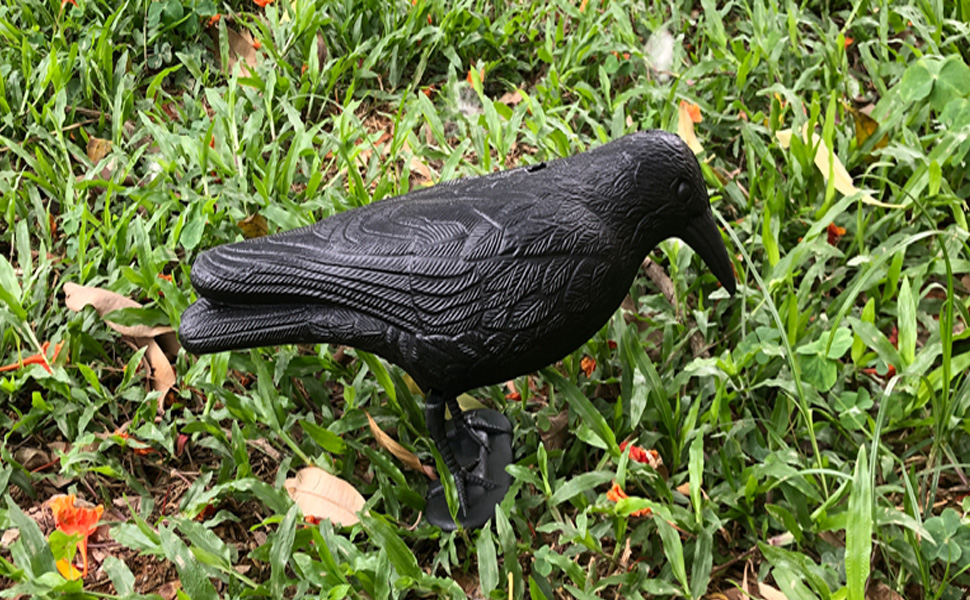
Loud noises and sudden movements often scare black birds away. Bright lights and shiny objects can also keep them at a distance. Predators like fake owls may help prevent black birds from staying nearby.
Types Of Black Birds
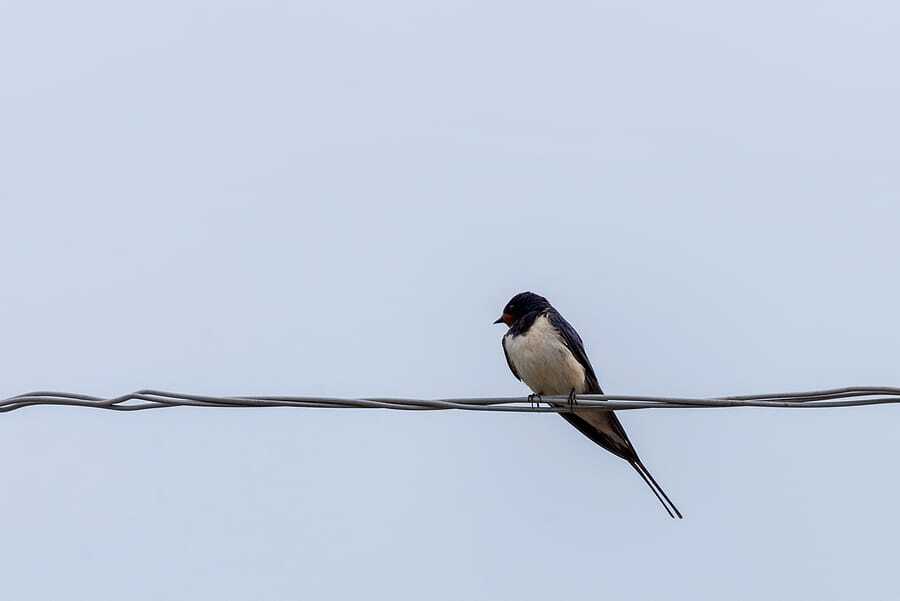
Many black birds share common traits but differ in size and shape. Some popular species include:
- American Crow– large, loud, very smart
- Common Grackle– shiny feathers, long tail
- European Starling– speckled in winter, noisy
- Blackbird– smaller, sings beautifully
Behavior Patterns
Black birds often gather in groups called flocks. They are very social and can be noisy. Most black birds eat seeds, insects, and small fruits. They like open areas and places with water nearby.
Many black birds are cautious around humans but can become bold if food is easy to find. They often use loud calls to warn others of danger.

Credit: www.amazon.ca
Natural Predators
Many animals scare black birds away. Hawks, owls, and foxesare some common predators. These animals hunt or threaten the birds. Their presence makes black birds feel unsafe.
Birds watch for predators to stay alive. They change their behavior to avoid danger. Black birds may fly away quickly or hide in trees.
| Predator | How It Scares Black Birds |
|---|---|
| Hawk | Hunts birds from the sky; black birds fly away fast. |
| Owl | Silent night hunter; black birds avoid night areas. |
| Fox | Stalks on the ground; birds stay in high places. |
Visual Deterrents
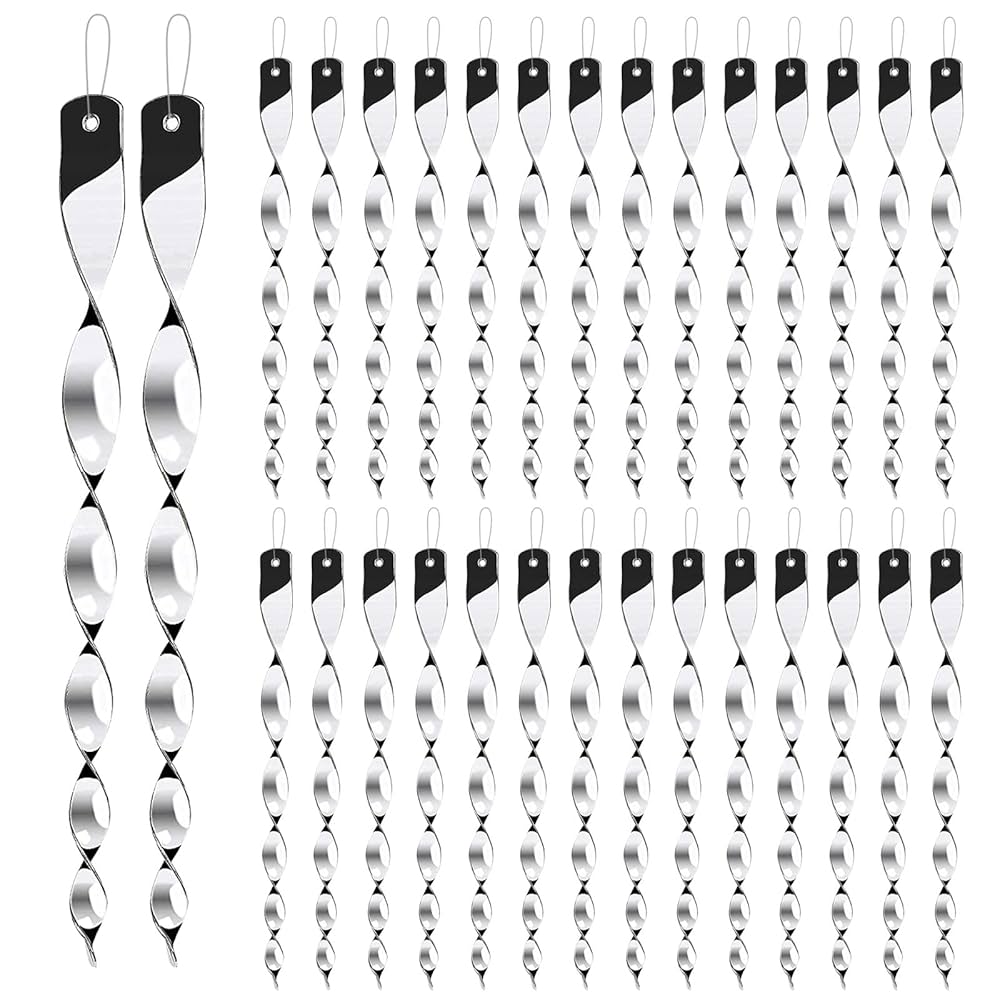
Reflective objects and shiny surfaces often frighten black birds away. Moving items like scarecrows or fluttering ribbons create visual signals that keep birds at a distance. Bright colors and sudden movements work well as natural bird deterrents.
Scarecrows are like human statues. They stand in fields to scare birds. Farmers use them to protect crops. Decoys are fake animals. They look like owls or hawks. Birds think they are real and stay away. Both scarecrows and decoys are simple and effective. They need to be moved often. This keeps birds from getting used to them. Reflective objects can be shiny CDs or mirrors. They catch the sun and flash light. Birds don’t like the bright flashes. It confuses and frightens them. Flashing lights work in a similar way. They can be solar-powered for ease. These tools are useful and easy to set up. They help keep black birds away from gardens and fields. `Auditory Deterrents
Auditory deterrents like loud noises or distress calls can effectively scare black birds away. These sounds create an uncomfortable environment, discouraging birds from settling.
Bird Distress Calls
Bird distress callsare sounds that signal danger to birds. These calls make black birds feel unsafe and encourage them to leave the area quickly. Using recorded distress calls can be an effective way to keep birds away without harming them.
Loud Noises And Their Effects
Loud noisessuch as claps, bangs, or alarms can scare black birds away. Sudden, sharp sounds startle birds and make them fly off. Continuous loud sounds are less effective because birds get used to them over time.
- Distress calls mimic real danger signals.
- Loud noises create fear and confusion.
- Both methods work best when sounds are random.
- Overuse can cause birds to ignore sounds.
Chemical Repellents
Chemical repellentsare useful to keep black birds away without harming them. Non-toxic spraysare safe for plants and pets. They create a smell or taste that birds dislike. These sprays need reapplying after rain or watering. Many stores sell ready-made options that are easy to use.
Homemade repellent optionsuse simple ingredients found at home. Vinegar mixed with water can scare birds. Garlic spray is another option that birds avoid. Some people use chili pepper mixed with water to make a hot spray. These solutions are cheap and safe. Spraying them on garden plants or outdoor areas helps keep birds away.
Habitat Modification
Removing food sourcesis key to keeping black birds away. Clear fallen fruits, seeds, and scraps from your yard. Use bird-proof containers for trash and compost. Avoid feeding birds or leaving pet food outside.
Altering nesting areascan discourage birds from settling nearby. Trim tree branches and shrubs that birds like for nests. Seal holes and gaps in buildings to block entry. Keep your outdoor space clean and tidy to reduce attraction.
Technology Solutions
Ultrasonic devicessend high-frequency sounds that birds cannot stand. These sounds are mostly silent to humans but annoying to birds like black birds. They help keep birds away from yards and gardens without harming them.
Motion-activated systemsdetect bird movement and trigger a response. This response can be a loud noise, flashing lights, or water spray. Sudden actions scare birds quickly and stop them from coming back.
- Ultrasonic devices work quietly and continuously.
- Motion systems act only when birds appear.
- Both methods avoid using chemicals or traps.
- Safe and easy to install in many places.
Effective Bird Control Strategies
Loud noises and shiny objects often scare black birds away. Using fake predators like owls or hawks can keep them distant. Moving these deterrents regularly helps maintain their effectiveness.
Combining Methods
Using more than one method works best to keep black birds away. Visual repellents like shiny objects or scarecrows can frighten birds at first. Sound devices that mimic predator calls add extra fear. Physical barriers such as nets or spikes stop birds from landing. Combining these methods makes it harder for birds to get used to one type of scare.
Timing And Persistence
Start bird control early, before nests form. Birds learn quickly and ignore scares if they come too late. Keep changing the scare tools often to avoid bird habit. Stay consistent every day, especially during feeding times. Patience and persistence help keep black birds away for long time.
Ethical Considerations
Humane treatment is very important when scaring black birds away. Avoid using harmful chemicals or traps that can injure birds. Use gentle methods like visual deterrents or noises that do not hurt them. Respect for wildlife helps keep the environment balanced.
Legal regulations protect birds and their habitats. Many places have laws against harming certain bird species. Check local rules before using any bird control methods. Following the law ensures you avoid fines and protect nature.
| Humane Treatment | Legal Regulations |
|---|---|
| Avoid harmful chemicals and traps | Know protected bird species in your area |
| Use safe visual or sound deterrents | Follow local wildlife protection laws |
| Respect wildlife and their habitats | Obtain permits if required |
Credit: www.amazon.ca
Frequently Asked Questions
What Noises Scare Black Birds Away Effectively?
Loud noises like clapping, banging, or recorded predator calls can scare black birds. These sounds startle them and encourage flight.
Do Reflective Objects Keep Black Birds From Landing?
Yes, shiny objects like mirrors, CDs, or reflective tape disorient black birds. They avoid areas with sudden light flashes.
Can Predator Decoys Deter Black Birds?
Predator decoys such as owls or hawks can scare black birds. Moving decoys increase their effectiveness by mimicking real threats.
Are Homemade Bird Scarers Safe For Gardens?
Homemade scarers like scarecrows or noise makers are safe. They help reduce black bird presence without chemicals or harm.
Conclusion
Black birds avoid places that feel unsafe or strange. Bright lights, loud noises, and shiny objects often keep them away. Using these simple tricks can protect your garden or home. Remember, consistency matters. Keep changing your methods to stop birds from getting used to them.
Patience will bring good results over time. Try different ideas and see what works best for you. Safe, bird-free spaces are possible with some effort.