Are birds causing trouble around your home or garden? You’re not alone.
Finding the right way to keep them away can feel tricky. You want a solution that works quickly, is safe, and doesn’t harm the birds. But with so many options out there, how do you know which bird deterrent is truly the most effective?
You’ll discover proven methods that actually work to protect your space. Keep reading to find the best way to stop unwanted birds for good.
Common Bird Problems
Birds can cause many problemsin homes and gardens. They often build nests in unwanted places. Their droppings can damage buildings and make areas dirty. Birds may eat seeds and fruits from gardens, harming plants. Noise from birds can disturb people, especially early in the morning. Some birds carry diseases that can affect humans and pets. Pigeons and seagulls are common nuisance birds in cities. They tend to gather in large groups, making the problem worse. Bird damage can be costly to fix and clean up. Protecting property and plants from birds is important for many people.

Credit: www.amazon.ca
Visual Deterrents
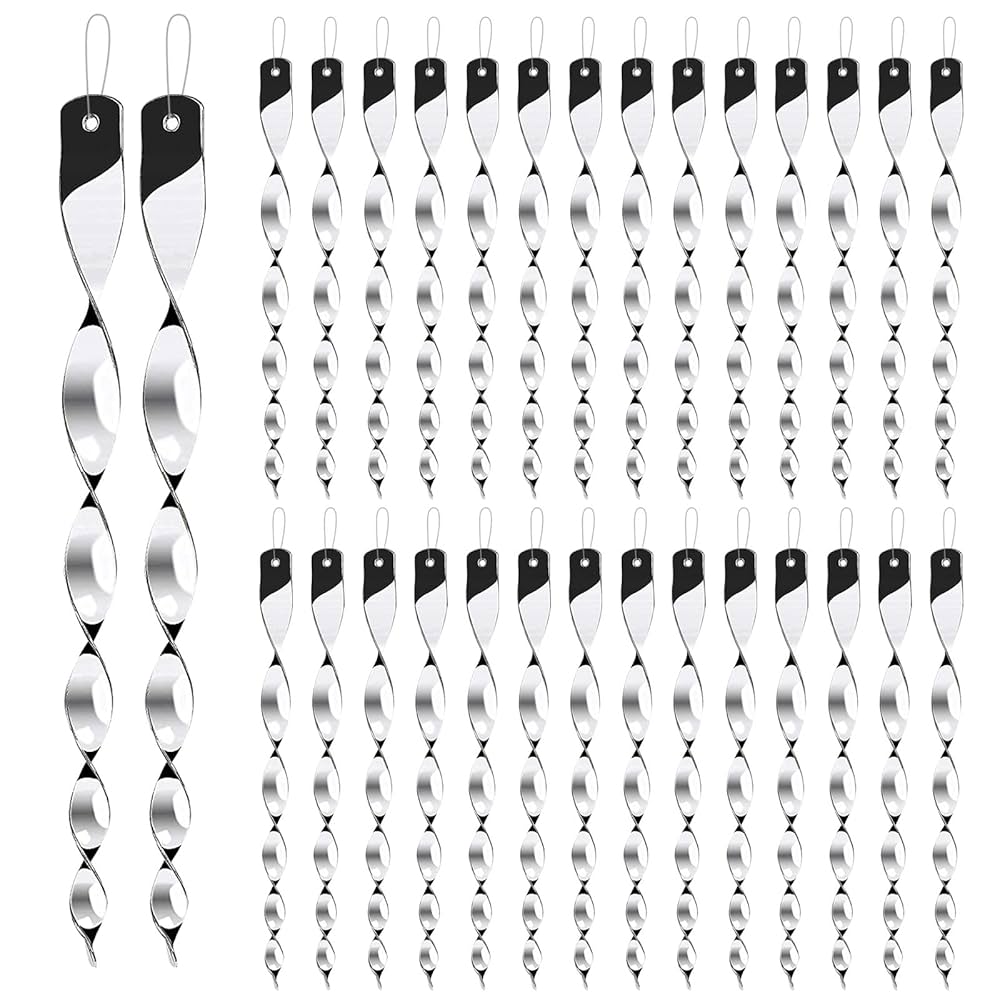
Reflective devicesuse light to scare birds away. They often include shiny tapes, CDs, or mirrors. These items flash bright light and create quick movements. Birds find this confusing and avoid the area.
Predator decoyslook like real animals that hunt birds. Common decoys are owls, hawks, or snakes. Birds see these and feel unsafe. This makes them stay away from gardens or buildings. It’s important to move decoys sometimes. This keeps birds from getting used to them.
- Reflective tapes shine in sunlight or flashlight.
- Hanging CDs spin and flash light.
- Plastic owls or hawks placed in visible spots.
- Changing decoy positions often for best effect.
Auditory Deterrents
Auditory deterrents use sounds to keep birds away from certain areas. Loud noises or distress calls make birds feel unsafe, helping to protect gardens or buildings. These sounds are effective because birds want to avoid danger.
Sound Emitters
Birds get scared by loud noises. Some devices make these sounds. These sound emitters can be very effective. They play noises that birds dislike. Sounds like predators or distress calls. These noises keep birds away. They feel unsafe and fly off quickly. It’s important to change the sounds often. Birds get used to the same sound. Then they stop being scared. Regularly update the sounds to keep birds away.
Ultrasonic Devices
Ultrasonic devices make high-pitched sounds. These sounds are too high for humans. Birds hear them and dislike them. They keep birds away from certain areas. These devices are quiet for people. But birds hear and feel the sound. They fly away to find quieter places. It’s a good way to protect gardens. These devices help keep birds out of farms too.

Credit: www.amazon.ca
Physical Barriers
Physical barriers like nets, spikes, and wires block birds from landing or entering spaces. These tools create an effective shield that keeps birds away safely and humanely. Many use them to protect gardens, roofs, and other areas from bird damage.
Netting And Spikes
Nettingacts like a shield. It stops birds from reaching fruits or rooftops. Nets are light and easy to install. They keep birds away without hurting them. Spikesare sharp strips fixed on ledges or signs. Birds find it hard to land there. These spikes do not harm birds but make landing uncomfortable.
Wire Systems
Thin wires can be stretched over areas where birds like to perch. Birds feel unstable and avoid these spots. Wire systems are good for balconies and fences. They are hard to see and keep the place neat.
Chemical And Natural Repellents
Scent-based repellentsuse smells birds dislike to keep them away. These often include natural oils like peppermint or citronella. Birds find these scents unpleasant and avoid the area. They are safe for people and pets but need to be reapplied after rain. Scent repellents work best in small spaces or gardens.
Taste deterrentsmake surfaces unpleasant for birds to eat or land on. These are usually sprays with bitter or spicy flavors. Birds learn to avoid treated areas because they do not like the taste. Taste deterrents are often used on fruits, seeds, or outdoor furniture. They do not harm birds but protect plants and property.

Credit: www.amazon.ca
Frequently Asked Questions
What Bird Deterrent Works Best For Large Outdoor Areas?
Ultrasonic bird repellents are effective for wide spaces. They emit sounds birds dislike, keeping them away without harm.
How Do Reflective Bird Deterrents Prevent Bird Problems?
Reflective surfaces scare birds by confusing their vision. Items like shiny tapes or CDs create light flashes that birds avoid.
Can Natural Bird Deterrents Protect Gardens Effectively?
Yes, natural methods like planting certain herbs or using decoy predators can reduce bird visits in gardens.
Conclusion
Choosing the right bird deterrent depends on your specific needs. Some methods work better for certain birds or locations. Physical barriers like spikes block birds from landing. Sound devices scare birds away without harming them. Reflective objects confuse birds and keep them moving.
Combining different techniques often gives the best results. Remember to check local rules about bird control. Keep trying until you find what works for you. Protect your space while respecting nature. Effective bird deterrents help keep your property clean and safe.