Have you ever wondered what bird represents Louisiana? Knowing the state bird can give you a special connection to the culture and nature around you.
This little creature is more than just a symbol—it tells a story about Louisiana’s unique environment and history. If you want to discover which bird holds this honor and why it matters to you, keep reading. You might be surprised by what you learn about Louisiana’s feathered friend.
Louisiana’s Official Bird
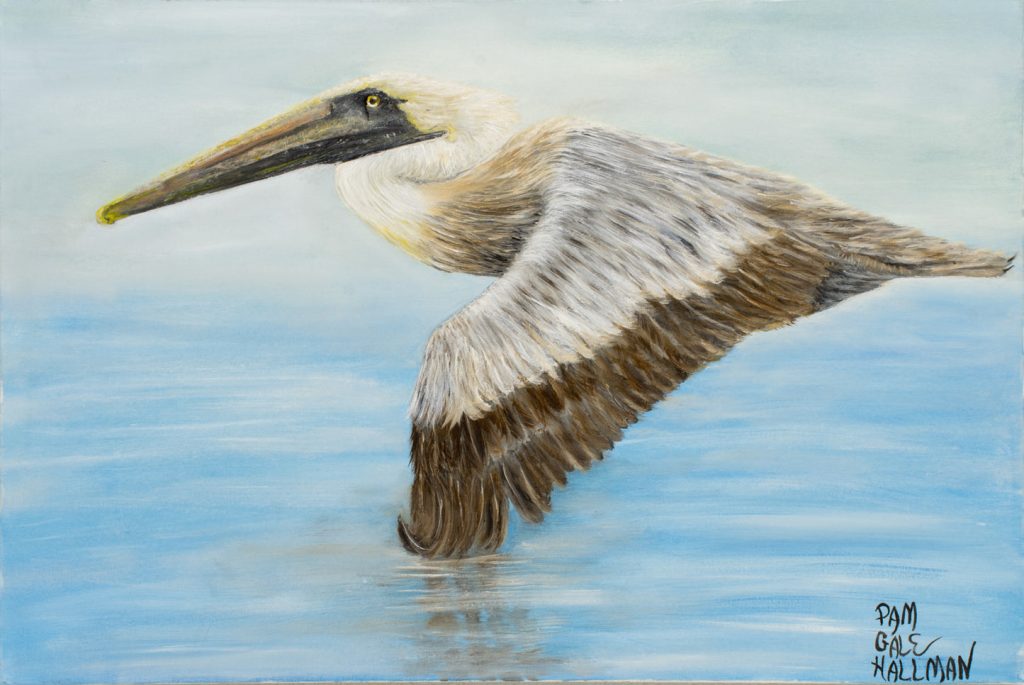
The official bird of Louisiana is the Brown Pelican. This bird is very special to the state. It lives near the coast and big rivers. The Brown Pelican is easy to spot because of its large size and long beak.
It was chosen as the state bird in 1966. This bird symbolizes protectionand carebecause of how it feeds its young. The Brown Pelican dives into the water to catch fish. It is a strong swimmer and flyer.
- Color:Brown and white feathers
- Size:Large with a wingspan up to 7 feet
- Habitat:Coastal areas and wetlands
- Diet:Mainly fish
Credit: www.alabamaheritage.com
Physical Features And Appearance
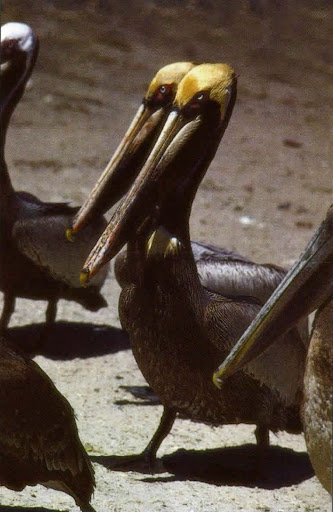
The Louisiana state bird is the Brown Pelican. It has a large body and a very long beak with a pouch. Its feathers are mostly brown and gray. The bird’s throat pouch is a pale yellow color, especially during breeding season.
Brown Pelicans have a wingspan of about 6 to 7 feet. Their wings help them glide smoothly over water. They have webbed feet that make swimming easy. Their eyes are sharp for spotting fish in the water.
- Size:Large, about 4 feet long
- Color:Brown, gray, and yellow throat pouch
- Beak:Long with a big pouch
- Wingspan:6 to 7 feet wide
- Feet:Webbed for swimming
Habitat And Behavior
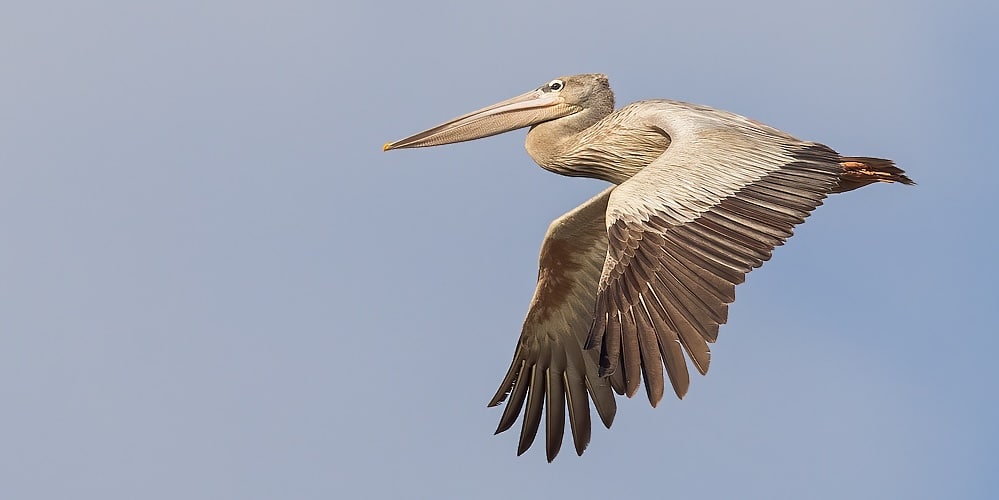
The Brown Pelicanis the Louisiana State Bird. It loves coastal areas. These birds are often seen near the water. They have big wings and fly gracefully.
Brown Pelicans hunt for fish. They dive into the water to catch them. This bird builds nests near beaches. They use sticks and grass for nests. Brown Pelicans live in groups. They are social birds.
These birds use their long beaks to catch food. They have a pouch under their beak. The pouch helps them hold fish. Brown Pelicans are very skilled hunters.
Credit: fatbirder.com
Cultural Significance In Louisiana
The Louisiana State Bird, the brown pelican, holds great cultural importance. It is a symbol of strengthand resiliencefor the people of Louisiana. The bird appears on the state flag and seal, showing its deep connection to the state’s identity.
Many locals feel proud of the brown pelican because it survived near extinction. It represents hope and the power of nature to recover. The bird is often seen along the coast, reminding people of Louisiana’s rich coastal heritage.
- Symbol of coastal protection
- Represents wildlife conservation efforts
- Part of local art and stories
- Important to fishing communities
Conservation And Protection Efforts
The Louisiana state bird, the Brown Pelican, faces many challenges. Protecting its homes is very important. Wetlands and coastal areas are kept safe to help them live well.
People work hard to stop pollution and keep water clean. Laws prevent hunting of these birds. Wildlife groups watch the bird populations closely. They help injured pelicans and release them back to nature.
- Preserving wetlands and coastal habitats
- Reducing pollution in water and air
- Enforcing laws against hunting
- Rescuing and rehabilitating injured pelicans
- Monitoring bird populations for health

Credit: en.wikipedia.org
Frequently Asked Questions
What Is The Louisiana State Bird Called?
The Louisiana state bird is the Brown Pelican, known for its large bill and graceful flight.
Why Was The Brown Pelican Chosen As Louisiana’s State Bird?
It was chosen for its strong presence along Louisiana’s coast and its role in local wildlife.
Where Can You Commonly See The Louisiana State Bird?
Brown Pelicans are often seen near Louisiana’s beaches, marshes, and coastal wetlands.
Conclusion
The Louisiana state bird is a symbol of the state’s nature. It shows the beauty and life found in Louisiana. People enjoy spotting this bird in parks and forests. It helps connect residents with their environment. Knowing this bird brings pride and joy to many.
It also teaches us about local wildlife and nature. Next time you visit Louisiana, watch for this special bird. It’s part of what makes the state unique and alive.