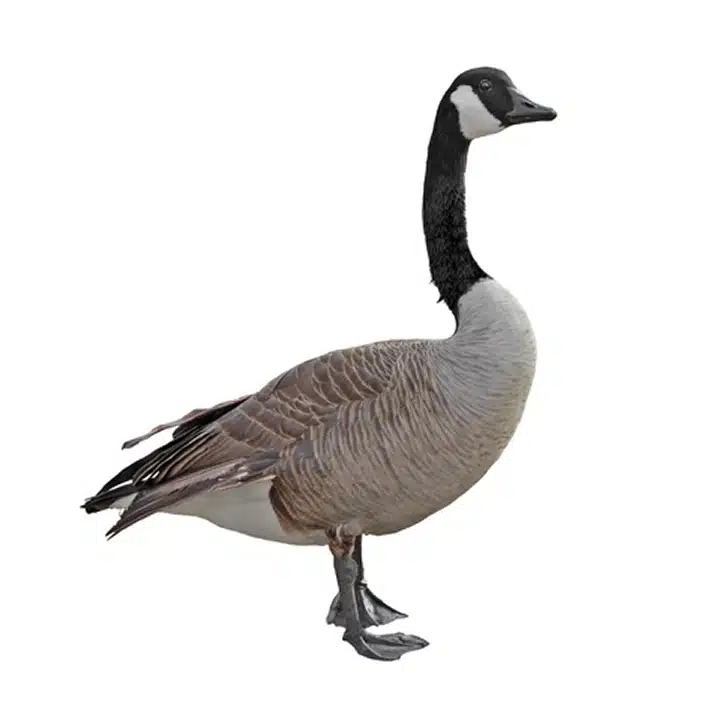
Have you ever wondered what makes the Canadian bird so special? Whether you’re a nature lover or just curious, discovering this bird can open your eyes to Canada’s rich wildlife.
You might be surprised by how this bird connects with the country’s culture and natural beauty. Keep reading to learn fascinating facts that will change the way you see Canada’s skies. Your next outdoor adventure might just start with spotting this incredible bird!
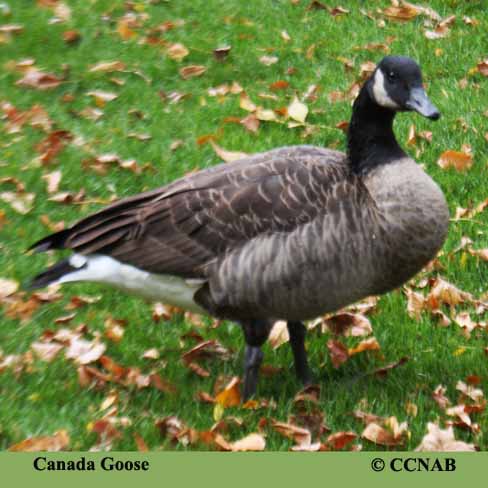
Credit: www.birds-of-cuba.com
Iconic Canadian Birds
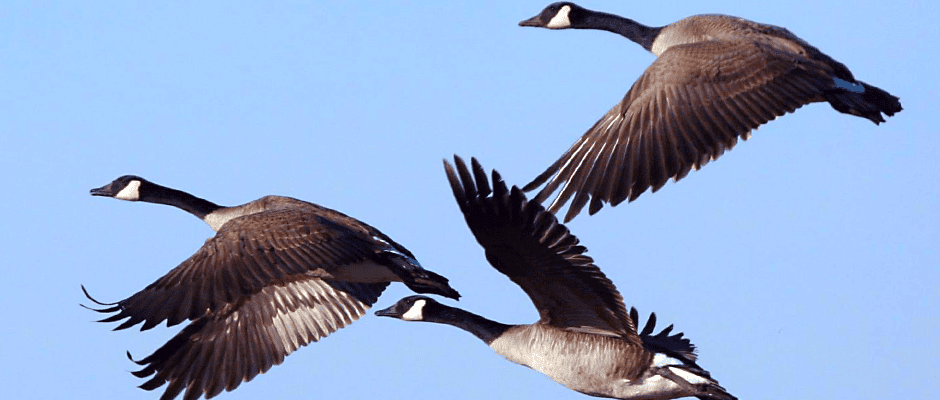
Canada has many famous birdsthat people love to see. The Common Loonis special. It is on the Canadian quarter coin. Its call sounds like a ghost in the night. The Canada Gooseflies in a V-shape and is very strong. It is a symbol of Canada’s wild nature.
The Black-capped Chickadeeis small but very brave. It stays in cold weather and is easy to spot. The Snowy Owlis white and big. It lives in the cold north and hunts at night.
- Common Loon– known for its eerie call.
- Canada Goose– strong flyer and very common.
- Black-capped Chickadee– small, friendly, and brave.
- Snowy Owl– large, white, and hunts at night.
The Common Loon
The Common Loon is a striking Canadian bird known for its eerie calls and black-and-white feathers. It lives on lakes and is a skilled diver, catching fish underwater. This bird symbolizes wilderness and peaceful nature across Canada.
Habitat And Range
The Common Loonlives near clear lakes and ponds. It prefers areas with clean water. You can find it in Canada, especially in the northern and central parts. In summer, it stays in freshwater lakes. In winter, it moves to the sea coasts. It needs quiet places to build nests. Trees and bushes near water help protect its home.
Distinctive Calls
The loon’s calls are very uniqueand loud. It has three main sounds:
- Wail:Long and haunting, used to find mates or warn.
- Tremolo:A trembling, laugh-like sound for alarm or excitement.
- Yodel:A complex call only made by males to defend territory.
These calls carry far across water. They help loons stay connected. People often say these sounds are the voice of the wild.
Symbolism Of Birds In Canada
Birds hold a special place in Canadian culture. They often stand for freedom, hope, and the beauty of nature. The Canada Gooseis a well-known symbol, showing loyaltyand the spirit of migration. Many birds also remind people of peaceand strength. They connect us to the land and seasons.
Indigenous groups see birds as messengersfrom the spirit world. They teach lessons about lifeand respect. Birds are often part of stories that explain nature and human values.
- Freedom:Birds flying high represent freedom.
- Hope:Their songs bring hope and joy.
- Strength:Some birds show power and courage.
- Connection:Birds link humans to nature and seasons.
Credit: wildlife.org
Birdwatching Hotspots In Canada
Canada hosts a rich variety of birds found in diverse habitats across the country. The Canadian bird includes species like the common loon and the snowy owl. Birdwatching hotspots offer great chances to see these beautiful birds up close.
National Parks
Canada’s national parks are perfect for bird lovers. Banff and Jasper offer stunning views and birds. Rare species can be seen in these parks. Birds like the Harlequin Duck and Boreal Owl live here. These parks have trails for easy birdwatching. Bring binoculars for better views. Listen for bird songs early in the morning.
Migratory Routes
Canada is on many bird migratory routes. Birds travel here each year. The Pacific Flyway is a key path. Thousands of birds pass through. Look for Sandhill Cranes and Snow Geese here. Birds rest and feed during migration. Watch them in fields and wetlands. Early spring is the best time for birdwatching.
Conservation Efforts
Many Canadian birds face threats like habitat loss and pollution. Protecting these threatened speciesis vital for nature’s balance.
Efforts include creating safe spaces such as reserves and parks. Laws also help stop hunting and protect bird homes.
Communities play a big role too. People join groups to watch birds and share information. They help clean habitats and plant trees.
Schools teach kids about birds and why they matter. Volunteers count birds to track their numbers. This helps scientists know which birds need help.
Working together makes a strong team for bird conservation. Every small act counts towards saving these beautiful creatures.

Credit: birdfact.com
Birds In Canadian Culture
The Canadian bird, the common loon, is a symbol of wilderness and peace. Its haunting call echoes across lakes, linking nature to Canada’s culture. Many Canadians cherish this bird for its beauty and significance.
Folklore And Stories
Birds hold a special place in many Canadian stories. They often symbolize freedom, wisdom, and nature’s spirit. Indigenous peoples tell tales about birds like the raven, which is known as a tricksterand a creator. These stories teach lessons about life and respect for nature. The loon, Canada’s national bird, appears in legends as a guideand protectorof the lakes.
Art And Media
Birds inspire many Canadian artists. You can see them in paintings, carvings, and prints. They represent beautyand the wild landscape. Birds also appear in songs and poems, showing their importance in daily life. Their images remind people to care for the environment and respect wildlife.
Frequently Asked Questions
What Is The National Bird Of Canada?
The national bird of Canada is the Canada Goose. It symbolizes strength and loyalty.
Why Is The Canada Goose Important To Canada?
It represents Canada’s natural beauty and is common across the country’s lands.
Where Can You See Canadian Birds Most Often?
Canadian birds are found in forests, lakes, parks, and wetlands all over Canada.
Conclusion
The Canadian bird holds a special place in nature. It shows the beauty and diversity of Canada’s wildlife. Many people enjoy watching and learning about these birds. They connect us to the outdoors and remind us to protect nature. Knowing about the Canadian bird helps us appreciate our environment more.
It invites everyone to explore and enjoy the wonders around us. This bird is more than a symbol; it is part of Canada’s heart and soul.