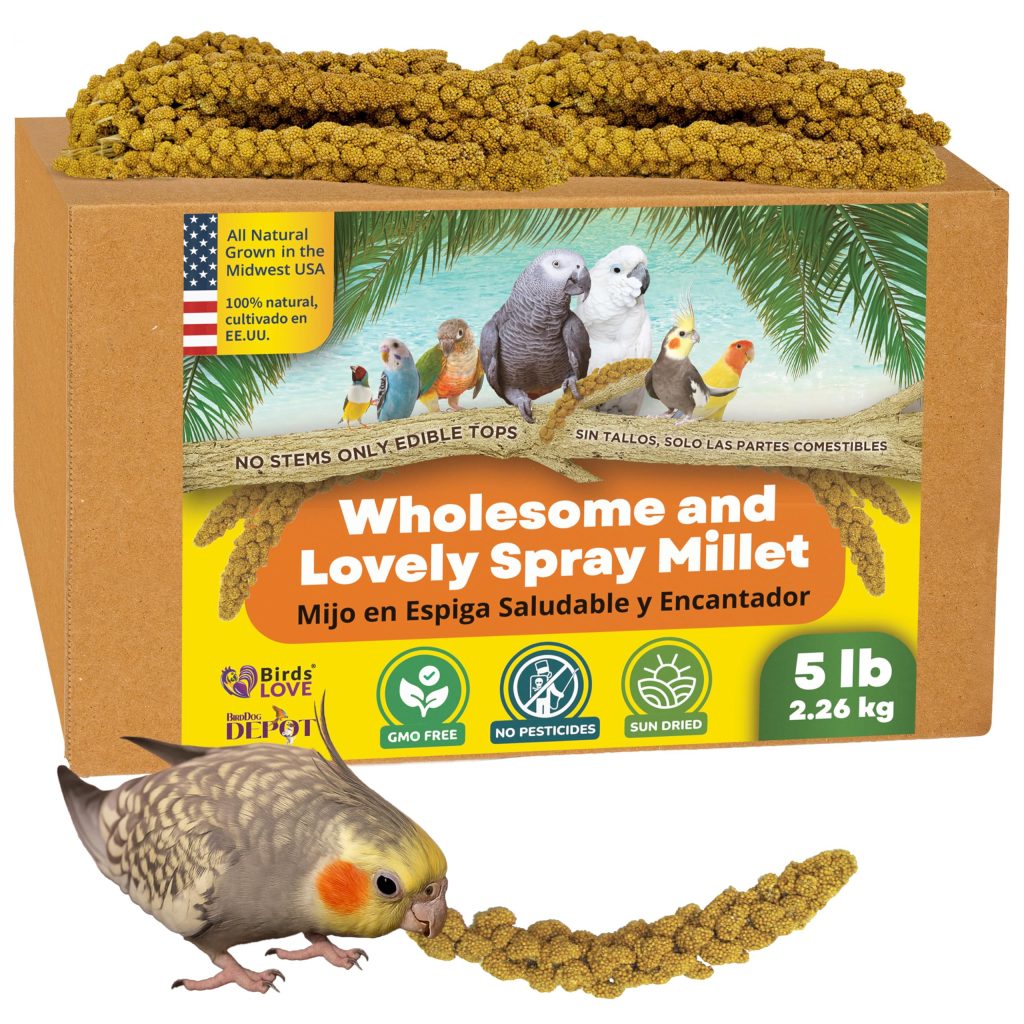
Are you looking for the perfect snack to keep your feathered friends happy and healthy? Millet for birds might be just what you need.
This tiny seed is packed with nutrients that can boost your bird’s energy and well-being. But what exactly is millet, and why do so many bird owners swear by it? Keep reading to discover how millet can make a real difference in your bird’s diet—and why your birds will love it too.
Millet Varieties For Birds
Milletis a favorite seed for many birds. It comes in several types, each with unique features. Birds enjoy millet for its small size and easy-to-eat texture.
- White Proso Millet:Most common, loved by finches and canaries.
- Foxtail Millet:Has a sweet taste, preferred by small birds.
- Finger Millet:Slightly larger, good for parrots and larger birds.
- Japanese Millet:Soft and easy to digest, great for young birds.
Each millet type varies in nutrients. Some have more protein, others more fiber. Birds need a mix for balanced health.
| Millet Type | Protein (%) | Fiber (%) | Best For |
|---|---|---|---|
| White Proso | 11 | 2.3 | Small Birds |
| Foxtail | 12 | 1.8 | Finches, Canaries |
| Finger | 7 | 3.6 | Parrots, Larger Birds |
| Japanese | 10 | 2.0 | Young Birds |

Credit: www.amazon.com
Health Benefits Of Millet
Milletis packed with important nutrients for birds. It has proteins, which help build strong muscles. Birds also get vitaminslike B-complex and minerals such as magnesium and phosphorus. These support healthy bones and feathers.
Small seeds like millet are easy for birds to eat and digest. This makes millet a great food to keep them healthy and active.
- Boosts immunityby providing antioxidants that fight sickness.
- Helps birds stay energeticthroughout the day.
- Supports a strong immune systemto resist infections.
- Contains fiber, which aids in good digestion.
How Birds Eat Millet
Birds enjoy eating milletin small clusters. They often peck at the seeds gently. Some birds prefer to hold millet sprays in their feet while eating. Others eat directly from feeders filled with loose millet seeds.
Preferred feeding methodsinclude hanging millet sprays on branches or placing loose millet in trays. Millet sprays mimic natural seed clusters, attracting many bird species. Loose millet is good for ground feeders and small birds.
| Season | Eating Habits |
|---|---|
| Spring | Birds eat more millet to gain energy for nesting. |
| Summer | Millet is a common snack during warm days. |
| Fall | Birds store energy by eating more millet. |
| Winter | Millet provides vital nutrition in cold weather. |

Credit: www.amazon.com
Millet In Bird Diets
Milletis a small, round seed often used in bird diets. It is easy to digest and full of energy. Birds enjoy millet because it is tasty and soft. It provides important nutrients like carbohydratesand some protein.
Balancing millet with other seeds is important. Too much millet can lead to a lack of variety. Mix it with seeds like sunflower, safflower,and canary seeds. This helps birds get a wide range of nutrients for health and energy.
| Bird Species | Millet Preference |
|---|---|
| Finches | High – Millet is a favorite |
| Parakeets | Moderate – Enjoy millet occasionally |
| Canaries | High – Millet is essential |
| Budgerigars | Moderate – Millet is part of diet |
Growing Millet For Birds
Millet for birds is a small seed that many birds love to eat. It provides good nutrition and energy for wild and pet birds. Growing millet can attract birds to your garden naturally.
Planting Tips
Millet seeds need warm soil to grow. Choose a sunny spot for planting. Space the seeds about 2 inches apart. Water the seeds gently every day. Keep the soil moist but not soaked. Use a light mulch to protect young plants. Millet grows best in sandy soil.
Harvesting And Storage
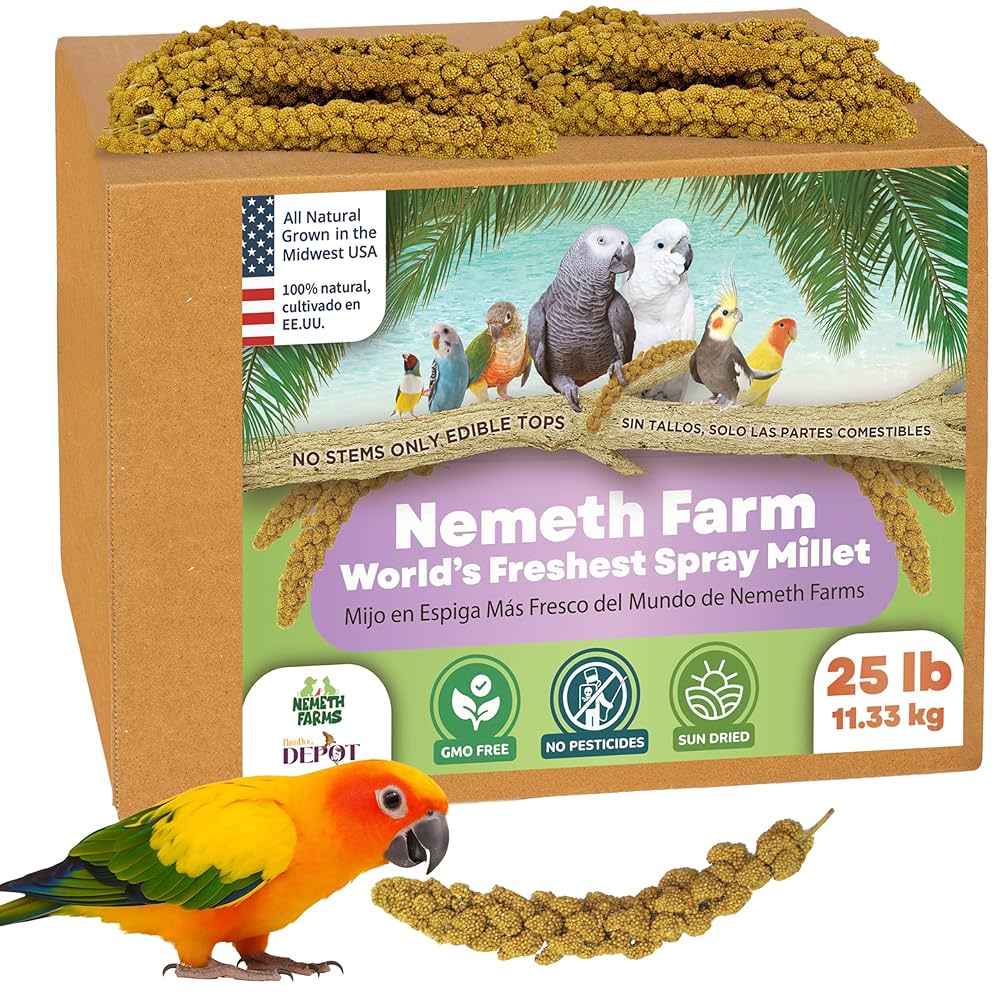
Millet is ready to harvest when the heads turn golden. Cut the stalks with sharp scissors. Dry the stalks in a cool, dry place. Store dried millet in a paper bag. Keep the bag in a dry cupboard. Label the bag with the date of harvest. Use the millet within six months.
Credit: www.amazon.com
Buying And Storing Millet
Quality milletlooks clean and free from dust. It should have a fresh smelland no mold. Choose millet that is bright in colorand not faded. Avoid millet with broken seeds or foreign particles.
Store millet in a cool, dry place. Use airtight containers to keep it fresh. Avoid exposure to sunlight and moisture. Proper storage helps keep millet nutritious and safefor birds.
Frequently Asked Questions
What Types Of Millet Are Best For Birds?
Small seeds like white proso, foxtail, and red millet are popular and nutritious for birds.
Why Do Birds Like Millet Seeds?
Millet seeds are easy to eat, high in energy, and taste good to many bird species.
Can Millet Improve Wild Bird Health?
Yes, millet provides essential nutrients that support bird growth and boost their energy levels.
Conclusion
Millet is a healthy and natural food for many birds. It provides energy and important nutrients. Birds enjoy eating millet seeds daily. Adding millet to bird feed helps keep them strong. It also encourages birds to visit your garden. Knowing what millet is helps you care for birds better.
Simple and nutritious, millet supports bird health well. Try offering millet to see happy, active birds around.