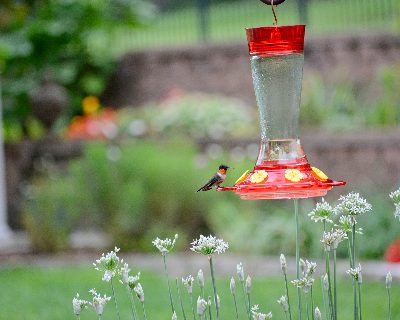
Have you ever wondered what makes hummingbirds buzz with so much energy? If you’ve seen these tiny birds darting around your garden, you might be curious about what they eat.
Knowing exactly what hummingbird food is can help you attract these fascinating creatures right to your backyard. You’ll discover the simple secrets to feeding hummingbirds and why the right food matters for their health and happiness. Keep reading to learn how you can create the perfect meal that keeps these little wonders coming back again and again.
Types Of Hummingbird Food
Hummingbirds get their food mainly from natural nectar sources. Flowers like trumpet vine, bee balm, and columbine have sweet nectar that attracts them. These flowers provide energy and nutrients.
Homemade sugar water recipesare simple to make. Mix 1 part white sugar with 4 parts water. Boil the water, then stir in the sugar until it dissolves. Let it cool before filling feeders. Avoid using honey or artificial sweeteners as they can harm birds.
Commercial hummingbird feederscome in many shapes and sizes. They are easy to use and clean. Some have built-in ant moats or bee guards to protect the nectar. Choose a feeder that is easy to fill and wash regularly to keep birds safe.

Credit: www.countryliving.com
Best Flowers To Plant
Native flowersoffer the best food for hummingbirds. These plants grow naturally in your area and attract many birds. Choose flowers like bee balm, columbine, and trumpet vine. They provide nectar that hummingbirds love.
Bright colorsare important. Hummingbirds prefer red, orange, and pinkflowers. These colors catch their eye quickly. Planting flowers with these shades helps bring hummingbirds to your garden.
For seasonal blooms, pick flowers that bloom at different times. This provides food all year. Early bloomers include azaleas and tulips. Summer flowers like salvia and petuniaskeep hummingbirds fed. Late bloomers such as goldenrod and astershelp in fall.
Feeder Placement Tips
Hummingbird food is a simple sugar water mix that attracts these tiny birds. Place feeders in shaded, quiet spots to keep the nectar fresh and inviting. Keep feeders clean to protect hummingbirds from harmful bacteria.
Ideal Locations
Choose spots where hummingbirds feel safe. Place feeders near flowers, as they attract birds. Avoid putting feeders in windy areas. Birds struggle to feed in strong winds. Hang feeders under tree branches for shade. This keeps the nectar cool. Position feeders where you can see them easily. Watching hummingbirds is fun!
Avoiding Predator Risks
Keep feeders away from cats and large birds. Predators scare hummingbirds away. Elevate feeders above ground level. This helps protect birds from danger. Use feeders with perches. Birds can rest while feeding safely. Make sure feeders are visible to hummingbirds but hidden from predators.
Maintaining Cleanliness
Clean feeders often to prevent mold. Dirty feeders can harm birds. Use warm water and soap. Rinse thoroughly to remove soap. Let feeders dry completely before refilling. Regular cleaning keeps hummingbirds healthy. Check feeders for leaks. Fix any problems quickly.

Credit: www.natureswaybirds.com
Feeding Frequency And Safety
Hummingbird feeders should be refilled every 3 to 5 days. In hot weather, refill more often to prevent spoilage. Use fresh nectar to keep birds safe.
Mold and bacteriagrow quickly in old nectar. Clean the feeder well before refilling. Warm, damp places help germs grow fast. Empty and wash feeders weekly.
- Watch for overfeeding signs:nectar left for many days.
- Sticky residue around feeder openings.
- Increased insects like ants or bees nearby.
- Hummingbirds visiting less often.
Keep feeders clean and fresh for healthy hummingbirds. Proper feeding helps them stay strong and happy.
Additional Ways To Attract Hummingbirds
Water features like small fountains or misting systems catch hummingbirds’ attention. They enjoy flying through fine sprays and droplets. A shallow birdbath with clean water works well. Change water often to keep it fresh and safe.
Shelter and nesting spots help hummingbirds feel safe. Plant shrubs, trees, or tall flowers near feeders. These provide places to rest and hide from predators. Nesting materials like soft plant fibers encourage them to stay close.
Avoid harmful chemicals like pesticides and herbicides. These poisons can hurt hummingbirds or their food sources. Use natural pest control methods instead. Keep the garden organic and bird-friendly.

Credit: www.facebook.com
Frequently Asked Questions
What Do Hummingbirds Eat As Food?
Hummingbirds mainly eat nectar from flowers. They also eat small insects and spiders for protein.
How To Make Homemade Hummingbird Food?
Mix four parts water with one part white sugar. Boil, cool, and fill your feeder with it.
Why Avoid Honey In Hummingbird Food?
Honey can cause harmful mold and bacteria. It is unsafe and can make hummingbirds sick.
Conclusion
Hummingbirds need food rich in sugar to stay active. They mainly eat nectar from flowers or feeders. This simple diet gives them energy to fly fast and long. You can help hummingbirds by offering fresh, clean nectar. Avoid red dye or harmful additives in their food.
Watching hummingbirds enjoy their meal brings joy and peace. Feeding them supports their health and brightens your garden. Keep their food fresh and change it often. Small steps make a big difference for these tiny birds.