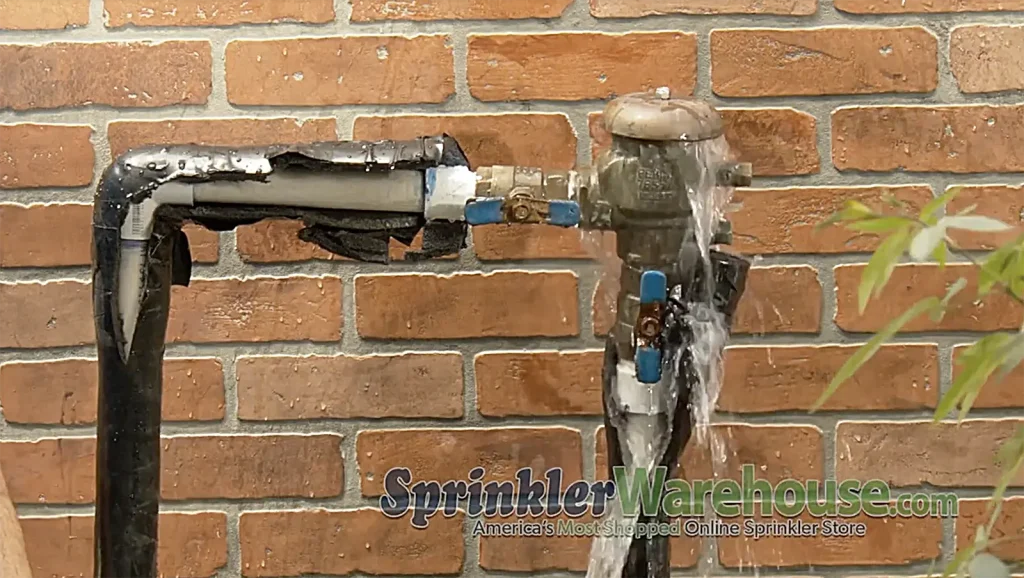
Winter is coming, and if you have a Rain Bird sprinkler system, it’s time to protect your investment. You don’t want frozen pipes or damaged components to ruin your watering setup when the cold hits.
Knowing how to winterize your system correctly can save you money and headaches next spring. In this guide, you’ll learn simple, step-by-step tips to prepare your Rain Bird sprinkler for winter. Keep reading to make sure your system stays safe and ready to go when warmer days return.
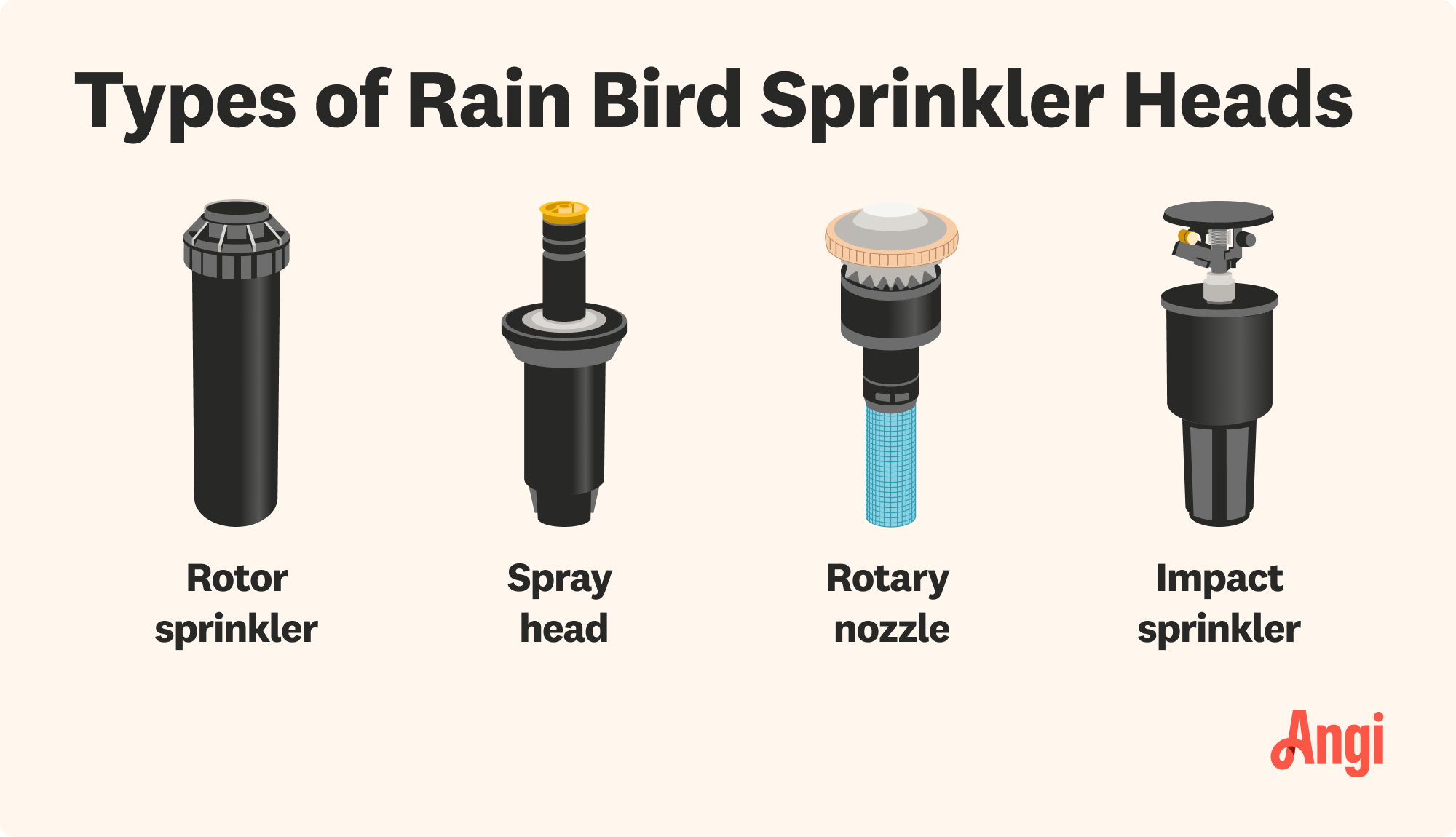
Credit: www.angi.com
Preparing Your Sprinkler System
First, turn off the water supplyto prevent water flow. This stops damage during cold weather.
Next, drain the systemto remove water from pipes and sprinklers. Water left inside can freeze and cause cracks.
- Open drain valves or use the blowout method with air compressor.
- Make sure all water is out of pipes and heads.
Remove any backflow devicesand store them indoors. This keeps them safe from frost and damage.
Using Compressed Air
Choosing the right air compressoris key to winterizing a Rain Bird sprinkler system. Select a compressor with a maximum pressure of 50-80 psi. Too much pressure can damage pipes. Look for a model that delivers 4-6 cubic feet per minute (CFM)to clear water effectively. A portable air compressor is easy to handle and store.
Blowing out the sprinkler lines safelyrequires caution. First, turn off the water supply and remove the backflow preventer. Connect the air compressor to the sprinkler system’s blowout port. Open one zone valve at a time. Run the compressor for 2-3 minutes per zone until no water comes out. Keep sprinklers clear of people and pets during the process.
- Avoid common mistakessuch as using too much pressure.
- Never blow out the system without removing the backflow preventer.
- Do not leave the compressor running too long on one zone.
- Make sure all valves are closed after blowout to prevent damage.
Protecting Above-ground Components
Wrap the valves and pipes with foam covers. Foam helps keep them warm. Secure the foam with tape or straps. This stops cold air from getting in. Cold air can freeze the pipes.
Use plastic bags to cover the sprinkler heads. Plastic keeps out ice and snow. Tie the bags with strings. This keeps them on tight. Check the bags often. Make sure they are still in place.
Put the controller in a warm spot. A warm place keeps it safe. Make sure it is dry. Water can damage the controller. Check the wires for breaks. Fix any loose wires. This helps the system work well.
Maintenance Tips Before Winter
Check the sprinkler system for any leaks or broken parts. Look at all pipes and sprinkler heads carefully. Small leaks can cause big problems if left alone. Fix any damage before the cold weather starts.
Clean the sprinkler heads to remove dirt and debris. Use a soft cloth or brush for gentle cleaning. Lubricate moving parts with a light oil to keep them working well. This helps the system last longer.
Change the system settings for winter. Turn off the automatic watering schedule. Drain water from pipes to stop freezing and damage. Adjust settings back in spring for best use.
Restarting In Spring
Check all pipes and sprinkler heads for cracks or breaks from winter. Look for dirt or debris blocking the nozzles. Clear any clogs to ensure good water flow. Inspect valves and wiring for damage caused by cold or animals. Replace any broken parts before turning the system back on.
Turn on the main water supply slowly. Open the sprinkler system valve and power it up. Watch and listen for leaks or unusual noises. Let water run through the system to clear any trapped air.
- Observe each sprinkler head for even water spray.
- Adjust heads to avoid watering sidewalks or driveways.
- Replace or fix heads that do not pop up or spray properly.
- Test the timer and settings for correct watering schedules.
Credit: www.plumbersstock.com

Credit: www.facebook.com
Frequently Asked Questions
How Do I Prepare A Rain Bird Sprinkler For Winter?
Turn off the water supply, drain the system, and blow out any remaining water.
Why Is Winterizing Rain Bird Sprinklers Important?
It prevents pipe freezing and cracking, saving costly repairs in spring.
Can I Winterize My Sprinkler Without Professional Help?
Yes, with basic tools and following the correct steps, you can do it safely.
Conclusion
Winterizing your Rain Bird sprinkler protects it from cold damage. Draining water stops pipes from freezing and bursting. Taking time now saves you costly repairs later. Follow the steps carefully for best results. Your system will stay ready for spring.
A little effort keeps your yard healthy and green. Protect your investment with simple winter care. Ready for winter, your sprinkler lasts many years.