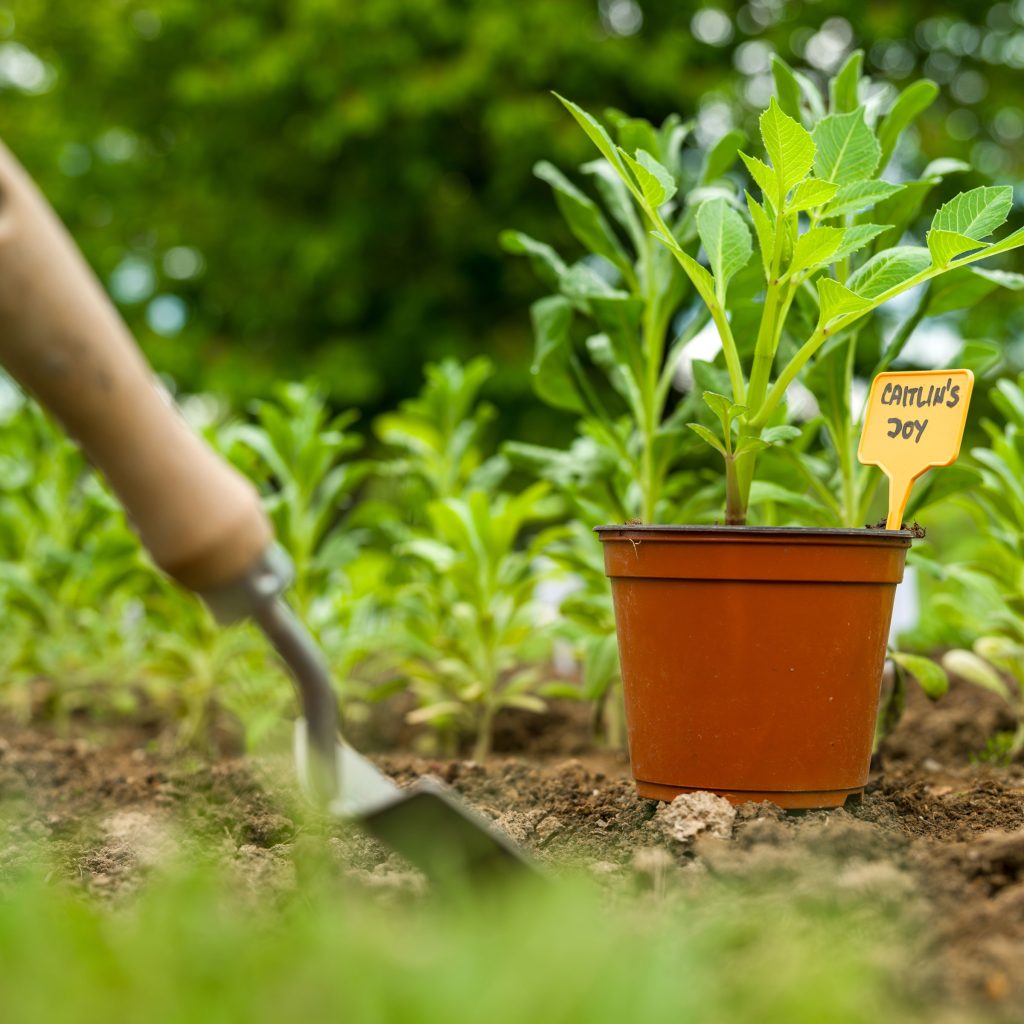
If you love the vibrant look of Bird of Paradise plants, you know how important it is to keep them healthy and thriving. Transplanting your Bird of Paradise might sound tricky, but with the right steps, you can help your plant grow bigger and stronger.
In this guide, you’ll discover simple, clear instructions to make sure your plant adjusts quickly and stays happy. Ready to give your Bird of Paradise a fresh start? Let’s dive into everything you need to know.
Choosing The Right Time
The best seasonto transplant Bird of Paradise is during early springor late fall. These times offer mild temperaturesthat reduce stress on the plant. Avoid transplanting in the middle of summer or winter when extreme weather can harm the roots.
Signs the plant is ready include:
- Roots growing outof the pot’s drainage holes.
- Slow growthor yellowing leavesindicating root crowding.
- The plant looks top-heavyor unstablein its current container.
- Soil dries out quickly after watering, showing the plant needs more space.
Preparing The New Location
Choose soilthat is well-drainingand rich in organic matter. Bird of Paradise plants do best in loamy soilthat holds moisture but does not stay soggy. Avoid heavy clay or sandy soils alone.
Ensure the new spot has proper drainageto prevent root rot. You can add sandor perliteto improve soil drainage. Raised beds or mounds also help water drain away quickly.
- Pick a location with full sunor partial shade.
- Make sure the area gets at least 4-6 hours of sunlight daily.
- Protect the plant from strong winds and frost.
- Check that the spot has enough space for growth.
Preparing The Bird Of Paradise
Trim away dead or damaged leaves first. Cut stems close to the base. Use clean and sharp tools for better cuts. Avoid pruning more than one-third of the plant. This helps reduce shock during transplant.
- Water the plant deeply two days before moving.
- Ensure soil is moist but not soggy.
- Check drainage to prevent root rot.
- Keep watering routine consistent.
Transplanting Process
Start by digging a wide circle around the plant. Keep the circle about 12 inches away from the stems. This helps protect the roots. Dig down carefully to loosen the soil. Try to keep the root ball intact.
Handle the root ball gently to avoid damage. Wrap it in burlap or a cloth to hold soil together. Avoid shaking or dropping the root ball. Wet the roots slightly to keep them moist during the move.
Choose a new spot with good sunlight and space. Dig a hole twice as wide as the root ball. Place the plant in the hole at the same depth as before. Fill the hole with soil and press down firmly. Water the plant well to help it settle.
Post-transplant Care
Keep the soil moist but not soaked. Water the plant deeply every few days. Avoid waterlogging as it harms roots. Use a watering can to control water flow carefully.
Mulching helps keep soil wet longer. Spread a layer of mulch around the base, about 2-3 inches thick. Mulch also stops weed growth and protects roots from heat.
Protect the plant from strong wind and direct sun. Move it to a shaded area for a few days. Avoid touching or moving the plant too much. This reduces transplant shock and helps recovery.

Credit: www.facebook.com
Common Issues And Solutions
Transplant shockmay cause leaves to droop or turn yellow. Keep the plant in a shaded, calm spot for a few days. Water it regularly but avoid overwatering. Using a gentle fertilizer can help the roots grow back strong. Avoid moving the plant too much during the first week.
Pestslike spider mites and aphids can harm Bird of Paradise plants. Check leaves often for small bugs or sticky spots. Wash leaves with mild soapy water or use insecticidal soap to control pests. For diseases, watch for spots or mold on leaves. Remove affected parts and keep the area clean.
| Issue | Signs | Solution |
|---|---|---|
| Transplant Shock | Drooping, yellow leaves | Shade, regular watering, gentle fertilizer |
| Pests | Small bugs, sticky leaves | Soap spray, insecticidal soap |
| Disease | Spots, mold on leaves | Remove affected parts, clean area |
Long-term Maintenance
Fertilizethe Bird of Paradise during spring and summer. Use a balanced fertilizer with equal parts nitrogen, phosphorus, and potassium. Apply every 4-6 weeks for healthy growth. Avoid fertilizing in winter to prevent stress.
Prunedead or damaged leaves regularly. This helps the plant focus energy on new growth. Cut back old flower stalks after blooming. Pruning encourages a fuller and taller plant.
Keep an eye on the plant’s health. Check leaves for yellowing or spots. These signs may show pests or diseases. Use natural insecticides or clean the leaves gently. Ensure the plant has enough light and water but avoid overwatering.

Credit: www.facebook.com

Credit: www.facebook.com
Frequently Asked Questions
How Do I Prepare Bird Of Paradise For Transplanting?
Water the plant a day before. Gently loosen the roots to avoid damage during transplant.
When Is The Best Time To Transplant Bird Of Paradise?
Transplant in early spring or fall when temperatures are mild and stable.
How Do I Care For Bird Of Paradise After Transplant?
Keep soil moist, place in bright light, and avoid direct harsh sunlight initially.
Conclusion
Transplanting a Bird of Paradise can be simple and rewarding. Choose the right time and prepare the soil well. Handle the plant gently to avoid damage. Water it regularly after transplanting to help it settle. Watch for new growth as a sign of success.
With patience, your plant will thrive in its new spot. Enjoy the beauty and tropical feel it brings to your garden. Keep learning and caring for your Bird of Paradise every day.