Have you ever wished your bird could chat with you like a friend? Teaching a bird to talk isn’t just a fun trick—it’s a way to build a deeper bond with your feathered companion.
Imagine hearing your bird say your name or mimic your favorite phrases. It might seem tricky, but with the right approach, you can make it happen. In this guide, you’ll discover simple, effective steps to help your bird find its voice.
Ready to unlock your bird’s hidden talent? Let’s get started.
Choosing The Right Bird
Choosing a bird with a natural talent for talking helps the training process. Parrots and certain species learn words faster and enjoy interaction. A friendly, social bird stays motivated to practice new sounds regularly.
Best Bird Species For Talking
- African Grey Parrotsare known for their clear speech and intelligence.
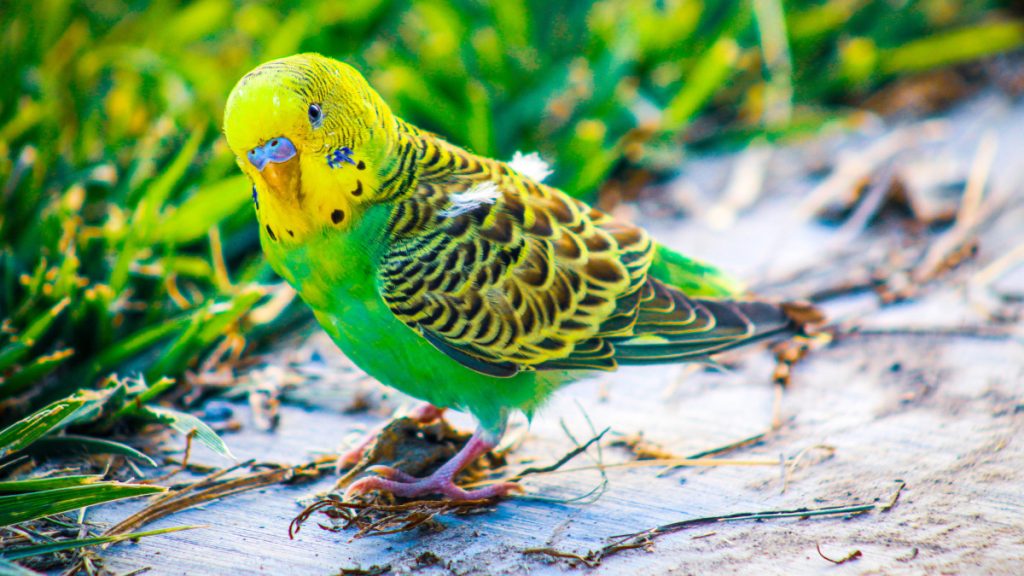
- Budgerigars(Budgies) are small and easy to train for talking.
- Amazonshave loud voices and can learn many words.
- Indian Ringneck Parrotsoften pick up words quickly and mimic well.
Age And Temperament Factors
Younger birds usually learn to talk faster. They are more playful and curious.
Birds with calm and friendly temperaments respond better to training. Patience is key. Regular talking and gentle training help build trust.

Credit: appadvice.com
Creating A Training Environment
Choose a quiet spacefor training your bird. Noise can make it hard for birds to focus. A calm room helps your bird listen better. Keep the area free from loud sounds and sudden noises. This creates a safe and peaceful environmentfor learning.
Minimize distractions around the training spot. Turn off TVs, radios, and other devices. Avoid places with many people or pets. Use soft lighting to keep the area calm. A focused bird learns faster and enjoys the process more.
Basic Training Techniques
Repetition and consistency are keyto teaching birds to talk. Say the same word or phrase often. This helps the bird remember and mimic the sound. Short sessions, daily, work best. Birds learn faster with frequent practice.
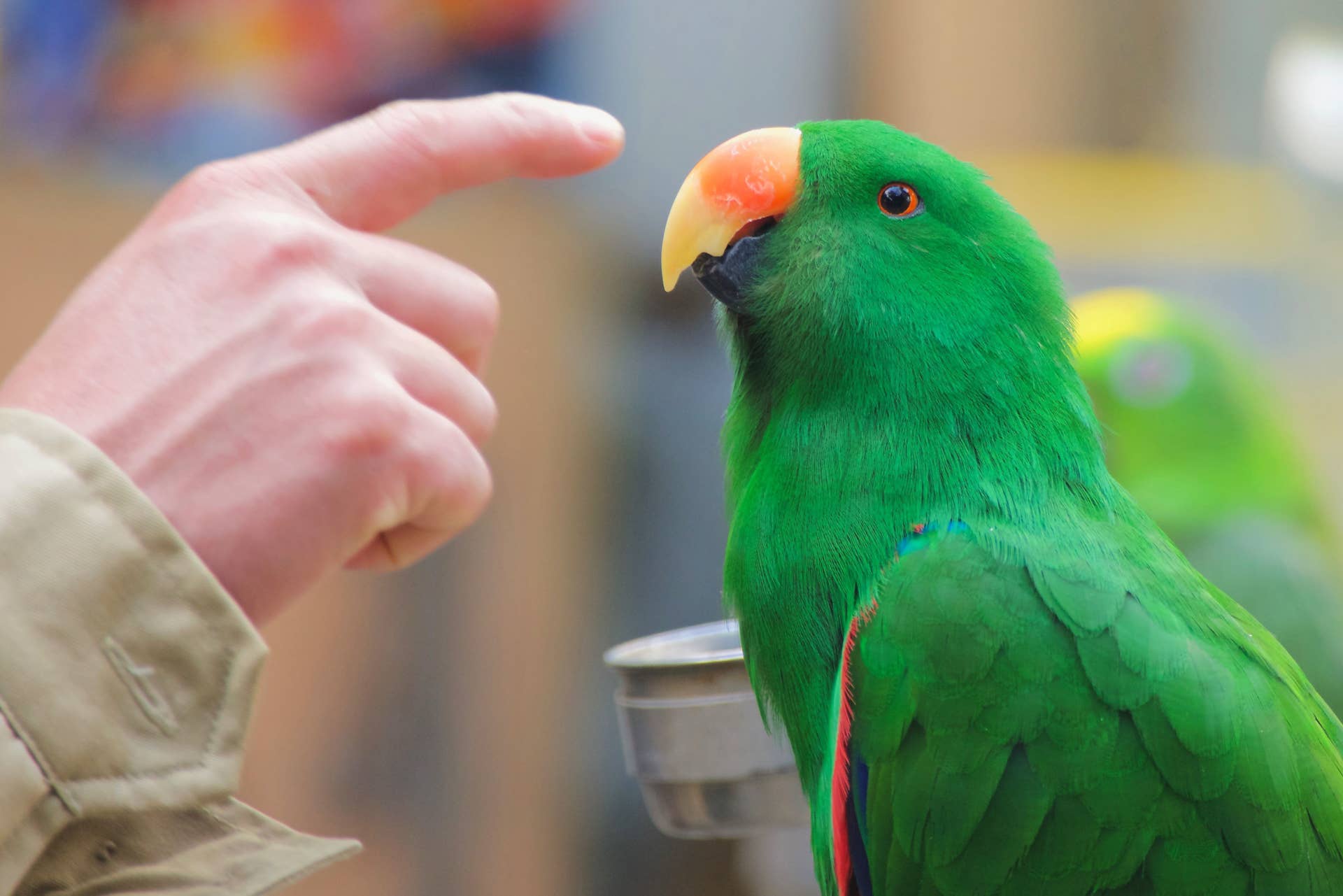
Positive reinforcement makes training easierand fun. Reward your bird with treats or gentle praise when it tries to speak. This builds a connection between good behavior and rewards. Patience and kindness help the bird feel safe.
- Speak clearly and use simple words.
- Repeat words slowly and often.
- Give treats after the bird attempts a word.
- Keep training sessions short (5-10 minutes).
- Stay calm and patient throughout training.
Credit: pethelpful.com
Advanced Speaking Skills
Start with simple phrasesthat are easy for birds. Repeat these phrases often. Use a calm and friendly voice. Birds learn best with consistent practice. Limit each session to a few minutes. This keeps the bird interested. Reward the bird when it tries to speak. Treats or praise work well.
Speak slowly and clearly to the bird. Make each word stand out. Birds mimic sounds they hear often. Use short words with clear sounds. Repeat the same word multiple times. Pause between words to help the bird understand. Listen to the bird’s attempts. Correct gently if needed. Celebrate small successes.
Troubleshooting Common Issues
Birds may lose interest if training sessions are too long. Keep sessions short and fun, around 5 to 10 minutes. Use favorite treatsto motivate them. Speak softly and clearly with simple words. Try repeating the same words often to catch their attention.
Behavioral challenges can slow progress. Some birds may bite or scream during training. Stay calm and patient. Avoid punishment; it can make them scared. Instead, reward good behavior with treats or praise. Use a calm voice and gentle touch. Consistency helps build trust and encourages talking.
Credit: www.etsy.com
Frequently Asked Questions
How Long Does It Take To Teach A Bird To Talk?
Teaching a bird to talk can take weeks to months, depending on the bird’s species and training consistency.
Which Bird Species Are Best For Talking Training?
Parrots, budgerigars, and mynah birds are known for their talking ability and easy training.
What Are Simple Steps To Start Bird Talking Training?
Use clear words, repeat often, reward your bird, and train daily in a quiet space.
Conclusion
Training a bird to talk takes patience and daily practice. Speak clearly and repeat words often. Use treats to encourage your bird’s learning. Keep sessions short to hold their attention. Celebrate small successes to stay motivated. Birds learn best in a calm, quiet space.
Enjoy the process of bonding with your bird. Talking birds bring fun and joy to any home. Keep trying, and your bird will start talking soon.