Have you ever wanted to preserve a beautiful bird you’ve found or hunted? Learning how to taxidermy birds can turn a simple memory into a lasting piece of art.
Imagine holding onto your favorite feathered friend, perfectly posed and ready to display. This guide will walk you through each step, making the process easy and rewarding for you. By the end, you’ll have the skills to create your own stunning bird mount that captures every detail.
Ready to bring your bird to life forever? Let’s get started.
Credit: www.gothamtaxidermy.com
Choosing The Right Bird
Some birds are better for taxidermy. Small birds are easier to work with. Common species are often chosen. Rare birds might need special permission. Birds with colorful feathers look beautiful. Healthy specimens are best. Avoid sick or injured birds. Stable feathers make the process smooth. Choose wisely for the best results.
Check laws before starting taxidermy. Some birds need permits. Endangered species are protected by law. Local rules can be different. Ask wildlife authorities for information. Ensure you have the right paperwork. Legal issues can cause trouble. Permits keep everything safe and legal.

Credit: www.instagram.com
Gathering Essential Tools
A basic taxidermy kitincludes essential tools for preparing birds. These tools help with skinning, cleaning, and mounting.
- Scalpel or sharp knifefor precise cuts
- Scissorsfor trimming feathers and skin
- Needle and threadfor sewing the skin
- Pinsto hold parts in place
- Wireto build frames for bird support
- Glovesfor hygiene and safety
Specialized equipment is needed for birds due to their delicate bodies and feathers.
- Feather dusterto keep feathers clean
- Small paintbrushesfor gentle cleaning and detailing
- Clay or foam formsshaped like bird bodies
- Glass eyesto replace real eyes
- Preservative chemicalsto stop decay
Preparing The Bird
Handle the bird gentlyto avoid damage. Keep it cooland dry. This helps preserve feathersand skin. Use gloves to protect both you and the bird. Avoid touching feathers too much to keep them clean.
For skinning, make a small cut along the bird’s belly. Carefully separate the skin from the muscles. Use sharp tools for clean cuts. Take care not to tear feathers or skin. Remove internal parts slowly and with care.
- Keep the skin intact for a natural look.
- Work in a clean and dry area.
- Save the head and feet for mounting.
Cleaning And Treating The Skin
Carefully remove all flesh and fatfrom the bird’s skin. Use a sharp knife or scalpel. Take your time to avoid tearing the skin. Clean the inside thoroughly to prevent decay. Small pieces of tissue left behind can cause bad smells later.
Preservatives help keep the skin from rotting. Borax and tanning solutions are common choices. Apply borax by rubbing it into the skin and feathers. Tanning solutions soak the skin and make it flexible. Always follow safety instructions when using chemicals.
Mounting And Posing
Creating the form is the first part of mounting a bird. Use foam or wood to build a base that fits the bird’s body size and shape. The form should be firm but light. Pin the bird’s skin carefully to the form, making sure to keep its natural shape. Use clay or cotton to fill areas that need extra support.
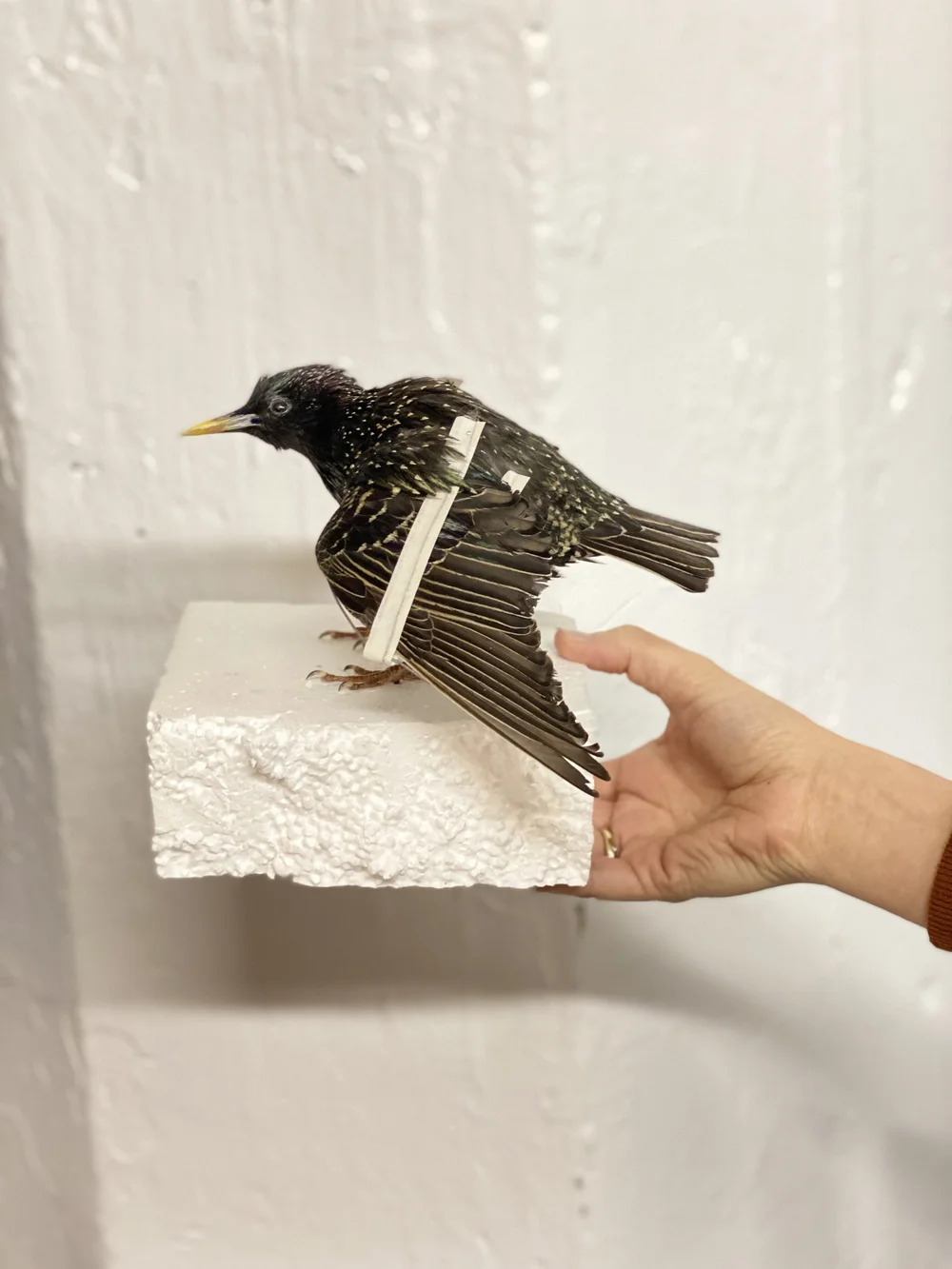
Positioning wings and feathers needs patience. Spread the wings gently, following the bird’s natural pose. Use wires or sticks inside the wings to hold them in place. Smooth the feathers carefully to avoid damage. Check that feathers lie flat and look natural. Adjust feathers one by one if needed.
Finishing Touches
Use special paints made for feathers to restore colorand texture. Apply thin layers carefully to keep the feathers looking natural. Let each layer dry before adding another. This helps bring back the bird’s vibrant colorsand soft feel.
For setting eyes and beak, use glass eyesto make the bird look alive. Choose eyes that match the bird’s size and color. Fix them gently into the sockets with glue or pins.
- Clean the beak before attaching.
- Use clear glue to avoid visible marks.
- Press softly to keep the shape.
Small details like these give the bird a realistic look. Patience and care matter most.
Common Mistakes To Avoid
Handling delicate feathersrequires gentle care. Rough touching can break or damage them. Always use clean, dry hands or gloves to avoid oils or dirt. Support feathers from the base, not tips. Avoid wetting feathers too much; it can cause clumping or loss of shape.
Preventing mold and decayis key to good taxidermy. Dry the bird thoroughly before starting. Store in a cool, dry place with good airflow. Use preservatives as needed, but follow instructions carefully. Check regularly for any signs of mold or smells. Remove mold quickly to stop it from spreading.

Credit: www.instagram.com
Displaying Your Work
Choose a place with low humidityto keep the bird safe. Bright sunlight can fade colors quickly. A spot away from direct sun is best. Keep the bird away from dust and smoke. This helps the taxidermy last longer.
Use a stable surface to avoid falls. Walls or shelves work well. Make sure the bird is steady and secure.
- Dust the bird gently with a soft brush every week.
- Keep the display case closed to stop bugs and dirt.
- Avoid touching the feathers often to keep them neat.
- Check the bird regularly for signs of damage or pests.
Frequently Asked Questions
What Materials Are Needed For Bird Taxidermy?
You need gloves, a sharp knife, wire, stuffing, and preserving chemicals to start taxidermy.
How Long Does It Take To Taxidermy A Bird?
It usually takes several hours to a few days depending on experience and bird size.
Can Beginners Taxidermy Birds Safely At Home?
Yes, with care and proper instructions, beginners can safely try bird taxidermy at home.
Conclusion
Taxidermy birds requires patience and careful steps. Follow each step to preserve the bird properly. Use the right tools and stay clean throughout the process. Practice helps you improve your skills over time. Enjoy seeing your work come to life.
This craft brings nature indoors in a special way. Try small projects before moving to bigger birds. Keep learning and have fun with each creation.