Have you ever wished you could understand what birds are saying? Imagine being able to connect with nature on a whole new level—knowing when birds are happy, warning each other, or even calling you over.
Learning how to speak bird isn’t just for experts or scientists. You can start today, using simple tips that anyone can follow. You’ll discover easy ways to tune into bird language and communicate with these fascinating creatures. Ready to unlock the secret world of birds?
Keep reading, and you’ll soon see the magic for yourself.
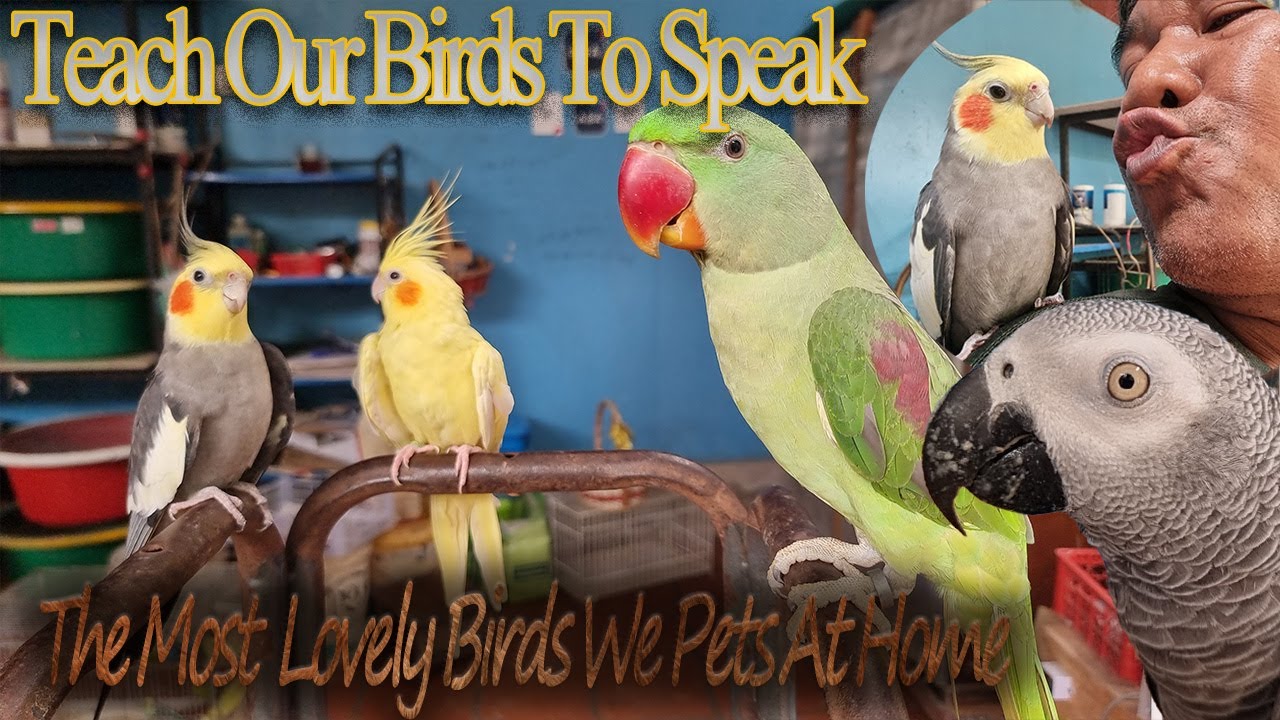
Credit: www.youtube.com
Bird Sounds And Their Meaning
Birds use different soundsto talk. These sounds help them share messagesabout danger, food, or friendship. Each sound has a special meaningthat helps birds live safely and happily.
- Chirps:Short and quick sounds to say “I am here.”
- Trills:Long and musical notes to attract friends or mates.
- Alarm calls:Loud and sharp sounds that warn of danger nearby.
- Contact calls:Soft sounds to keep in touch with their group.
Understanding bird songs takes careful listening. Some songs tell about territoryor mating. Others are just fun sounds to enjoy. Paying attention to the toneand patternhelps you know what birds mean.
Tools For Bird Communication
Recording and playback deviceshelp capture bird sounds clearly. These tools let you listen to bird calls again. You can learn to recognize different bird songs this way. Small, portable recorders work well outdoors. Good microphones catch soft chirps better.
Apps for bird language make learning fun and easy. They provide sounds of many birds from around the world. Some apps have quizzes to test your skills. Others show pictures and facts about birds. Using apps often helps improve your bird listening skills.
Mimicking Bird Sounds
Bird sounds have unique pitchand rhythm. Listen closely to their calls. Try to copy the toneand speedof their chirps. Practice by breaking down the sounds into parts.
Use your voice to match the high and lownotes. Repeat short phrases to get the timing right. Pausing between sounds can help mimic bird songs better. Try to make your sounds clear and sharp.
- Listen carefully to different bird calls.
- Repeat the sounds slowly at first.
- Focus on copying the rhythmand pitch.
- Practice often to improve your imitation.

Credit: apps.apple.com
Interpreting Bird Behavior
Birds use sounds and movements to share feelings and messages. Watching their actions helps understand what they want or feel. Learning their signs makes talking with birds easier.
Body Language Clues
Birds use their bodies to talk. A puffed-up bird might be cold. It could also be scared. A bird that spreads its wings wide feels brave. Tail wagging shows happiness. If a bird bows, it is being friendly. Watch for feather ruffling too. It can mean excitement. Birds tilt their heads to listen. They use their eyes to express feelings. A wide-eyed look can mean surprise.
Context Of Calls
Birds call to share messages. Short chirps can mean danger. Long whistles might mean love. Birds chatter to stay together. They sing to mark their home. Listening helps understand their mood. Some calls are warnings. Others are invitations. Calls can change with seasons. You might hear different sounds in spring. Each sound has a story. Birds use calls to communicate. They talk to each other all the time.
Building A Connection With Birds
Creating a bird-friendly environmentmeans offering safe spaces. Plant native trees and bushes for shelter. Provide fresh water and clean birdbaths. Avoid using chemicals on plants near bird areas. Put up feeders with seeds birds like, such as sunflower or millet. Keep pets away from bird zones to reduce stress. Quiet surroundings help birds feel safe and comfortable.
Using calls can attract birdsto your space. Different species respond to specific sounds. Play bird calls softly and watch for reactions. Be patient; birds need time to approach. Calls imitate natural bird sounds and help build trust. Avoid loud noises that scare birds away. Repeat calls at regular times to create a routine.

Credit: petmediaplus.com
Frequently Asked Questions
What Are The Basic Bird Sounds To Learn First?
Start with common calls like chirps, whistles, and trills to recognize bird speech easily.
How Can I Mimic Bird Sounds Effectively?
Listen carefully, practice often, and use your voice or simple tools to copy bird sounds.
Why Is Understanding Bird Language Important?
It helps you connect with nature, identify species, and enjoy outdoor birdwatching more.
Conclusion
Speaking bird sounds takes time and patience. Start by listening carefully to their calls. Try copying short sounds first. Practice often and enjoy the process. Birds respond better when you are calm. Remember, every bird species has unique sounds. Keep learning and pay attention to details.
Soon, you will understand their simple messages. Speaking bird helps you connect with nature. It makes birdwatching more fun and rewarding. Stay curious and keep practicing daily. Small steps lead to big progress in bird communication.