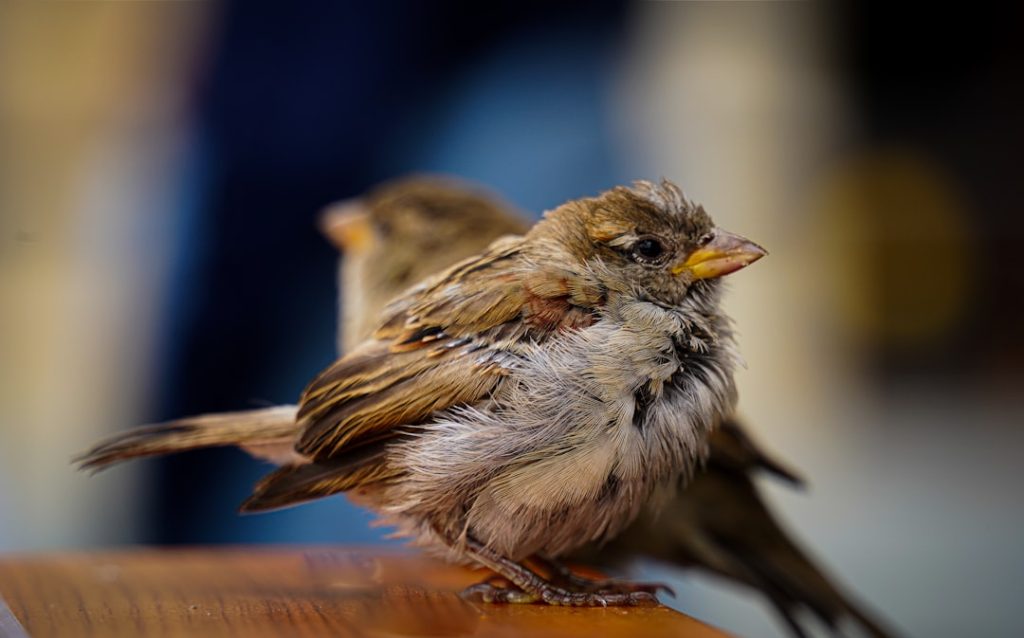
Imagine finding a bird that looks lifeless and feeling the urgent need to help. What do you do next?
Knowing how to revive a bird can make all the difference between life and death. You don’t have to be a bird expert to take the right steps. This guide will show you simple, effective actions you can take immediately to give that fragile creature a fighting chance.
Keep reading—you might just save a life today.

Credit: www.youtube.com
Recognize Signs Of Distress
Birds in distress may show unusual behavioror physical signs. Common symptoms include:
- Fluffed-up feathersand lethargy
- Labored or rapid breathing
- Unsteady balance or falling over
- Closed or half-closed eyes
- Loss of appetite
- Visible wounds or bleeding
- Weakness or inability to fly
Immediate action is critical if the bird:
- Stops breathing or gasps for air
- Collapses or becomes unconscious
- Shows signs of choking or blockage
- Has severe bleeding
Act quickly to provide warmth and seek veterinary help.

Credit: www.amazon.ca
Ensure Safety First
Protect yourselffirst by wearing gloves. Birds can carry germs. Use a soft cloth or towel to gently pick up the bird. Avoid touching its wings or chest. Handle the bird with care to prevent more harm.
Create a quiet, calm spacefor the bird. Keep noise low and lights dim. Remove pets and children from the area. This helps the bird feel safe and less scared.
- Keep the bird warm, but not hot.
- Place it in a small box with soft cloth.
- Make sure the box has air holes.
- Do not feed or give water yet.
Check Breathing And Heartbeat
Place the bird on a flat surface. Watch its chest closely. Notice if the chest rises and falls. This shows breathing. Listen for soft sounds. Birds breathe quietly. Use a mirror near its beak. See if it fogs up. Fog means it is breathing. Look for gentle movements. Movements can be a sign of breathing.
Find the bird’s chest. Feel for the heartbeat with your fingertips. Be gentle. Locate the bird’s neck. Use your index finger. Press lightly to feel the pulse. Check under the wing. The pulse can be strong there. Use a stethoscope if possible. Listen for a heartbeat. Count beats for 10 seconds. Multiply by six for heart rate.

Credit: www.facebook.com
Perform Basic First Aid
First, check if the bird’s airways are clear. Gently open the beak and remove any visible dirt or food. Use a soft cloth or tweezers with care. Be very gentle to avoid causing harm.
Next, try to help the bird breathe by clearing its airways. You can lightly blow air near the bird’s beak if it seems to struggle. Watch carefully for any signs of breathing.
For chest compressions, place your fingers on the bird’s breastbone. Press gently but firmly to help the heart pump blood. Use slow, steady compressions about one or two per second.
Stop if the bird shows signs of life like moving or breathing. Keep calm and be patient. Your gentle actions can make a big difference.
Provide Warmth And Hydration
Keeping a bird warm is very important. Use a heat source like a warm towel or a heating pad. Place it under the bird’s cage or wrapped in a cloth. Avoid direct contact to prevent burns. The area should feel warm, not hot. Check the temperature often to keep it safe.
Offer water carefully. Use a dropper or small spoon. Give small drops slowly to avoid choking. Electrolyte solutions can help if the bird is weak. Make sure the bird drinks gently. Do not force water into the bird’s beak.
Seek Professional Help
Contact a vet immediately if the bird is not breathing, bleeding, or unconscious. Quick action can save its life. Signs like shaking, weakness, or inability to stand also need vet care.
Use a small box or carrier with soft cloth to transport the bird safely. Keep the box dark and quiet to reduce stress. Handle gently to avoid causing more harm.
| When to Contact a Vet | How to Transport the Bird |
|---|---|
| Not breathing or bleeding | Use a small, secure box |
| Unconscious or very weak | Line box with soft cloth |
| Shaking or can’t stand | Keep box dark and quiet |
| Visible injuries or wounds | Handle bird gently |
Prevent Future Emergencies
Providing safe housinghelps keep birds healthy and happy. Use cages with no sharp edgesor loose parts. Make sure the cage is large enoughfor the bird to move freely. Place the cage in a quiet, well-lit areaaway from drafts and direct sunlight. Clean the cage often to avoid germs and bacteria.
Regular health checksspot problems early. Watch for changes in behavior, feathers, or appetite. Take the bird to a vet for routine exams. Keep a record of the bird’s health and any symptomsyou notice. Early care can prevent many emergencies.
Frequently Asked Questions
How Can I Tell If A Bird Needs Reviving?
Look for signs like no movement, weak breathing, or cold body temperature.
What Is The First Step To Revive A Stunned Bird?
Gently place the bird in a quiet, warm, and safe spot to rest.
How Long Does It Take To Revive A Weak Bird?
It usually takes 15 to 30 minutes for the bird to regain strength.
Conclusion
Reviving a bird takes care and quick action. Stay calm and check the bird’s breathing and heartbeat. Gently warm the bird if it feels cold. Offer water in small drops to help hydration. Contact a vet as soon as possible for expert help.
Remember, your gentle touch can save a bird’s life. Keep learning about bird care to help more in the future. Small steps can make a big difference. Every bird deserves a chance to fly again.