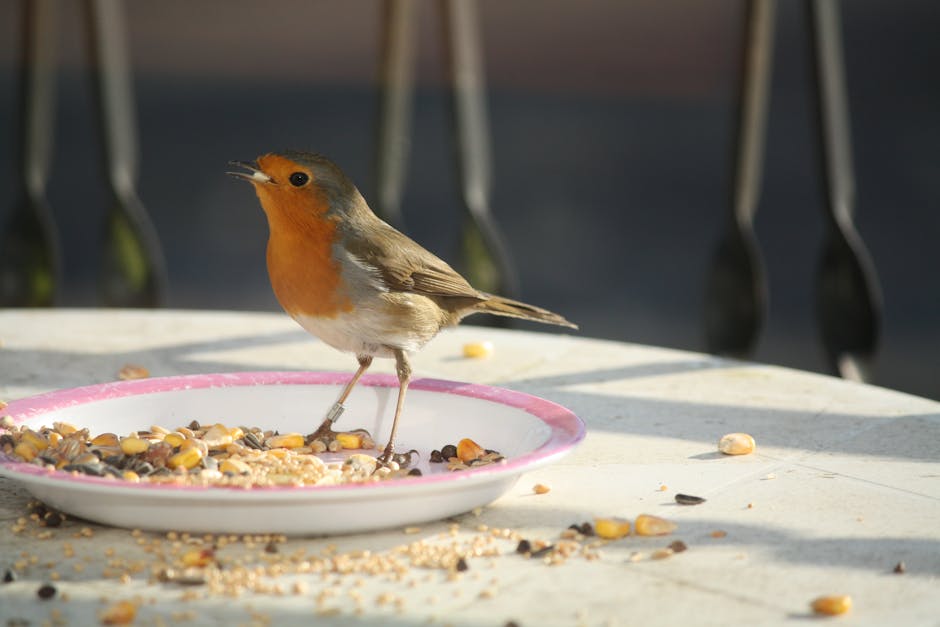
Are you tired of planting seeds only to find them gone the next morning? Birds can be a big challenge when you’re trying to grow your garden.
But don’t worry—there are simple, effective ways to protect your seeds and give your plants the best chance to grow strong. You’ll discover easy tips that anyone can use to keep birds away and save your hard work. Keep reading, and you’ll learn how to outsmart those pesky birds and enjoy a thriving garden.
Credit: www.ollegardens.com
Common Birds That Threaten Seeds
Many birds can harm seeds in your garden or farm. Common seed thievesinclude:
- Blackbirds– They like to eat seeds from the ground.
- Sparrows– Small but quick, they grab seeds fast.
- Pigeons– Often found in groups, they peck at seeds together.
- Finches– Small birds that eat many types of seeds.
- Crows– Big and smart, they can get through many barriers.
Each bird has different habits and ways to find seeds. Knowing which birds are around helps protect your seeds better.
Why Birds Target Seeds
Birdsare naturally drawn to seeds because they are a rich source of food and energy. Seeds offer essential nutrients that help birds survive and stay active. Many birds have a strong instinct to find seeds, especially during times when other foods are scarce.
Seeds are often easy to spot and access, making them a favorite for birds. They are small and can be quickly eaten or carried away. Birds might also target seeds because they like the taste or texture.
Protecting seeds is important for gardeners and farmers. Birds eating seeds can reduce the number of plants that grow. Understanding why birds target seeds helps in finding ways to keep seeds safe.
Physical Barriers To Protect Seeds
Covering seeds with nets or mesh keeps birds away while allowing air and sunlight in. Using physical barriers creates a safe space for seeds to grow undisturbed. Garden cloches and wire cages also protect seeds from hungry birds effectively.
Using Netting And Mesh
Netting can keep birds away from seeds. Choose a fine mesh to cover your plants. Ensure it is tightly secured to the ground. Birds cannot poke through it easily. Use stakes to hold the netting in place. This method is simple and effective.
Covering With Cloche Or Bell Jars
Cloche or bell jars are glass covers. They protect seeds from birds. Place them over young plants. The glass keeps birds out. It also traps heat, helping seeds grow. Ensure they are placed carefully to prevent damage.
Row Covers And Garden Fleece
Row covers are fabric sheets. They shield seeds from birds. Lay the fabric over rows of plants. Secure the edges to the ground. Garden fleece is lightweight. It allows sunlight and rain to pass through.

Credit: www.facebook.com
Natural Deterrents For Birds
Decoyslike fake owls or snakes can scare birds away. Move them often to keep birds confused. Reflective objects such as old CDs or shiny tape catch sunlight and frighten birds. Hanging noise makerslike bells or wind chimes can also help. The sounds bother birds and keep them away from your seeds.
Planting certain crops near your seeds can repel birds. Plants like marigolds, chili peppers, and garlichave smells that birds dislike. These natural repellents protect seeds without chemicals. Combining these tactics gives better results.
| Natural Deterrent | How It Works | Tips |
|---|---|---|
| Decoys | Scare birds by mimicking predators | Move regularly to stay effective |
| Reflective Objects | Shiny surfaces scare birds with light | Use CDs, tape, or foil strips |
| Noise Makers | Sound frightens birds away | Bells or wind chimes work well |
| Bird-Repellent Crops | Plants with strong smells deter birds | Marigolds, chili peppers, garlic |
Timing And Planting Strategies
Sowing seeds at the right timehelps reduce bird damage. Seeds planted early or late may avoid peak bird feeding. This timing lowers the chance birds find your seeds. Plants grow stronger when timed well.
- Staggered plantingspreads out seed sowing over days or weeks.
- This confuses birds and protects more seeds from being eaten.
- It also ensures some plants grow even if birds eat some seeds.
Using seed pellets or coatingsprotects seeds. These coatings make seeds less tasty or harder for birds to eat. They also help seeds stay in soil better. Coated seeds often grow better because birds leave them alone.

Credit: www.tiktok.com
Chemical And Non-toxic Repellents
Chemical repellentsoften use safe ingredients to keep birds away. These sprays create a smell or taste that birds dislike. They do not harm seeds or plants. It is important to reapply sprays after rain or watering. Always check the label for safety instructions.
Non-toxic coatingsform a thin layer on seeds. This layer makes seeds slippery or sticky, so birds avoid eating them. These coatings are safe for soil and plants. They also do not affect seed growth.
- Homemade bird repellent solutionsuse common kitchen items.
- Mix water with hot pepper or garlic to make a spray.
- Spray the mixture on seeds or soil around them.
- Birds dislike the strong smell and taste.
- Reapply often for best results.
Maintaining A Bird-friendly Garden
Birds need food and shelterto stay happy in your garden. Providing alternative food sourceshelps keep them away from your seeds. Planting berry bushes, sunflowers, or leaving bird feeders with grains can distract birds. This way, seeds you want to grow are safe.
Creating shelter away from seed areasgives birds a place to rest. Use shrubs or small trees to make cozy spots. Birds feel safe there and less likely to search for food near your seeds. This balance helps protect your plants and keeps birds happy.
Frequently Asked Questions
How Can I Stop Birds From Eating My Seeds?
Cover seeds with netting or use bird spikes to block birds from reaching them.
What Natural Methods Protect Seeds From Birds?
Use scarecrows, shiny objects, or noise makers to scare birds away naturally.
When Is The Best Time To Protect Seeds From Birds?
Protect seeds right after planting, as birds are most active during seed germination.
Conclusion
Protecting seeds from birds takes simple steps and patience. Use nets, covers, or natural repellents to keep birds away. Watch your garden often to spot any problems early. Keep seeds safe to help plants grow strong and healthy. Small actions make a big difference over time.
Stay consistent and enjoy a thriving garden with less seed loss. Your efforts will bring better results and more joy in gardening.