Are you tired of planting grass seed only to find birds have eaten it all before it even sprouts? It’s frustrating to watch your hard work disappear, but you’re not alone.
Birds love fresh grass seed just as much as you want your lawn to grow. The good news is, there are simple, effective ways you can stop birds from snatching your seed and give your grass the chance to thrive.
Keep reading to discover practical tips that protect your lawn and save you time and money. Your perfect, green lawn is closer than you think!
Choose Bird-resistant Seeds
Choosing the right grass seed can help keep birds away. Some seeds are less tasty for birds. For example, tall fescueand perennial ryegrassare less attractive to birds.
Seeds coated with a bird repellent or mixed with additives can protect your lawn. Look for seeds labeled as bird-resistant. These seeds grow well and reduce bird damage.
Using a mix of different seeds can also help. Birds might avoid some types and eat less overall. This way, your lawn grows healthy without much loss.
Credit: mossawistudios.com
Use Physical Barriers
Netting and coversstop birds from reaching fresh grass seed. Use lightweight netting that lets light and water through but blocks birds. Secure the edges tightly to prevent birds from slipping underneath. Covers like floating row covers work well, protecting seeds without harming growth.
Temporary fencingcreates a barrier around seeded areas. Use plastic or metal mesh fences that are about two feet tall. This keeps birds away while seeds start to grow. Move the fence as the grass spreads to protect new spots.
- Choose materials that are easy to install and remove.
- Check fences and nets daily for holes or loose spots.
- Combine netting and fencing for better protection.
Employ Bird Repellents
Natural repellentshelp keep birds away from grass seeds without chemicals. Scattering pepper flakesor cayenne pepperaround the area can deter birds. Garlic spraysor vinegar solutionsalso work to repel birds naturally. Placing shiny objects like old CDsor foil stripsnear the seeded area creates reflections. Birds find these reflections scary and avoid the spot.
Commercial productsoffer ready-to-use options. Bird repellents with safe chemicalscan be sprayed on or near the grass seed. Some use taste deterrentsthat birds dislike. Nettingand bird spikesprotect the seeds physically, stopping birds from landing or eating. Always follow product instructions for safety and best results.
Alter Sowing Techniques
Altering sowing techniques can help protect grass seed from birds. Cover seeds lightly with soil or mulch to hide them. Sowing seeds during early morning or late evening reduces bird activity and seed loss.
Deeper Seeding
Seeds can be hidden deeper in the soil. This makes it harder for birds to find them. Use a tool to push seeds down. Birds will struggle to reach them. Make sure the soil is soft. Hard soil might hurt the seeds. Keep the soil moist to help seeds grow. This helps seeds stay safe.
Timing Adjustments
Plant seeds at different times. Early morning is a good choice. Birds are less active then. Try sowing after a rain. Wet soil hides seeds better. Avoid midday when birds are hungry. Choose cooler days to plant. Birds are less active when it’s cool.
Create Alternative Food Sources
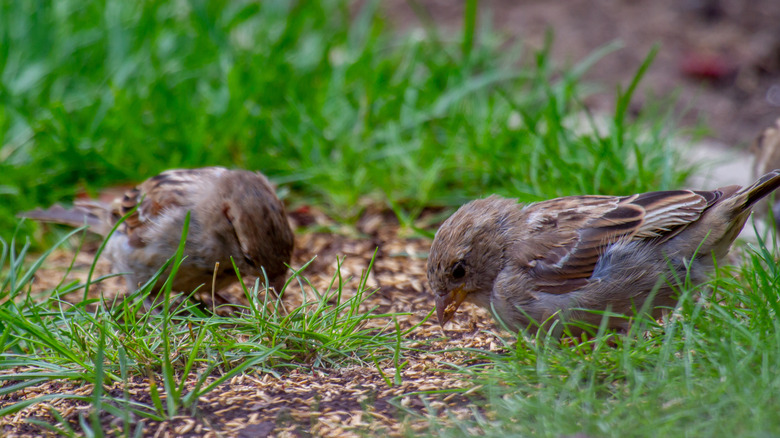
Offering birds alternative food sourceshelps protect grass seed. Place bird feeders away from seeded areas. Use seeds like millet, sunflower, or cracked corn. These attract birds and keep them busy.
Scatter food on platforms or in feeders to avoid ground mess. Keep food fresh and dry to prevent mold. Changing food types keeps birds interested. Providing water also helps distract birds from your lawn.

Credit: www.aol.com
Credit: www.outdoorguide.com
Frequently Asked Questions
How Can I Stop Birds From Eating Grass Seed?
Cover the seed with a light layer of soil or mulch to hide it from birds.
What Natural Ways Prevent Birds From Eating Grass Seed?
Use bird decoys or shiny objects to scare birds away without harm.
When Is The Best Time To Plant Grass Seed To Avoid Birds?
Plant grass seed in the early morning or late evening when birds are less active.
Conclusion
Protecting grass seed from birds helps your lawn grow strong. Use simple barriers like netting or covers to keep birds away. Spreading seed in small amounts reduces bird interest. Watering seeds right after planting keeps them hidden. Try bird repellents safely and follow instructions.
Patience and care bring good results over time. Your lawn will look green and healthy soon. Keep trying these easy steps for best success.