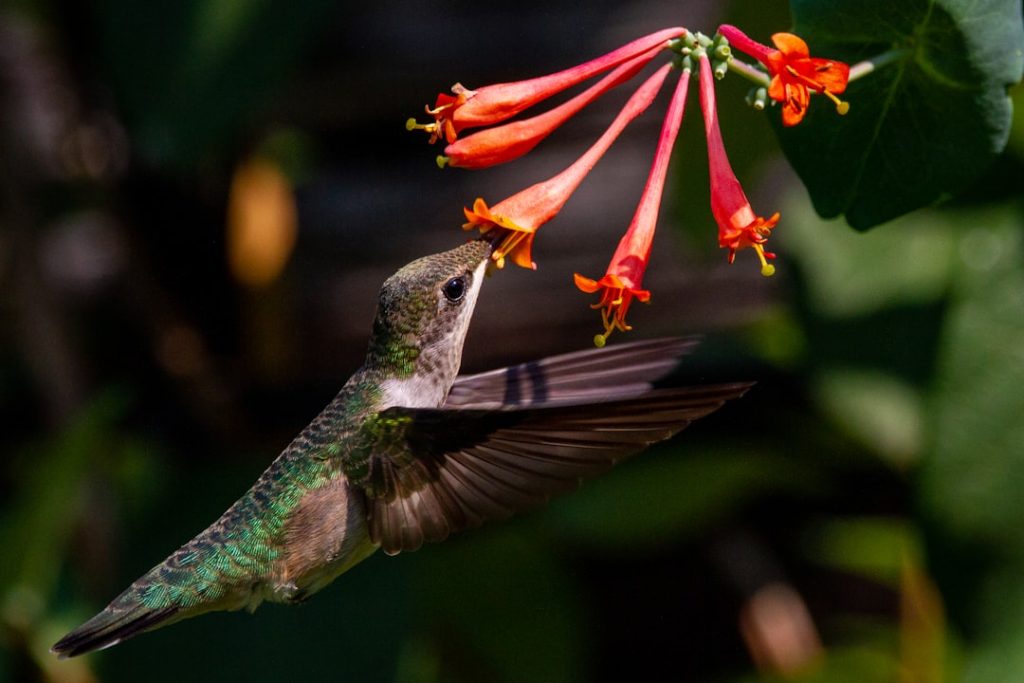
Have you ever tried to capture the magic of a hummingbird in flight? These tiny birds move so fast, it feels impossible to get a clear, beautiful photo.
But what if you could freeze their vibrant colors and delicate wings with your camera? In this guide, you’ll discover simple tips and tricks that make photographing hummingbirds easier than you think. By the end, you’ll be ready to snap stunning shots that wow your friends and bring the beauty of these incredible creatures right into your home.
Keep reading to unlock the secrets behind perfect hummingbird photography!

Credit: stevegettle.com
Choosing The Right Gear
Choosing a fast camera lens helps capture hummingbirds in sharp detail. A camera with quick shutter speed freezes their rapid wing movements. Using a tripod keeps your shots steady and clear.
Best Cameras For Hummingbird Photography
Choose a camera with a fast shutter speed to catch quick movements. DSLR and mirrorless cameras work great. Look for cameras that handle low light well. A camera with good autofocus helps keep hummingbirds sharp. Cameras with at least 20 megapixels give clear images.
Ideal Lenses And Accessories
Use a telephoto lens around 300mm to 600mm to get close shots. A lens with image stabilization reduces blur. A fast lens with f/2.8 or f/4 lets in more light. Tripods keep the camera steady for crisp photos. Use a remote shutter release to avoid shaking. A flash with a diffuser softens light for natural colors.
Setting Up Your Shooting Location
Choose a spot where hummingbirds like to feed. Bright flowers or feeders work well. Place your camera near but not too close. Hummingbirds feel safe with some cover like bushes or trees nearby.
Natural light is best early morning or late afternoon. The light is soft and warm. Avoid harsh midday sun that creates strong shadows. You can use artificial light but keep it gentle. A small flash or reflector helps to brighten the bird without scaring it.
| Lighting Type | Best Time | Tips |
|---|---|---|
| Natural Light | Early Morning, Late Afternoon | Soft, warm light; avoid harsh midday sun |
| Artificial Light | Any time | Use small flash or reflector; keep light gentle |
Camera Settings For Sharp Shots
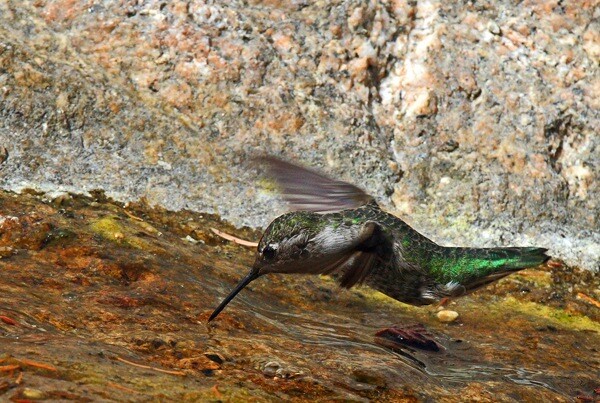
Fast shutter speedis key to freeze hummingbird motion. Use at least 1/2000 secondto capture sharp wings. A wider aperture (small f-number) lets in more light, helping maintain fast shutter speeds. Try f/4 to f/5.6for a good balance between light and depth of field.
Higher ISO settings like 800 or 1600may be needed in low light. This keeps images bright but watch for noise. Use continuous autofocus (AF-C)or AI Servo mode to track birds as they move. Select a single focus point to lock on the hummingbird’s eye for sharp results.
Credit: digital-photography-school.com
Capturing Hummingbird Behavior
Photographing hummingbirds requires patience and quick reflexes to catch their fast movements. Using a fast shutter speed helps freeze their wings and capture detailed behavior. Natural light and quiet surroundings improve photo quality and keep birds comfortable.
Timing Your Shots
Hummingbirds move very fast. They zip through the air like rockets. Early morning is the best time. They are more active and hungry then. Use a fast shutter speed. This freezes their motion. Keep your camera ready. Snap when they hover near flowers.
Recognizing Flight Patterns
Hummingbirds have unique flight patterns. They hover, dart, and dive quickly. Watch how they move from flower to flower. Learn their favorite spots. This helps you predict their movements. Focus on these areas. Capture their graceful turns and twists. Notice when they stop to feed. This is your chance for a great shot.
Editing And Enhancing Photos
Basic post-processing helps to enhance hummingbird photos. Start by adjusting the brightnessand contrastto make details clear. Use tools to improve sharpnessbut avoid overdoing it. Crop the image to focus on the bird and remove distractions. Adjust the white balanceto correct colors and make the photo look natural.
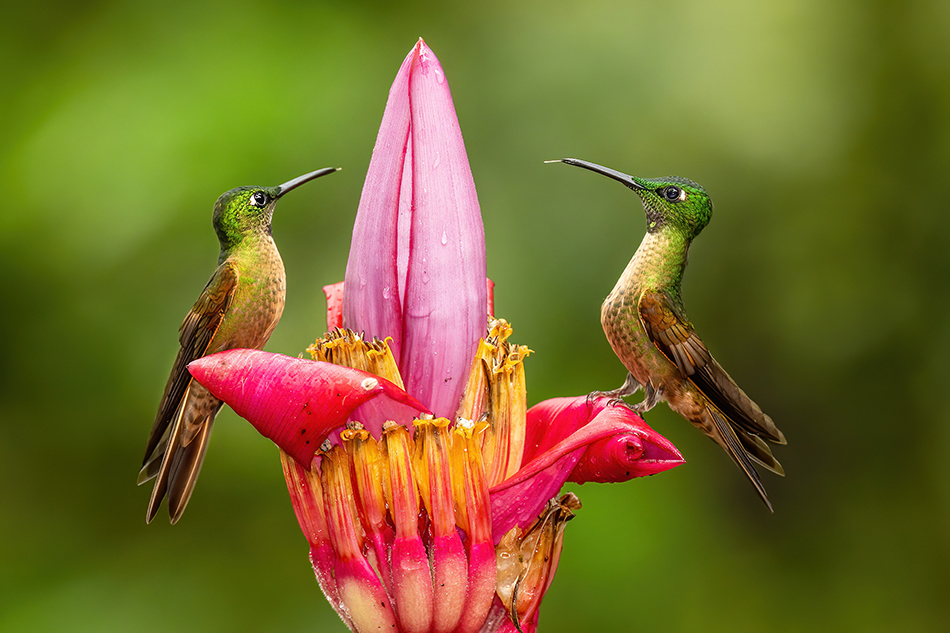
Highlighting details and colors brings photos to life. Increase the saturationslightly to make colors pop. Use selective editing to brighten the eyes or feathers. Softening the background can help the hummingbird stand out more. Keep changes simple to keep the photo looking real.
Credit: www.tombolphoto.com
Frequently Asked Questions
How Do I Capture Sharp Images Of Hummingbirds?
Use a fast shutter speed and good lighting to freeze their quick movements clearly.
What Camera Settings Work Best For Hummingbird Photography?
Set a high shutter speed, wide aperture, and continuous shooting mode for best results.
Where Is The Best Place To Photograph Hummingbirds?
Look near flowers or feeders where hummingbirds often visit and stay still briefly.
Conclusion
Photographing hummingbirds takes patience and practice. Use a fast shutter speed to freeze their quick movements. Choose bright natural light for clear, sharp images. Focus on the bird’s eyes to capture its beauty. Keep your camera ready and stay still for the best shots.
Remember, each photo is a chance to learn and improve. Enjoy the process and the small wonders of nature. Happy hummingbird photography!