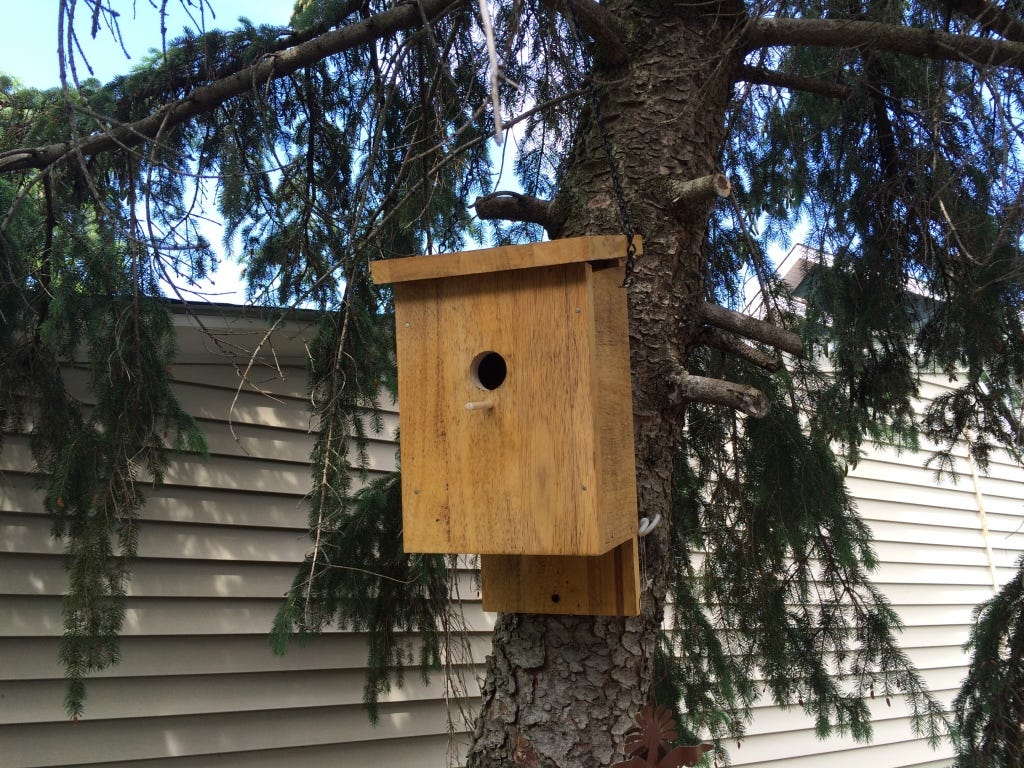
If you want to invite more birds to your yard, mounting a birdhouse on a tree is a simple and rewarding way to do it. But how do you make sure the birdhouse is secure, safe, and welcoming for your feathered visitors?
You might be wondering about the best tools to use, the right height to choose, or how to avoid harming the tree. This guide will walk you through every step, so you can confidently mount your birdhouse and enjoy watching nature up close.
Keep reading to discover easy tips that will make your birdhouse the perfect home for birds.

Credit: us.amazon.com
Choose The Right Tree
Choose a tree that is healthy and strong. Trees like oak, maple, or pine work well. Avoid trees with diseases or dead branches.
Place the birdhouse where it gets morning sunlightand some shade in the afternoon. Too much sun can make it hot inside.
Pick a spot away from places where many people walk or play. This keeps birds safe and calm. Quiet areas help birds feel secure.
Select The Best Birdhouse
Choose a sturdy tree with a trunk wide enough to hold the birdhouse securely. Use straps or screws to attach the birdhouse without harming the tree. Position it at a safe height to protect birds from predators and harsh weather.
Material And Design
Choose a birdhouse made of natural wood. It lasts long and keeps birds safe. Avoid plastic or metal because they get too hot or cold. The design should have a sloped roofto keep rain out. Smooth edges inside prevent bird injuries.
Size For Different Birds
| Bird Type | House Entrance Size | House Dimensions (inches) |
|---|---|---|
| Wrens | 1 to 1.25 inches | 4 x 4 x 8 |
| Chickadees | 1 1/8 inches | 5 x 5 x 8 |
| Bluebirds | 1.5 inches | 6 x 6 x 10 |
Ventilation And Drainage
Good ventilation stops heat and moisture build-up. Make small holes near the top for air. Drainage holes at the bottom let water escape. This keeps the inside dry and safefor birds.
Gather Necessary Tools
Choose sturdy mounting hardwarefor your birdhouse. Use screws and brackets. Check the size and strength. Make sure it holds the birdhouse securely. Avoid nails. They might damage the tree. Use tree-friendlyoptions.
Wear safety glovesto protect your hands. Use a helmet for head safety. Ensure secure footing with sturdy shoes. Eye protection is important too. Make sure to have a first aid kit nearby. Safety is crucial.
Use a measuring tapeto find the right spot. Measure height and distance carefully. A level toolensures the birdhouse is straight. Double-check measurements before mounting. Keep tools handy. Accuracy is key.

Credit: us.amazon.com
Prepare The Birdhouse
Securely attaching the birdhouse ensures safety for birds. Use mounting bracketsdesigned for outdoor use. These provide a strong hold without hurting the tree. Attach brackets to the back of the birdhouse using screws. Make sure the brackets align well with the tree trunk or branch.
Check for stabilityby gently shaking the birdhouse once mounted. It should not wobble or move. A stable birdhouse is less likely to fall during wind or storms.
Pre-drill holesin the birdhouse if the wood is hard. This prevents cracking when inserting screws. Use a drill bit slightly smaller than the screws for a snug fit. Pre-drilling makes mounting easier and keeps the birdhouse intact.
Mounting Techniques
Screws and bracketsprovide a strong hold for birdhouses. Use galvanized screwsto prevent rust. Attach brackets to the back of the birdhouse and screw them into the tree. This method keeps the house stable and safe for birds.
Straps and bungee cordsoffer a gentle way to mount birdhouses. Wrap straps around the tree and the birdhouse, then tighten securely. These cause less harm to the tree and allow for easy removal or adjustment.
| Mounting Method | Tree Impact | Pros | Cons |
|---|---|---|---|
| Screws and Brackets | Moderate | Strong hold, stable | Can harm tree if overused |
| Straps and Bungee Cords | Low | Less damage, adjustable | May loosen over time |
Avoid tree damageby not driving screws too deep. Use only enough screws to hold the house. Do not wrap straps too tightly; allow room for tree growth. Check mounts regularly to ensure safety for both tree and birds.
Ideal Placement Height
Different bird species prefer their birdhouses at specific heights. Small birds like chickadees and wrens often use houses mounted 5 to 10 feet high. Bluebirds and tree swallows prefer 4 to 6 feet. Larger birds, such as owls, need houses placed higher, around 10 to 15 feet.
Protecting birdhouses from predators is key. Mount the house on a smooth tree trunk or use metal baffles to stop climbing animals. Avoid placing the house near branches that predators can use as bridges.
Choose a spot that shields the birdhouse from harsh weather. Face the entrance away from prevailing winds. Avoid full sun exposure to keep the inside cool. Partial shade works best to protect birds from rain and heat.
Maintain And Monitor
Regular cleaningof the birdhouse keeps birds safe and healthy. Remove old nests and debris every season. This prevents pests and mold buildup. Use a gentle brush and mild soap with water.
Make seasonal adjustmentsto protect the birdhouse. In winter, add insulation or move it to a sheltered spot. During summer, ensure it has shade to avoid overheating.
- Check for wear and tearoften.
- Look for loose screws or broken parts.
- Replace damaged wood or fix cracks.
- Tighten any loose mounting straps or nails.

Credit: www.facebook.com
Frequently Asked Questions
How High Should I Mount A Birdhouse On A Tree?
Mount the birdhouse 5 to 10 feet above the ground to keep birds safe from predators.
What Materials Are Best For Mounting A Birdhouse?
Use straps, screws, or hooks made from weather-resistant materials like stainless steel or nylon.
Can I Damage The Tree When Mounting A Birdhouse?
Careful mounting with straps or small screws causes little to no harm to healthy trees.
Conclusion
Mounting a birdhouse to a tree is simple and rewarding. Choose a sturdy tree and a safe height for birds. Use straps or screws carefully to avoid harm. Check the birdhouse regularly to keep it clean and secure. Birds will appreciate a quiet, safe place to nest.
Enjoy watching them visit and raise their young. This small effort helps nature thrive near your home. Start today and create a welcoming spot for birds.