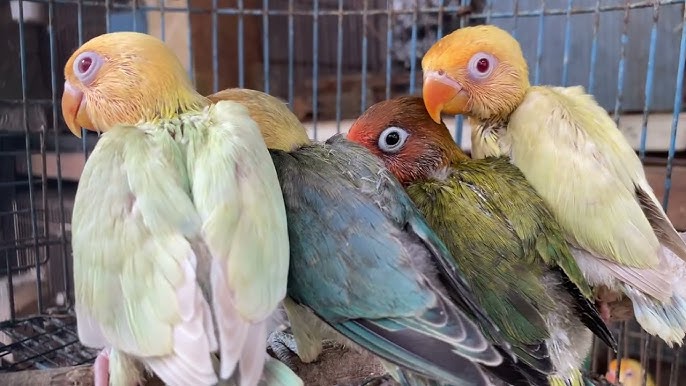
Are you ready to bring a splash of color and joy into your home with lovebirds? These charming little birds are full of personality and can become wonderful companions.
But to keep your lovebirds happy and healthy, you need to know exactly how to care for them. In this guide, you’ll discover simple, effective tips that make a big difference. From feeding and housing to understanding their behavior, everything you need to give your lovebirds the best life is right here.
Keep reading, and you’ll soon be a confident, caring lovebird owner.
Choosing The Right Cage
Choose a cage that is large enoughfor lovebirds to move freely. A cage size of at least 18 x 18 x 24 inchesis best. Bars should be made of non-toxic metalto keep birds safe. Avoid cages with lead or zincas they are harmful.
Place the cage in a quiet, draft-freearea. Keep it away from direct sunlightand kitchens. Lovebirds like a spot with some natural light but not too hot or cold. Make sure the cage is at eye levelfor comfort and security.
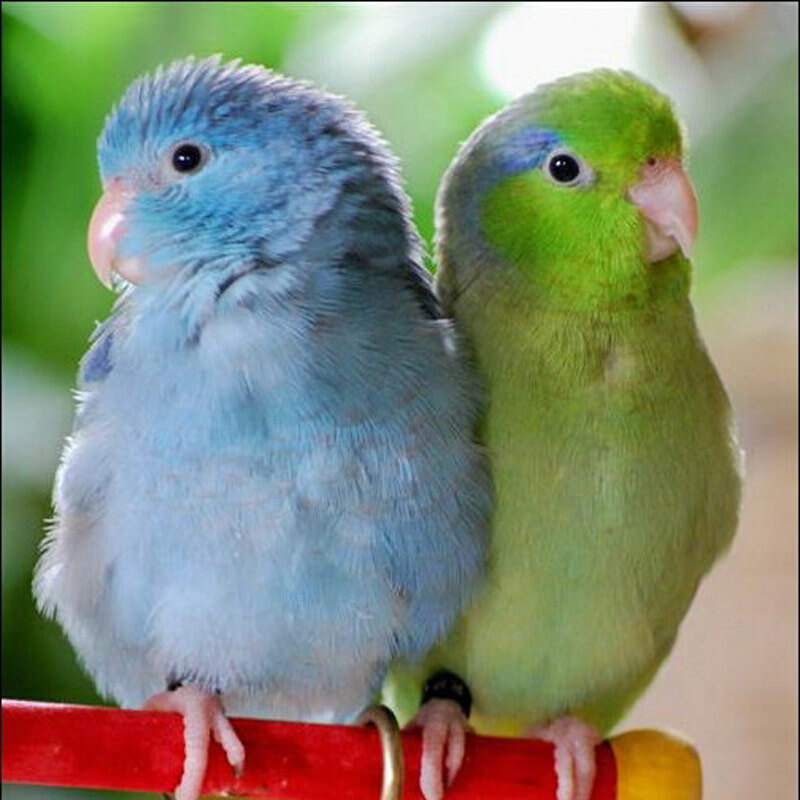
Credit: lafeber.com
Feeding Your Lovebirds
Lovebirds need a balanced dietto stay healthy and happy. Seeds are a good base, but fresh fruits and vegetables add essential vitamins. Offer small pieces of apple, carrot, or spinach. Avoid avocado and chocolate as they are toxic.
Fresh food should be given daily. Remove any uneaten fresh food after a few hours to prevent spoilage. Clean, fresh water must always be available. Change the water every day to keep it clean and safe.
- Seeds form the main diet but are not enough alone.
- Include fresh fruits like apples, pears, and berries.
- Vegetables such as carrots, spinach, and peas are good.
- Remove spoiled food quickly to avoid illness.
- Provide clean water daily and change it often.
Daily Care Routine
Cleaning lovebirds’ cages is a must for their health. Remove waste and old food every day. Change water daily to keep it fresh. Wash perches and toys weekly to stop germs. Use mild soap and warm water only. Avoid strong chemicals that harm birds.
Lovebirds need exercise and play to stay happy. Let them fly outside the cage in a safe room. Provide toys like swings, ladders, and mirrors. Rotate toys often to keep their interest. Spend time talking and playing with them daily. This builds trust and stops boredom.

Credit: www.kwikpets.com
Health And Wellness
Providing a clean and safe cage helps lovebirds feel comfortable and secure. Fresh food, water, and daily social time keep them happy and healthy. Regular cage cleaning prevents illness and promotes a long, joyful life.
Common Illnesses
Lovebirds can get sick easily. Watch for unusual behaviors. Sneezing and coughing are signs of cold. Fluffed feathersshow they might be unwell. If they don’t eat, it’s a big worry. Keep their cage cleanto avoid germs. Always have fresh water for them.
Signs Of Stress
Stress can harm lovebirds. They might scream a lot. Feather pluckingis a big sign of stress. If they hide often, they’re stressed. Changes in their usual activities mean something is wrong. Loud noises can scare them. Make sure their home is quiet and comfortable.
Bonding And Socializing
Building trust with lovebirds takes patience and gentle care. Speak softly and move slowly around them. Offer treats by hand to create positive feelings. Allow birds to approach you first; trust grows with time. Avoid sudden noises or quick movements that scare them.
Encouraging interaction helps lovebirds feel safe and happy. Spend time near their cage daily without forcing contact. Use toys and mirrors to spark their interest. Let them explore outside the cage in a safe room. Social birds stay healthy and show more playful behavior.
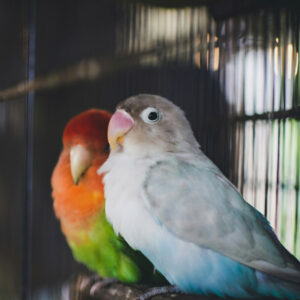
Credit: lafeber.com
Frequently Asked Questions
How Often Should I Clean My Lovebird’s Cage?
Clean the cage weekly to keep your lovebird healthy and happy. Remove waste and replace bedding regularly.
What Is The Best Diet For Lovebirds?
Feed lovebirds a mix of seeds, fresh fruits, and vegetables daily. Fresh water should always be available.
How Can I Tell If My Lovebird Is Healthy?
Look for bright eyes, smooth feathers, and active behavior. Changes in eating or droppings may signal illness.
Conclusion
Caring for lovebirds takes time and patience. Provide fresh food and clean water daily. Keep their cage safe and comfortable. Talk and spend time with them often. Watch for signs of illness or stress. A happy lovebird is a healthy one.
Small steps make a big difference. Enjoy the bond you build together. Lovebirds bring joy and color to life. Treat them kindly, and they will thrive.