If you love watching hummingbirds visit your garden, you know how important it is to keep their feeders filled and fresh. But when cold weather hits, your hummingbird feeders can freeze, leaving these tiny birds without the energy they need to survive.
You don’t want that to happen. Imagine the joy of seeing those quick, colorful visitors all winter long. In this post, you’ll discover simple and effective ways to keep your hummingbird feeders from freezing, so your feathered friends stay happy and healthy—even when the temperature drops.
Keep reading to learn easy tips that work, no matter how cold it gets outside.

Credit: www.amazon.com
Choose The Right Feeder
Plastic feedersare lightweight but may crack in cold weather. Glass feedersare heavier and keep nectar fresher longer. Metal feeders can get very cold and freeze nectar quickly. Choose a feeder made of thick glass or durable plasticto reduce freezing risks.
Feeders with built-in heatersor those designed for winter help keep nectar from freezing. Select feeders with smaller nectar reservoirsto reduce the amount of nectar exposed to cold air. A feeder with red coloringattracts hummingbirds better and helps you spot ice buildup.
- Choose feeders with wide feeding portsfor easy cleaning.
- Protect feederswith covers or shields to block wind.
- Look for feeders that allow easy refilling without removing the entire unit.
Use Warm Nectar Solutions
Warm nectar solutions help keep hummingbird feeders from freezing in cold weather. Using warm nectar slows ice buildup and keeps birds fed longer. This simple trick protects feeders and attracts hummingbirds even on chilly days.
Proper Sugar-to-water Ratio
Mix sugar and water carefully.Use a ratio of 1 part sugar to 4 parts water. This is thinner than usual nectar and freezes slower. Warm the water before mixing sugar. This helps sugar dissolve faster. Make fresh nectar every few days to keep it clean and safe for birds.
Adding Natural Antifreeze
Adding a small amount of natural antifreeze helps nectar stay liquid. Use a few drops of unsweetened fruit juice like lemon or cranberry. These juices lower freezing point without harming birds. Avoid honey or artificial sweeteners. They can cause mold or harm hummingbirds.
Position Feeders Strategically
Place feeders where they can get direct sunlight. The warmth helps keep the nectar from freezing. Morning sun is best because it melts ice early. Avoid shady spots that stay cold all day.
Protect feeders from cold winds. Strong wind makes nectar freeze faster. Use natural barriers like trees or bushes. You can also hang feeders near walls or fences that block wind.
- Sunlight exposurewarms the nectar and keeps it liquid.
- Wind protectionslows down freezing by blocking cold air.
- Choosing a spot with both sunlight and wind protection works best.

Credit: www.amazon.com
Apply Heating Methods
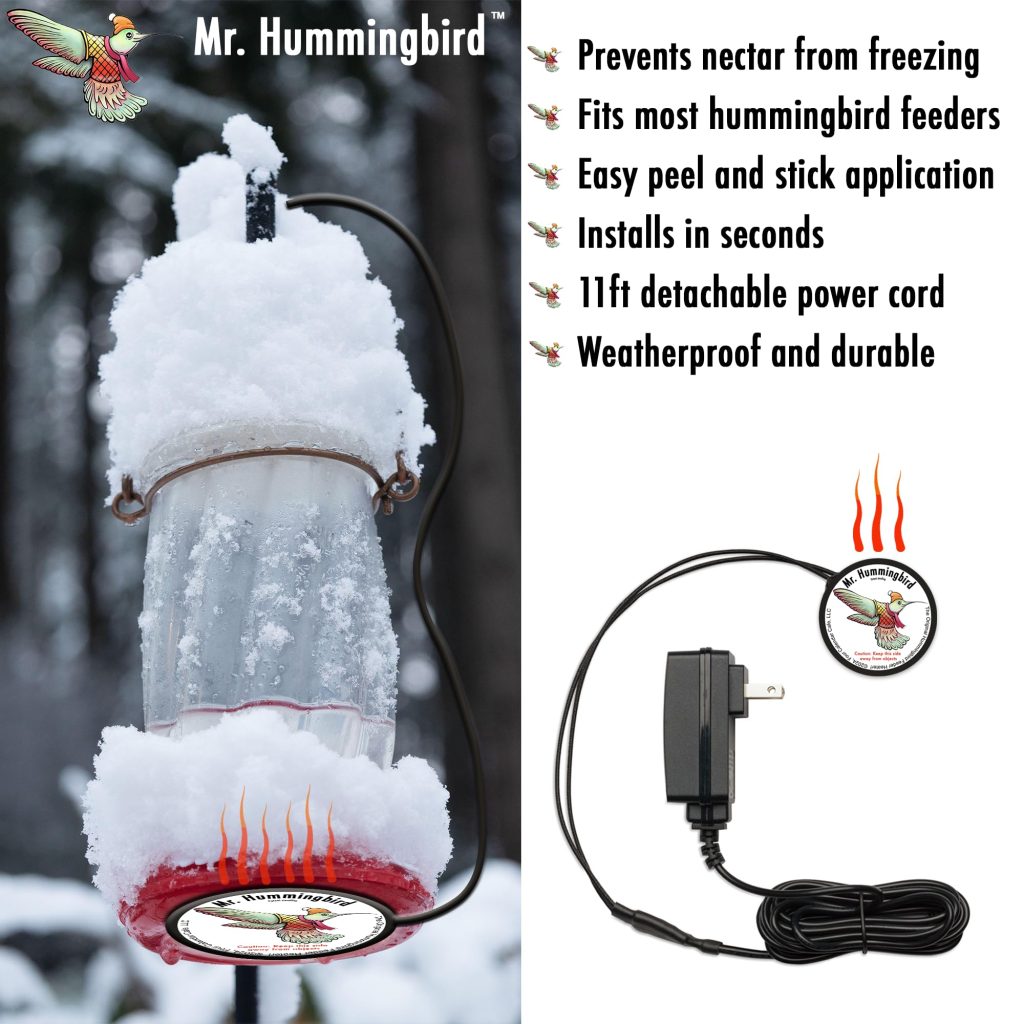
Applying gentle heat near hummingbird feeders prevents nectar from freezing during cold weather. Small heated coils or warm water bottles help keep the nectar liquid and accessible. This simple trick ensures hummingbirds can feed safely in winter.
Heated Feeders
Heated feeders keep nectar from freezing. These feeders use electricity. They have built-in heaters. Hummingbirds can enjoy warm nectar all winter. It helps birds survive cold weather. Choose feeders with adjustable heat settings. These settings save energy. Always check the feeder’s wiring. Ensure it is safe and secure.
Diy Heating Options
Try simple DIY methods for warmth. Wrap feeders with heat tape. Heat tape is easy to use. It keeps feeders warm. Use a small lamp near the feeder. This warms the nectar. Be careful with the light bulb. It should not be too hot. Ensure safety for birds. Avoid open flames. Protect feeders from strong winds. Wind can cool them down quickly.
Regular Maintenance And Monitoring
Refill hummingbird feeders often. Fresh nectar helps keep birds healthy and active. Frequent refills stop the liquid from freezing inside the feeder. Cold weather can freeze the nectar quickly. Check feeders several times a day during freezing temperatures. This simple step keeps feeders usable and birds happy.
Cleaning feeders is key to preventing mold growth. Mold harms hummingbirds and can spoil nectar. Use warm water and mild soap to wash feeders. Rinse well to remove all soap. Clean feeders every time you refill nectar. This keeps feeders safe and attractive to birds.

Credit: www.facebook.com
Frequently Asked Questions
How Can I Prevent Hummingbird Feeders From Freezing Overnight?
Use heated feeder wraps or place feeders in sunny spots. Replace nectar frequently to keep it fresh.
What Type Of Nectar Helps Stop Freezing In Cold Weather?
A 4:1 water to sugar ratio nectar freezes slower than plain water, helping keep feeders liquid longer.
Can I Use Household Items To Keep Feeders Warm?
Yes, small hand warmers or insulated covers can help keep nectar from freezing during cold nights.
Conclusion
Keeping hummingbird feeders from freezing takes a little care. Use warm water to fill the feeder and place it in sunlight. Changing the nectar often helps keep it fresh and liquid. Adding a small heater or moving feeders indoors at night can stop freezing.
Birds need food even in cold weather. These simple steps protect your feeders and help hummingbirds survive winter. Enjoy watching these tiny birds visit all season long.