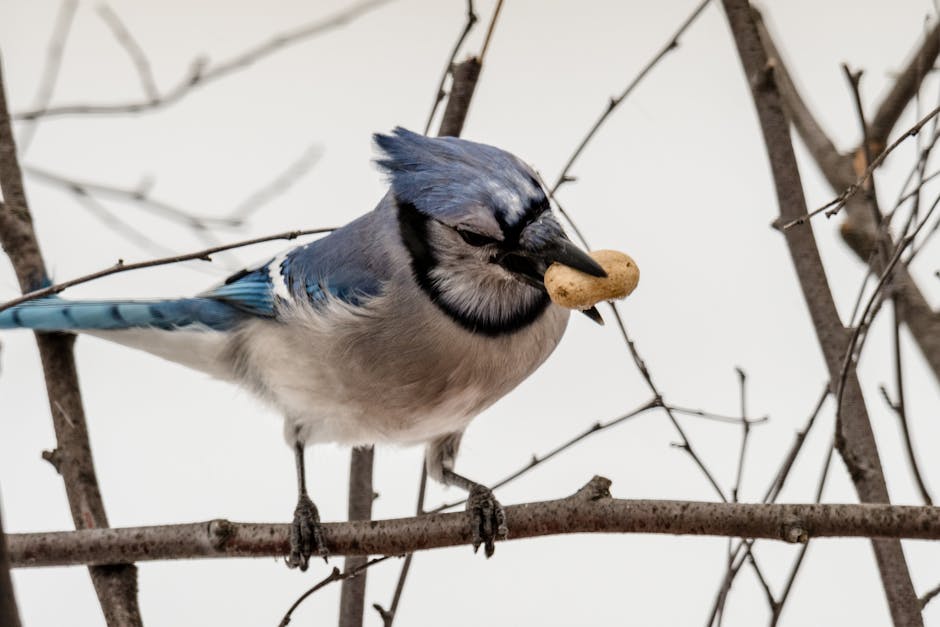
Are you tired of blue jays taking over your bird feeders and scaring away other birds? You’re not alone.
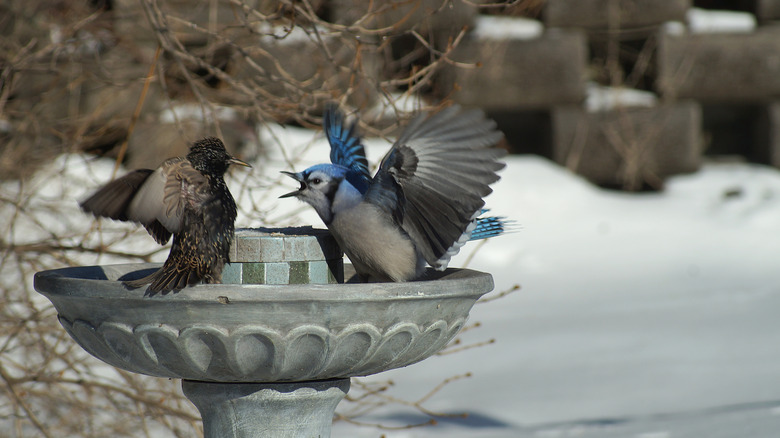
Blue jays are bold and noisy, often dominating feeders and leaving little for the smaller, quieter birds you actually want to attract. But don’t worry—there are simple and effective ways you can keep blue jays at bay without harming them.
You’ll discover easy tips and tricks that work, so you can enjoy a peaceful, bird-filled garden with all your favorite feathered friends. Keep reading to find out how to reclaim your feeders and create a balanced backyard paradise.

Credit: www.facebook.com
Why Blue Jays Visit Feeders
Blue Jaysvisit feeders mainly for easy food access. They like places with plenty of seeds and nuts. These birds are smart and watchful. They often return to spots where they found food before.
Blue Jays eat many types of food. They enjoy nuts like peanutsand acorns. Seeds like sunflower seedsare also favorites. They may eat fruits and insects too. Their strong beaks help crack hard shells easily.
| Attractive Foods for Blue Jays |
|---|
| Peanuts (shelled or unshelled) |
| Sunflower seeds (especially black oil) |
| Acorns |
| Suet cakes |
| Fruits like berries and apples |
Credit: www.housedigest.com
Choosing The Right Feeder
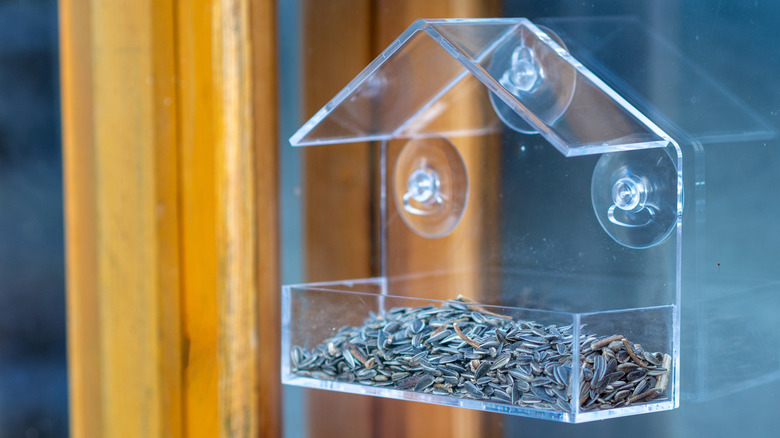
Tube feederswith small feeding ports limit access for blue jays. These birds struggle to reach inside narrow openings. Mesh feedersthat hold small seeds like nyjer can also deter blue jays, as they prefer larger seeds. Avoid open tray feeders, as they are easy for blue jays to use.
Place feeders away from trees or fences. Blue jays like to perch nearby before visiting feeders. Hanging feeders at least 10 feet from cover helps reduce visits. Use poles with baffles to stop jays from climbing. Moving feeders regularly can also confuse them.
Food Selection To Limit Blue Jays
Choosing seeds like safflower or nyjer can help keep blue jays away from feeders. Avoid sunflower and corn, which attract them the most. Offering small, shelled seeds may also reduce their visits.
Seeds Blue Jays Avoid
Blue Jays dislike certain seeds. Try using nyjer seedsin feeders. They are tiny and not liked by Blue Jays. Safflower seedsare another option. Blue Jays find them bitter and leave them alone. These seeds attract small birds. Jays prefer larger seeds, so they stay away.
Alternative Bird Foods
Offer foods that Blue Jays avoid. Use suet cakeswith insects or fruits. Jays prefer nuts and corn. Mealwormsare great for attracting small birds. They are not a favorite of Blue Jays. Adding fruits like oranges or apples can help too. Blue Jays will move on for better snacks.
Physical Deterrents
Using baffles and guardshelps stop Blue Jays from reaching feeders. Baffles are dome-shaped or cone-shaped devices placed above or below feeders. They block jays from climbing or flying directly to the food. Guards cover seed ports, allowing small birds in but keeping jays out.
Visual deterrent techniquesmake feeders less inviting for Blue Jays. Hanging shiny objects like aluminum foil strips or old CDs nearby can scare them away. Moving reflective surfaces catch light and cause quick flashes that Blue Jays dislike. Some people use fake owls or hawks near feeders to create fear.
Sound And Motion Deterrents
Noise makersand alarms can help keep blue jays away from feeders. Sounds that are loud or sudden can scare birds.
Try placing small bells or wind chimes near your feeder. The random noise can make blue jays feel unsafe. Motion-activated alarms that produce sound when birds come close can also work well.
Moving objectsare another good way to frighten blue jays. These birds dislike things that move quickly or unpredictably.
- Hang shiny objects like aluminum foil strips or old CDs near feeders.
- Wind spinners or small flags fluttering in the breeze can scare them away.
- Use fake owls or snakes that move with the wind to create fear.
Changing the position of these objects often helps keep blue jays confused and away for longer.
Credit: www.housedigest.com
Habitat Modifications
Trimming nearby treeshelps reduce blue jay perches close to feeders. Cut branches that lead directly to feeders. This makes it harder for blue jays to jump onto feeders quickly. Keep trees and shrubs well-maintained to limit hiding spots. Open spaces near feeders discourage blue jays from staying.
Creating alternative feeding areascan distract blue jays. Place a separate feeder far from your main feeder. Use food blue jays like, such as peanuts or sunflower seeds, in the alternative area. This keeps them busy and away from your favorite feeders. Make sure this spot is safe and quiet.
Maintenance And Monitoring
Clean bird feeders often to prevent mold and bad smells. Dirty feeders attract unwanted birds like Blue Jays. Use warm water and mild soap for cleaning. Rinse well to remove all soap. Dry feeders completely before refilling. This keeps food fresh and less appealing to Blue Jays.
Watch how Blue Jays behave around your feeders. Notice the time they visit and what food they prefer. Use this info to change feeding times or food types. This helps reduce Blue Jay visits. Moving feeders to new spots may also discourage them.
Frequently Asked Questions
Why Do Blue Jays Visit Bird Feeders Often?
Blue jays like easy food sources. Bird feeders offer seeds and nuts they enjoy.
What Foods Repel Blue Jays From Feeders?
Blue jays dislike safflower seeds and nyjer seeds. Use these to keep them away.
How Can I Protect Small Birds From Blue Jays?
Use feeders with small openings and place feeders in sheltered spots to protect small birds.
Conclusion
Keeping blue jays away from bird feeders takes patience and the right steps. Use feeders designed to limit large birds. Choose seeds that blue jays do not like. Place feeders in spots hard for them to reach. Watch how birds visit and adjust as needed.
Protecting your feeders helps small birds enjoy the food. Enjoy your backyard birds peacefully and without trouble. Small changes can make a big difference. Stay consistent and enjoy watching your favorite birds.