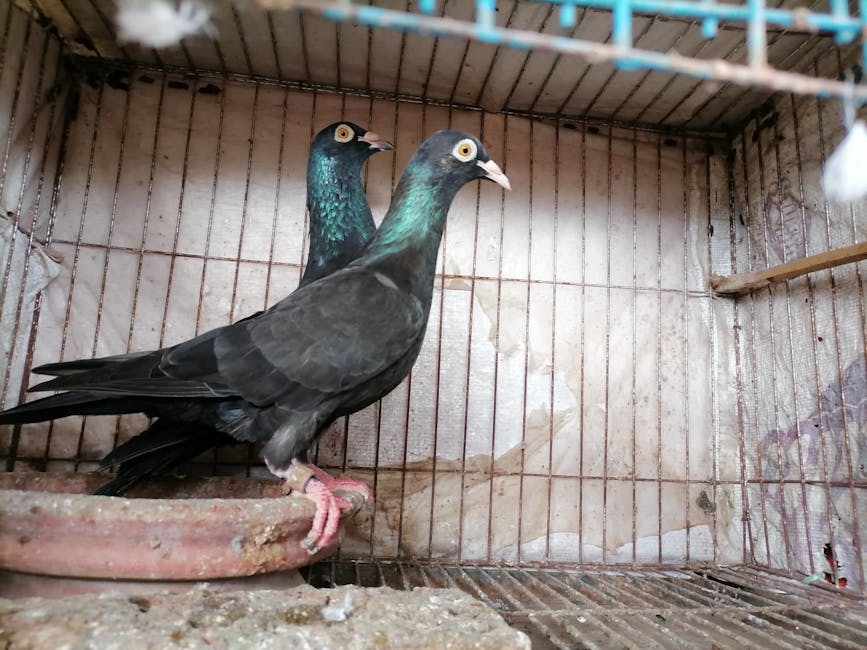
Are birds constantly swooping around your home, leaving droppings and causing damage? You’re not alone, and the good news is there are simple ways to keep them away.
Imagine enjoying your outdoor space without worrying about noisy flocks or messy nests. You’ll discover easy, effective methods to protect your home and reclaim your peace. Keep reading, because the solution to your bird problem is closer than you think.
Common Bird Problems At Home
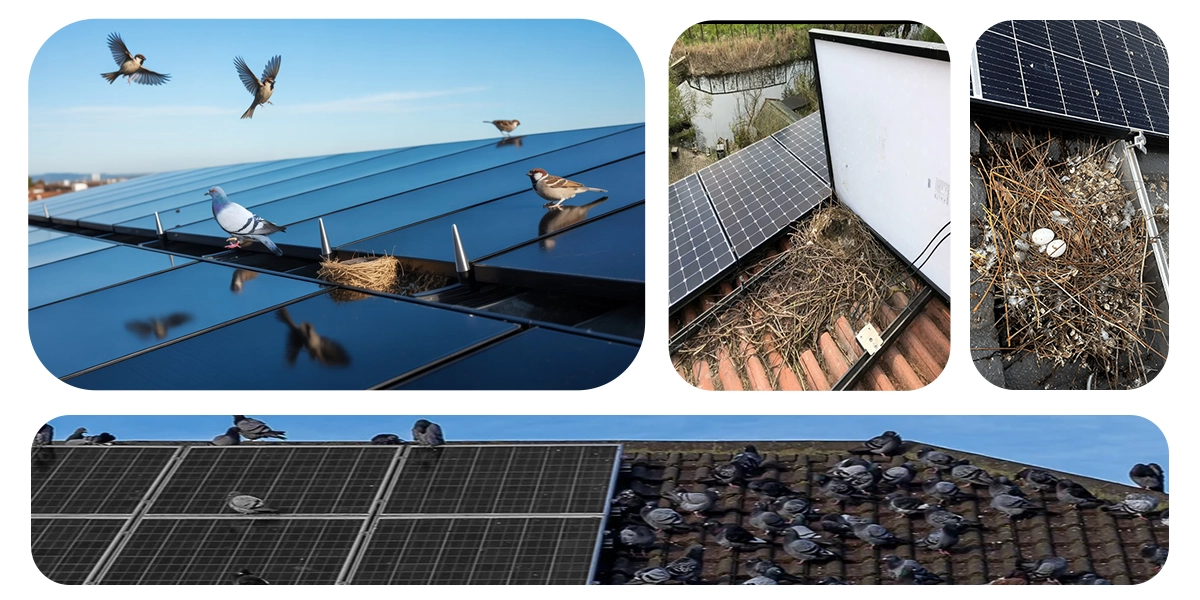
Birds can cause serious damageto homes. They may peck at roofsand gutters, which can lead to leaks. Birds also build nestsin vents and chimneys, blocking airflow. Their nests can cause fire hazards. Some birds leave droppings that stain wallsand damage paint. Bird droppings are acidicand can corrode metalsurfaces.
Bird droppings also pose health risks. They can carry diseaseslike histoplasmosis and salmonella. These illnesses spread through dried droppings that become airborne. Droppings attract mitesand parasites, which can bite humans and pets. Cleaning bird droppings without protection can cause respiratory problems. Keeping areas clean and using protective gearis important for safety.
Physical Barriers To Deter Birds
Bird spikesare thin rods placed on ledges and roofs. They stop birds from landing and nesting. Made from plastic or metal, spikes blend well with surfaces. Spikes do not harm birds but make landing hard.
Netting and screenscreate a physical barrier that keeps birds out. Nets cover gardens, balconies, or vents. They block bird access while allowing air and light. Screens work well on windows and small openings. Choose strong and weather-resistant materials for long use.
- Spikes fit on narrow spaces like window sills.
- Netting covers large areas such as gardens.
- Screens protect vents and small openings.
- Both methods are safe and humane.
Natural Repellents And Scare Tactics
Reflective objects are simple tools to scare birds away. Shiny surfaces catch sunlight and create bright flashes. These flashes confuse and frighten birds, making them avoid the area. Common items include:
- Old CDs or DVDs
- Reflective tape
- Mirrors
- Aluminum foil strips
Hang these objects where birds like to perch or nest. Move them occasionally to keep birds from getting used to them.
Sound devices emit noises that birds find unpleasant. These sounds can mimic predators or loud alarms. Birds hear these and choose to fly away. Types of sound devices include:
- Ultrasonic bird repellents
- Predator calls
- Alarm sounds
Place sound devices near bird-prone spots. Change sound patterns for better results. Keep volume moderate so it does not disturb neighbors.

Credit: www.lenonlures.com
Maintaining Your Yard To Discourage Birds
Keeping your yard clean and free of food scraps helps discourage birds from settling. Trimming trees and bushes removes nesting spots, making your home less inviting for birds. Removing standing water also reduces places where birds can drink and bathe.
Removing Food Sources
Birds love seeds and crumbs. Keep your yard clean. Remove fallen fruits quickly. Store garbage in sealed bins. Avoid leaving pet food outside. Cover compost with a lid. These actions remove tempting food. Hungry birds will seek food elsewhere.
Trimming Trees And Shrubs
Birds nest in thick branches. Trim trees regularly to reduce nesting spots. Keep shrubs neat and tidy. This makes it hard for birds to hide. Maintain a short grass length. Birds prefer tall grass for shelter. Regular trimming helps deter them.
Humane Trapping And Relocation Options
Humane trapping captures birds safely without harm. Relocating them far from your home helps prevent their return. This method protects birds and keeps your space bird-free.
Legal Considerations
Trapping birds requires following local wildlife laws. Many birds are protected by law. Permits may be needed before trapping. Check with wildlife agencies first. Avoid harming birds during trapping and relocation. Illegal trapping can lead to fines or penalties. Always use humane traps that do not injure birds.
Best Practices For Relocation
Relocate birds at least 5 miles away from your home. Choose a safe area with food and water. Release birds early in the morning. Do not release birds near other homes. Monitor traps often to reduce stress on birds. Clean traps after each use to prevent disease. Relocation helps protect both birds and your property.
Credit: solarsme.com
Credit: www.callnorthwest.com
Frequently Asked Questions
How Can I Naturally Keep Birds Away From My Home?
Planting prickly bushes and using reflective surfaces can discourage birds from landing near your home.
What Safe Methods Prevent Birds From Nesting On My Property?
Installing bird spikes, nets, or decoys like owls helps stop birds from nesting safely.
Why Do Birds Keep Coming Back Despite My Efforts?
Birds return due to food sources, shelter, or lack of effective deterrents around your home.
Conclusion
Keeping birds away from your home is simple with the right steps. Use safe and natural methods to avoid harm. Regularly check and clean areas where birds like to stay. Small changes make a big difference over time. Stay patient and consistent for the best results.
Your home will feel more comfortable and clean. Try these ideas and enjoy a bird-free space today.