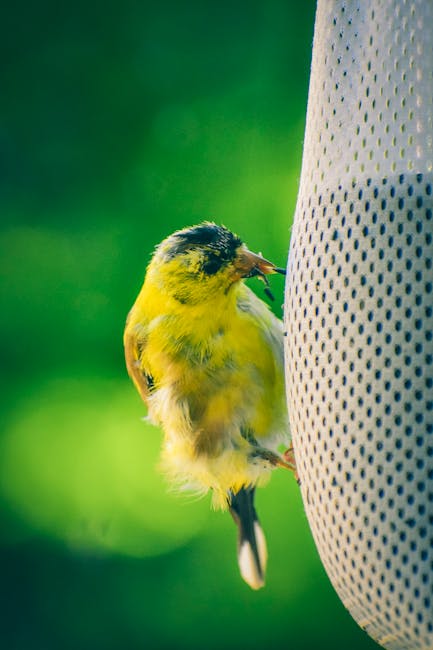
Have you ever wanted to bring more life and color to your backyard? Hanging a bird feeder is one of the easiest and most rewarding ways to do just that.
Imagine watching beautiful birds visit your garden daily, adding a peaceful, natural touch to your space. But if you’re unsure where to start or worried about doing it wrong, don’t worry—you’re in the right place. In this guide, you’ll learn simple, step-by-step tips to hang a bird feeder that attracts the most feathered friends and keeps them coming back.
Ready to turn your outdoor space into a bird paradise? Let’s dive in!
Choosing The Right Bird Feeder
Bird feeders come in many types. Tube feeders hold seeds and suit small birds. Hopper feeders store more food and attract larger birds. Platform feeders offer an open space for many birds to feed at once. Suet feeders are good for insect-eating birds. Each type serves a different purpose and bird preference.
Materials affect durabilityand safety. Metal feeders resist squirrels and last longer. Plastic feeders are lightweight but may break easily. Wood feeders blend well with nature but need regular care to avoid rotting. Choose a material that fits your climate and bird types.
Select feeders based on your local birds’ needs. Small seeds attract finches and chickadees, while larger seeds suit cardinals and jays. Consider feeder size for the number of birds visiting. Easy cleaning is important to keep birds healthy. Think about placing feeders where birds feel safe from predators.

Credit: www.amazon.com
Picking The Perfect Location
Choose a spot where birds can feel safeand visible. Place the feeder near trees or bushes. These provide coverand a quick escape from predators.
Keep the feeder away from places where cats or squirrels can easily reach it. Avoid open areas with no protection. This reduces the risk of birds being caught.
Pick a location that gets morning sunlight. It helps keep the food dry and fresh. Also, find a place with some shelterfrom strong winds or heavy rain.
- Near shrubs or trees for safety
- Visible to bird watchers
- Away from predator paths
- Morning sunlight preferred
- Protected from harsh weather
Gathering Necessary Tools
A few tools help hang the bird feeder safely. Start with a sturdy ladder or step stool. A reliable hammer for nailing hooks. Use a drill for tougher surfaces. A measuring tape ensures precise placement. Strong hooks or brackets hold the feeder well. Select weatherproof rope or chain to hang the feeder securely.
Safety is important when hanging feeders. Wear gloves to protect hands. Use goggles to shield eyes from debris. A hard hat keeps your head safe from falls. Ensure stable footwear for a firm grip. A safety harness can prevent falls from high places.
Credit: www.amazon.com
Step-by-step Hanging Process
Choose a bird feeder that suits your garden and bird types. Clean the feeder to remove dirt or old seeds. This helps keep birds healthy.
- Find the hooks or hangers that came with the feeder.
- If none, buy a strong hook or wire that fits the feeder.
- Attach hooks firmly to the feeder’s top or handle.
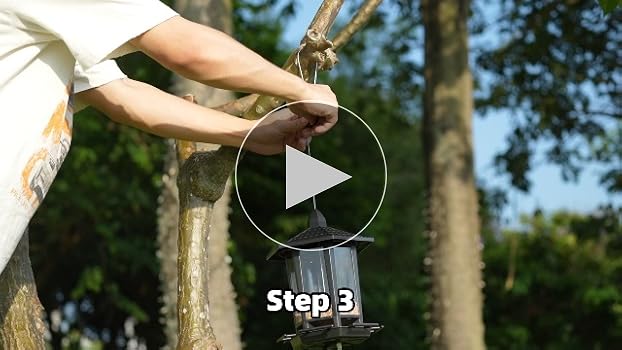
Pick a sturdy place to hang the feeder. Use a tree branch, pole, or hook that can hold the feeder’s weight.
Make sure it is safe from predators and easy for birds to reach.
Secure the feeder by tying the hook or wire tightly. Double-check that it won’t fall or swing too much.
Filling And Maintaining The Feeder
Choosing bird seeddepends on the birds you want to attract. Sunflower seedsare popular for many birds. Nyjer seedsare great for finches. Avoid seeds that attract unwanted pests.
Cleaning the feeder regularly keeps birds healthy. Wash the feeder every two weeks using warm, soapy water. Rinse well and let it dry completely before refilling. This prevents mold and bacteria growth.
Refill the feeder as needed to keep seed fresh. Check the feeder daily in busy seasons. Fill it when the seed is low but avoid overfilling. Old seed can spoil and waste food.

Credit: www.tiktok.com
Attracting Birds To Your Feeder
Providing a reliable water sourcenear your bird feeder helps attract more birds. A shallow birdbath or small pond works well. Keep the water clean and fresh to invite frequent visits. Moving water, like a small fountain, draws extra attention.
Planting bird-friendly plantsaround the feeder creates a natural habitat. Choose native trees, shrubs, and flowers that offer food and shelter. Plants like sunflowers, coneflowers, and berry bushes provide seeds and berries birds love.
Keep the area quiet and safe to reduce disturbances. Place feeders away from busy walkways or noisy equipment. Avoid using pesticides or loud lawn tools nearby. This helps birds feel calm and comfortable visiting your feeder.
Frequently Asked Questions
How High Should I Hang A Bird Feeder?
Hang the feeder 5 to 6 feet above the ground. This keeps birds safe from predators.
What Type Of Bird Feeder Is Best For Beginners?
A platform or tube feeder is easy to use and attracts many bird types.
How Do I Keep Squirrels Away From My Bird Feeder?
Use squirrel baffles or hang the feeder far from trees and fences.
Conclusion
Hanging a bird feeder brings birds closer to your home. Choose a safe spot away from predators. Use sturdy hooks or branches to hang it well. Fill your feeder with fresh seeds to attract birds. Clean the feeder regularly to keep birds healthy.
Enjoy watching different birds visit every day. Small steps create a happy bird-friendly space. Start today and welcome nature’s beauty right outside.