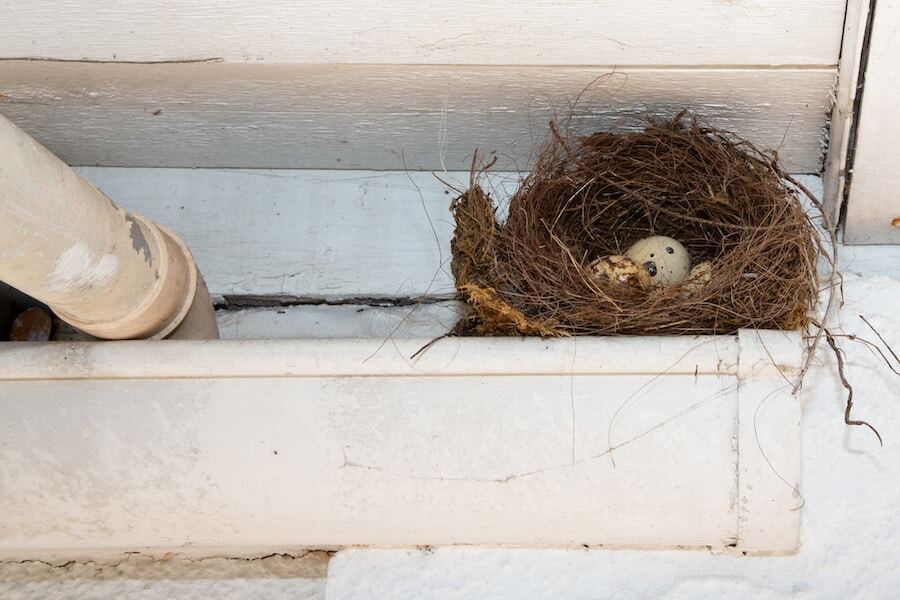
Are you dealing with birds building nests where you don’t want them? Nesting birds can cause damage, create noise, and leave behind a mess that’s hard to clean.
You might feel stuck, unsure how to handle the problem without harming the birds. The good news is, there are simple and effective ways you can get rid of nesting birds safely and keep them from coming back. Keep reading to discover practical tips that protect your space and give you peace of mind.
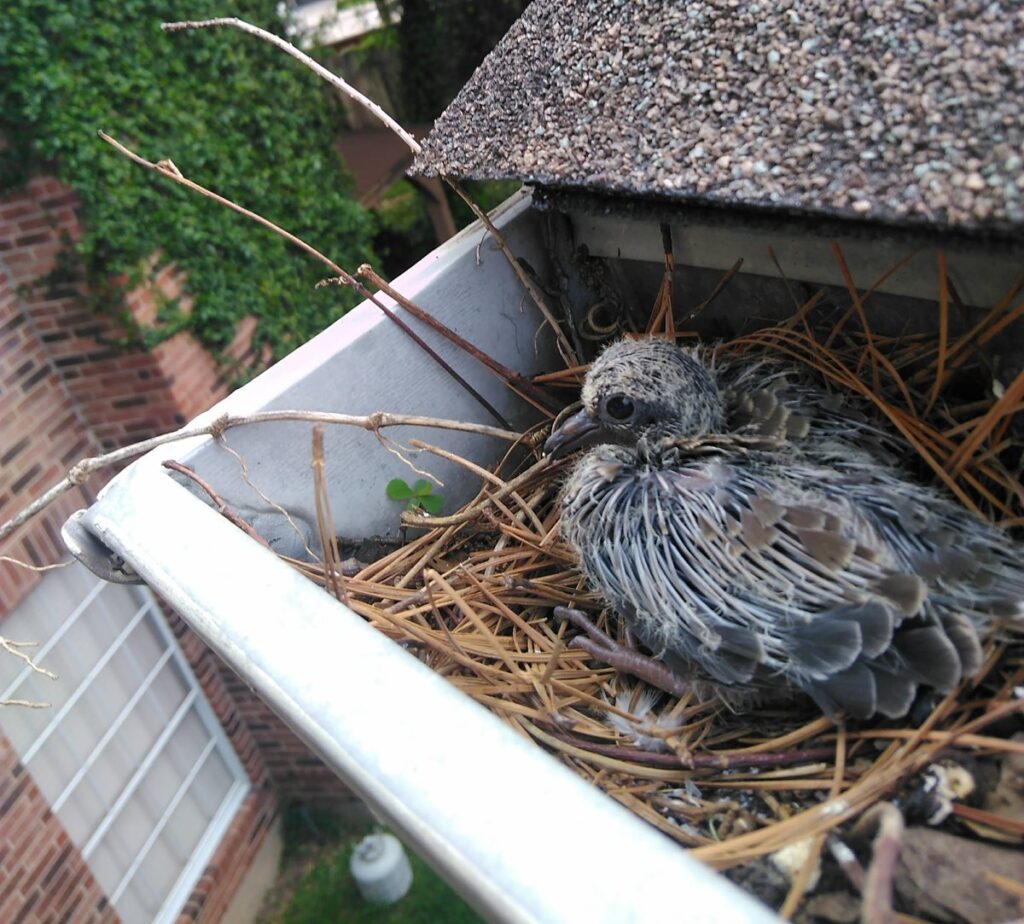
Credit: www.crittercontrol.com
Reasons To Deter Nesting Birds
Nesting birdscan bring several problems. They carry diseasesthat may harm people. Bird droppings can spread germs and cause health risks. Their nests may block air vents or gutters, creating fire hazardsor water damage.
Birds often use sticks and mud to build nests. This can damage roofs, walls, and outdoor furniture. Droppings can stain surfaces and make areas slippery and unsafe. Repair costs can add up quickly.
| Legal Considerations |
|---|
| Many birds are protected by law. Removing nests during breeding season can be illegal. |
| Check local rules before taking action. Avoid disturbing active nests to stay compliant. |
| Some species require special permits for removal or relocation. |

Credit: www.familyhandyman.com
Identifying Common Nesting Birds
Many birds like to build nests near homes. Common types include sparrows, pigeons, and starlings. These birds choose places like eaves, vents, and attics.
Signs of nesting birds are easy to spot. You might hear chirping soundsearly in the morning. Small piles of twigs, feathers, or leavesnear windows or roofs also show nesting.
Bird droppings below vents or ledges can mean a nest is nearby. Sometimes, you may see parent birds flying back and forth to a spot. This behavior often shows they are feeding chicks.
| Bird Type | Common Nesting Spots | Signs of Nesting |
|---|---|---|
| Sparrows | Eaves, vents, shrubs | Chirping, twigs, droppings |
| Pigeons | Roofs, ledges, balconies | Feathers, droppings, cooing |
| Starlings | Attics, vents, chimneys | Chirps, nesting material, flying back and forth |
Preventive Measures
Identify all gaps and holes in your house. Use strong materials to cover them. Birds can’t nest if they can’t enter. Check roofs, vents, and windows. Make sure to seal every small opening. This keeps birds outside.
Place bird spikes on ledges and roofs. They stop birds from landing. Nets can cover large areas like gardens. They are strong and prevent birds from entering. Spikes and nets are safe and effective methods.
Hang shiny objects like CDs or foil strips. They scare birds away. Use fake owls or snakes. Place them near nesting spots. Birds think they are real and stay away. Change their location often for best results.
Humane Deterrent Techniques
Sound-based repellentsuse loud noises or distress calls. These sounds scare birds away. They work best if sounds change often. Birds get used to the same noise quickly.
Decoy predatorslook like real animals. Fake owls, hawks, or snakes make birds feel unsafe. Moving decoys are more effective. Place them where birds like to nest.
Light and motion sensorsactivate bright lights or sounds. Sudden light or noise startles birds. This stops them from staying near your home. Sensors work well at night or dawn.
Safe Nest Removal Practices
Remove nests only after birds leave.Many birds stay in nests only during breeding. Wait until young birds have flown away. Disturbing nests with eggs or chicks can harm birds and is often illegal.
Handling eggs or chicks needs care and respect. Do not touch or move them. If found, contact local wildlife or animal control for help. Protecting young birds helps nature stay balanced.
Many laws protect birds and their nests. Some species have full protection all year. Check local rules before removing nests. Violating these laws can cause fines or penalties.
| Topic | Key Points |
|---|---|
| When to Remove Nests | Remove only after birds leave Avoid disturbing eggs or chicks |
| Handling Eggs and Chicks | Do not touch or move Contact wildlife experts for help |
| Legal Restrictions | Many birds are protected Check local laws before removal Fines may apply for violations |

Credit: swibirds.org
Long-term Bird Control Tips
Prevent birds from nesting by sealing entry points and removing old nests regularly. Use bird spikes or nets to block popular spots. Keep areas clean to discourage birds from settling long-term.
Maintaining Bird-free Zones
Keep outdoor areas clean and free of food scraps. Remove old nests quickly to prevent reuse. Use bird spikes or nets on ledges and roofs. Seal openings where birds can enter buildings. Trim trees and shrubs near your home to reduce nesting spots.
Regular Property Inspections
Check your property often for signs of birds settling. Look for feathers, droppings, or nesting materials. Early detection helps stop birds before nests grow. Fix any damage that might allow birds inside. Keep gutters and vents clear to avoid shelter spots.
Community Cooperation
- Work with neighbors to keep the area clean.
- Share tips on bird control and prevention.
- Report large bird infestations to local authorities.
- Organize community clean-up days to remove nests.
- Support local wildlife rules while managing birds.
Frequently Asked Questions
How Can I Safely Remove Nesting Birds From My Property?
Use gentle deterrents like noise or visual scare devices. Avoid harming birds or their nests.
What Legal Rules Protect Nesting Birds During Removal?
Many birds are protected by law. Check local rules before taking action.
What Are The Best Ways To Prevent Birds From Nesting Again?
Seal entry points and keep areas clean. Use bird spikes or netting to block nests.
Conclusion
Nesting birds can cause problems around your home. Taking steps early helps stop them from settling. Use gentle methods to keep birds away safely. Always check local rules before removing nests. Patience and care lead to good results. Protect your space without harming wildlife.
Small actions make a big difference over time. Stay consistent and watch your efforts pay off. Keep your home clean and free from attractants. Peaceful living is possible with simple bird control.