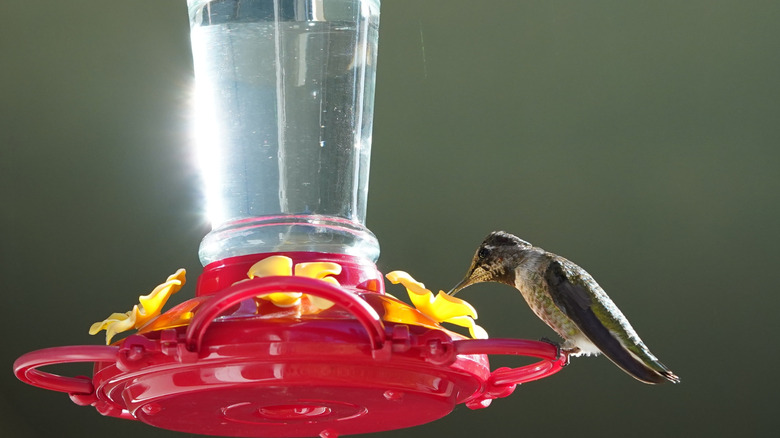
If you want to attract bright, buzzing hummingbirds to your yard, knowing how to fill a hummingbird feeder the right way is key. It’s not just about pouring sugar water into a container—doing it correctly keeps the birds safe and coming back for more.
In this guide, you’ll learn simple steps that make filling your feeder easy and effective, so you can enjoy the magic of hummingbirds fluttering around your garden every day. Ready to become a hummingbird’s favorite host? Let’s get started!
Choosing The Right Feeder
Hummingbird feeders come in many types and styles. Some have multiple feeding portswhile others are simple. The most common types include:
- Plastic feeders– lightweight and easy to clean.
- Glass feeders– durable and attractive but heavier.
- Ant-proof feeders– designed to keep ants away.
- Perch feeders– with small perches for hummingbirds to rest.
Choosing the right materialaffects feeder lifespan and bird safety. Bright red parts attract hummingbirds.
| Size | Capacity | Best Use |
|---|---|---|
| Small | 4-8 ounces | Few birds or short visits |
| Medium | 12-16 ounces | Regular visitors, moderate nectar use |
| Large | 20+ ounces | Many hummingbirds, long-lasting supply |
Pick a feeder size that fits how many birds visit and how often you refill nectar.
Selecting The Best Nectar
Choose nectar made from four parts water to one part white sugar for the best hummingbird feeder fill. Avoid using honey or artificial sweeteners, as they can harm birds. Fresh nectar attracts more hummingbirds and keeps them healthy.
Simple Nectar Recipe
Use plain water and white granulated sugar only. Mix four parts water to one part sugar. Stir until the sugar dissolves completely. Do not use honey, artificial sweeteners, or red dye. These can harm hummingbirds.
Avoiding Harmful Ingredients
- Skip honey because it can grow mold.
- No food coloring; it is not needed.
- Avoid artificial sweeteners; they don’t feed birds.
- Use only clean, fresh water and sugar.
Storing Nectar Safely
Keep nectar in a clean, sealed container. Store it in the fridge to slow spoilage. Use fresh nectar every 3-5 days. Throw away old nectar to protect birds from illness.
Preparing The Feeder
Cleaning the hummingbird feeder before filling is very important. Use warm water and mild soap to wash all parts. Rinse well to remove soap residue. Avoid strong chemicals that can harm birds. Let the feeder dry completely before filling. This stops mold growth and keeps nectar fresh.
Assembling the feeder properly ensures no leaks and easy feeding. Check that all parts fit tightly. Make sure the feeding ports are clear and open. Attach the base securely to the nectar container. A well-assembled feeder keeps birds safe and happy.
Filling The Feeder
Use a measuring cup or spoon to pour the nectar. This helps keep the right amount for hummingbirds. Too much nectar can spoil quickly.
Hold the feeder over a sink or tray. Pour slowly to avoid spills. Wipe any drips with a clean cloth. This keeps ants and bees away.
Check the feeder’s lid or cap. Twist it firmly to close the feeder tightly. A secure lid stops leaks and keeps nectar fresh.
Keep the feeder upright while carrying it. Place it in a shaded spot to protect nectar from heat. This keeps hummingbirds happy and healthy.
Placing The Feeder
Choose a bright spot for the feeder. Hummingbirds love sunshine. Place it near flowers. They like bright colors. Hang it at eye level. This helps them find it easily.
Keep feeders away from cats and dogs. These animals can scare birds. Avoid busy places. Loud noises make birds fly away. Hang feeders away from windows. Birds can crash into glass.
Make sure birds can reach the feeder. Keep branches clear around it. This gives birds room to fly. Place it near a perch. Birds rest and eat easier this way.

Credit: www.tiktok.com
Maintaining The Feeder
Keeping a hummingbird feeder cleanis very important. Nectar should be replaced every 3 to 5 days. In hot weather, change it more often to prevent fermentation.
Check the feeder daily for mold. Mold can harm the birds. Use a mild soapand hot water to clean the feeder. Rinse well to remove all soap.
- Empty old nectar before refilling.
- Clean all parts of the feeder, including ports and perches.
- Dry the feeder completely before adding new nectar.
- Keep the feeder in a shaded spot to slow nectar spoilage.
Encouraging Hummingbirds To Visit
Planting bright flowerslike red, orange, or pink helps attract hummingbirds. These colors catch their eye quickly. Flowers also provide natural nectar, encouraging visits.
Place multiple feedersin different spots. This reduces competition among birds. It also increases chances of hummingbirds finding food. Keep feeders clean to avoid mold and bacteria.
- Feed hummingbirds early in the morning and late afternoon.
- Refill feeders every few days, especially in hot weather.
- Remove feeders at the end of the season to prevent attracting pests.

Credit: www.facebook.com

Credit: www.hummingbirdsociety.org
Frequently Asked Questions
How Do I Prepare Sugar Water For A Hummingbird Feeder?
Mix four parts water with one part white sugar. Boil, then cool before filling the feeder.
How Often Should I Refill My Hummingbird Feeder?
Refill the feeder every 3 to 5 days, or sooner in hot weather to prevent spoilage.
How Can I Clean My Hummingbird Feeder Properly?
Use hot, soapy water and a brush. Rinse well to remove all soap before refilling.
Conclusion
Filling a hummingbird feeder is simple and rewarding. Use fresh sugar water and clean the feeder well. Keep the nectar free from mold or dirt to protect the birds. Place the feeder where hummingbirds can easily find it. Watch these tiny birds enjoy their sweet treat.
Small steps make a big difference for your garden visitors. Enjoy the beauty and life that hummingbirds bring.