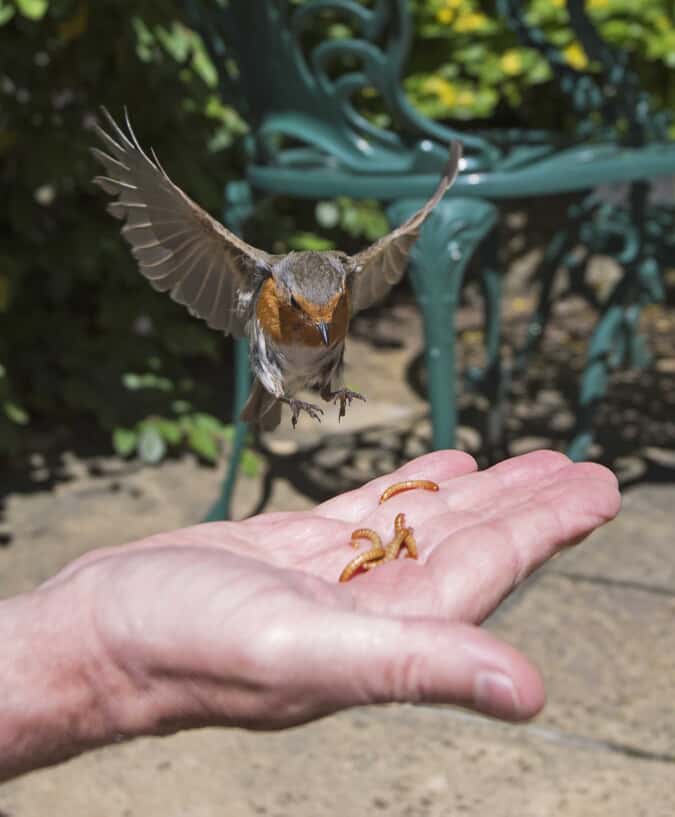
If you want to give your birds a healthy, protein-packed treat, mealworms are one of the best options you can offer. But how do you feed mealworms to birds safely and effectively?
You might be wondering if mealworms are right for your feathered friends or how to introduce them without causing any harm. Keep reading, and you’ll discover simple tips and easy steps that will make feeding mealworms a rewarding experience for both you and your birds.
By the end, you’ll feel confident knowing exactly how to provide this nutritious snack in a way that keeps your birds happy and healthy.

Credit: www.facebook.com
Benefits Of Mealworms For Birds
Mealwormsare a great source of proteinfor birds. They help birds grow strong and stay healthy. Birds love the crunchy texture and taste of mealworms.
Mealworms are easy to digest and full of energy. They provide important nutrientslike vitamins and minerals that support bird health. These worms also help birds during breeding season by improving their strength.
- Boost birds’ immune system
- Help maintain healthy feathers
- Support growth of young birds
- Offer a natural food source
Feeding mealworms can attract more birds to your garden. It encourages natural feeding behavior and keeps birds active.
Choosing The Right Mealworms
Mealwormscome in different types. Choose liveor dried mealwormsbased on bird species and preference. Live mealworms are soft and fresh. Birds love them, especially wild birds like bluebirds and robins. Dried mealworms last longer and are easier to store. They are good for indoor birds like pet parrots.
Pick mealworms that are cleanand healthy. Avoid any with bad smell or mold. Mealworms should be small to medium-sized. Large mealworms might be hard for small birds to eat. For young birds, smaller mealworms are best.
- Live mealworms:soft, fresh, great for wild birds
- Dried mealworms:easy to store, good for indoor pets
- Size matters:small or medium mealworms preferred
- Check quality:no bad smell, no mold
Preparing Mealworms For Feeding
Choose live or dried mealwormsfor feeding birds. Live mealworms are soft and juicy. Dried ones last longer and are easy to store.
Rinse live mealworms gently in cool water to remove dirt. Do not soak them too long. Let them dry before feeding.
Keep mealworms in a cool, dry place if not feeding immediately. Avoid direct sunlight to keep them fresh.
Use a small shallow dish or tray to offer mealworms. This helps birds eat easily without waste.
- Provide fresh mealworms daily for best nutrition.
- Do not feed mealworms that look dark or shriveled.
- Offer mealworms in small amounts to prevent spoilage.
Safe Feeding Techniques
Birds love mealworms, but feeding them safely is key. First, offer fresh mealworms. Fresh ones are more nutritious. Store them in a cool, dry place. This keeps them from spoiling.
Next, use a shallow dish for feeding. This helps birds pick them easily. Avoid deep bowls. Birds might struggle to get mealworms from them.
Place the dish in a safe spot. Birds need protection from predators. High shelves or tree branches work well.
Check the dish regularly. Refill when it’s empty. Remove any spoiled mealworms. Clean the dish often to prevent bacteria.
Always provide clean water nearby. Birds need water to digest mealworms. Ensure the water is fresh and not too cold.
Keep these tips in mind for happy, healthy birds.
Mealworm Feeding Tips For Different Bird Species
Mealwormsare a great source of protein for many bird species. Smaller birds like chickadees and wrens enjoy live mealworms served in shallow dishes. Feeding live mealworms can encourage natural hunting behavior. For larger birds such as blue jays and robins, dried mealworms are easier to handle and less messy.
Ground-feeding birds like sparrows prefer mealworms scattered on the ground or in platform feeders. Woodpeckers and nuthatches often take mealworms from suet feeders mixed with fat. Always provide fresh water near the feeding area.
- Place mealworms where birds feel safe.
- Offer mealworms in small amounts to avoid waste.
- Keep feeding areas clean to prevent disease.

Credit: www.livingwithbirds.com

Credit: www.facebook.com
Frequently Asked Questions
What Are The Best Mealworms To Feed Wild Birds?
Live or dried mealworms are both good; live ones attract more birds quickly.
How Often Should I Feed Mealworms To Backyard Birds?
Offer mealworms a few times a week to keep birds healthy and active.
Can Mealworms Harm Birds If Fed Too Much?
Too many mealworms can upset digestion; feed in small, balanced amounts only.
Conclusion
Feeding mealworms to birds helps keep them healthy and strong. Birds enjoy the taste and get good nutrition. Always offer mealworms in moderation for best results. Make sure the mealworms are fresh and clean before feeding. Watch birds carefully to see how they react.
This simple treat can attract more birds to your yard. Enjoy watching your feathered friends grow happy and active. Keep feeding mealworms safely to support local bird life.