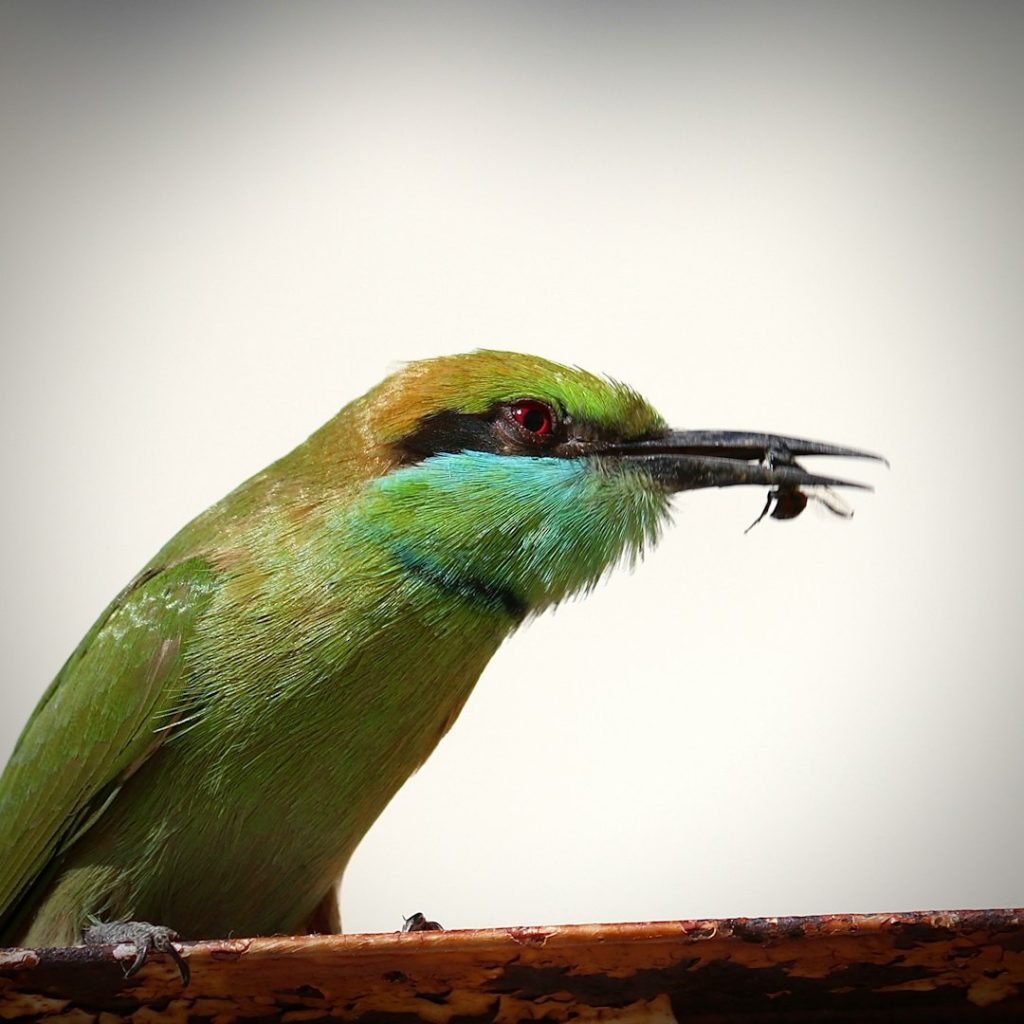
Have you ever wanted to catch the attention of birds with just a simple whistle? Learning how to do a bird whistle can open up a whole new way to connect with nature.
Imagine the thrill of hearing birds respond to your call or attracting their company during a walk. In this guide, you’ll discover easy steps to master this unique skill quickly. Get ready to amaze yourself and everyone around you as you bring the sounds of the wild right to your lips.
Keep reading—you’re about to unlock a fun and rewarding secret!

Credit: www.tiktok.com
Basics Of Bird Whistling
Learning to whistle like a bird begins with shaping your lips and controlling your breath. Practice making a small opening and blowing gently to create clear, high-pitched sounds. Adjusting lip shape and airflow helps mimic different bird calls easily.
What Is Bird Whistling
Bird whistlingmeans making sounds like birds using your mouth. It helps people talk to birdsor enjoy nature sounds. You can learn simple whistles with practice. Using lips and tongue, you create different bird sounds. It is fun and calming.
Common Uses And Benefits
- Helps attract birds for watching or photography.
- Calms the mind and reduces stress with nature sounds.
- Improves breathing control and mouth muscle strength.
- Fun activity for outdoor adventures and camping.
- Connects people with nature in a simple way.

Credit: www.tiktok.com
Preparing Your Mouth And Lips
Place your lips together gently. Make a small gap in the middle.
Use the edges of your lips to create a tight seal. This helps in making a clear whistle sound.
Try different lip shapes. A round shape works best for most people.
Keep your mouth relaxed but firm.
- Take a deep breath before you start.
- Blow air steadily through the small gap between your lips.
- Control your breath speed to change the whistle tone.
- Practice short bursts of air and long, soft blowing.
Step-by-step Whistling Method
Place your lips gently together and blow air steadily to create a clear whistle sound. Adjust lip shape and tongue position to mimic bird calls accurately. Practice regularly to improve control and tone.
Forming The Whistle Shape
Make a “V” shape with your fingers. Use your thumbs and index fingers. Place them together under your tongue. Your tongue should be flat and relaxed.
Producing The First Sound
Blow gently through the gap. Keep lips tight around fingers. Adjust fingers slightly if no sound. Practice until you hear a whistle.
Adjusting Pitch And Tone
To change pitch, move your tongue slightly. Try pushing it forward or backward. Blow harder for a louder sound. Experiment to find the best tone.
Practicing With Different Sounds
Try to copy the sounds of birds you hear around you. Focus on the pitch and rhythm. This helps you learn the different bird calls. Listen closely to each sound. Repeat the sounds slowly at first. Then speed up as you get better.
Change your whistle shape or mouth position to make new sounds. Small changes can make a big difference. Practice soft sounds and loud sounds. Try short whistles and long ones too.
- Listen to a bird call carefully.
- Try to copy the sound with your whistle.
- Change your mouth shape to match the sound.
- Practice with different speeds and volumes.
- Repeat daily to improve your skill.
Common Challenges And Fixes
Airflow problemscan stop the bird whistle from sounding right. Make sure to blow gently and steadily. Blowing too hard or too softly will cause no sound or a weak whistle.
Check your mouth shape. Your lips should be tight but relaxed. A small opening helps air flow smoothly. Try to keep the whistle close to your lips for better control.
- Practice blowing in short bursts to find the right pressure.
- Moisten your lips slightly to reduce air leaks.
- Adjust your tongue position inside your mouth for clear tones.
Consistencycomes with practice. Try to make the same mouth shape and airflow every time. Keep your breathing calm and steady. This helps keep the whistle sound steady and clear.
Tips For Quick Mastery
Practice every day to improve your bird whistle skills. Start with short sessions of 5 to 10 minutes. Gradually increase the time as you get better. Consistency is key to learning quickly.
Use videos and sound recordings of bird whistles to guide you. Watch how others shape their lips and control their breath. Listen carefully to match the pitch and rhythm. This helps your ears and mouth work together.
- Practice in a quiet place to hear the sounds clearly.
- Record your whistle and compare it to real bird sounds.
- Try different whistle styles to find what suits you best.
- Be patient; it takes time to control your breath and lips.

Credit: www.amazon.ca
Frequently Asked Questions
How Do You Make A Bird Whistle Sound?
Place your lips tightly, blow air softly, and adjust your tongue to create a bird-like whistle.
What Materials Can I Use To Make A Bird Whistle?
You can use wood, plastic, or metal to craft a simple bird whistle.
How Can I Improve My Bird Whistle Technique Quickly?
Practice daily, control your breath, and listen carefully to imitate real bird sounds.
Conclusion
Practicing the bird whistle takes time and patience. Start slow and listen carefully to the sounds you make. Try different finger positions and breath control to find what works best. Remember, each bird whistle can sound unique. Enjoy the process and have fun with it.
Soon, you will impress friends and maybe even attract real birds. Keep practicing regularly to improve your skills. Bird whistling is a simple way to connect with nature and relax. Give it a try today!