
Are ants invading your hummingbird feeders and stealing the sweet nectar meant for your feathered friends? You’re not alone.
These tiny invaders can quickly turn your peaceful garden into an ant highway, driving both you and the hummingbirds crazy. But don’t worry—there are simple, effective ways to keep ants away without harming your birds. You’ll discover easy tricks and smart tips that will protect your feeders and keep the ants at bay.
Keep reading to learn how to enjoy watching hummingbirds without unwanted ant visitors ruining the fun.

Credit: www.facebook.com
Why Ants Are Attracted To Feeders
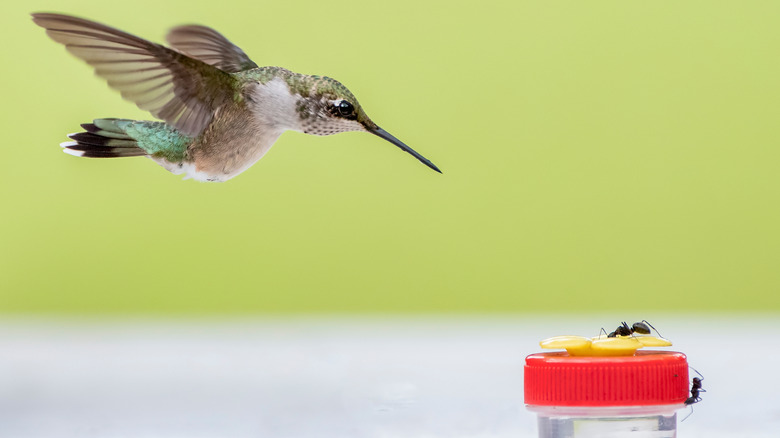
Ants love sweet nectarfound in hummingbird feeders. This sugary liquid is a perfect food sourcefor them. The nectar’s smell and taste attract ants from far away.
Easy access points let ants reach the nectar quickly. Tiny openings or cracks in the feeder allow ants to enter. Ants use any pathto get to the sweet liquid inside.
- Small holes or gaps in the feeder body
- Unsealed lids or loose parts
- Feeders placed near plants or tree branches
- Sticky residue on feeder surfaces
These access points make it hard to keep ants away. Ants are persistent and fastat finding ways in. Keeping feeders clean and sealed helps reduce ant visits.
Credit: www.housedigest.com
Common Ant Deterrent Methods
Physical barriers stop ants from reaching hummingbird feeders. Use ant moatsfilled with water to block their path. Placing feeders on poles with a sticky bandwrapped around stops ants climbing up. Keep the feeder area clean to avoid attracting ants.
Natural repellents like vinegar, cinnamon, and peppermint oilwork well. Wipe feeder parts with vinegar or sprinkle cinnamon around the base. Peppermint oil drops near feeders can keep ants away without harming birds.
| Commercial Solutions | How They Work |
|---|---|
| Ant Moats | Filled with water, they create a moat barrier |
| Sticky Barriers | Sticky tape or bands prevent ants from climbing |
| Ant Baits | Placed away from feeders to lure ants away |
Effective Feeder Placement
Place hummingbird feeders in high spotsaway from easy ant access. Ants find it hard to climb on poles or tree branches.
Use poles or hang feeders from hooks that are at least 4 to 6 feetabove the ground. This keeps ants from reaching the food.
Keep feeders far from ant trails. Ants follow these trails to find food quickly.
Look around your yard for ant paths and choose a spot at least 5 feet away. This reduces ant visits at the feeder.
Design Features To Prevent Ants
Built-in ant moatsare small water-filled barriers that stop ants from reaching nectar. Ants cannot cross the water, keeping feeders clean and safe for hummingbirds. These moats work without chemicals, making them eco-friendly. They need refilling often to stay effective.
Feeder material choicesalso affect ant control. Metal and glass feeders are less attractive to ants than plastic ones. Smooth surfaces make it harder for ants to climb. Plastic feeders can trap sugar residue, inviting ants.
| Material | Ant Resistance | Cleaning Ease |
|---|---|---|
| Metal | High | Easy |
| Glass | High | Easy |
| Plastic | Low | Moderate |
Maintaining Clean Feeders
Keeping hummingbird feeders cleanis key to stopping ants. Dirt and old nectar attract ants quickly. Wash feeders every 3-4 daysusing warm water and mild soap. Rinse well to remove soap. Dry completely before refilling.
Fresh nectar helps keep ants away too. Replace nectar every 2-3 daysduring warm weather. Use a simple mix of four parts water and one part sugar. Avoid using honey or artificial sweeteners as they can attract ants and harm birds.
- Empty feeders before cleaning.
- Use a brush to scrub tiny holes.
- Check for cracks where ants can hide.
- Place feeders away from ant trails.

Credit: www.facebook.com
Diy Ant Moat Solutions
Fill a shallow dish with water and place it under the feeder’s base. This water moatstops ants from reaching the feeder. Ants cannot cross the water barrier, so they stay away from the nectar.
Make sure to keep the water fresh and full. Change it often to prevent mosquitoes from breeding.
- Use a wide dish to hold enough water.
- Keep the water clean to avoid mold.
- Check daily and refill as needed.
Apply a thin layer of cooking oil or vegetable oil on the feeder’s hanging wire or pole. This oil barrierblocks ants by making the surface slippery.
Use a cotton swab to spread oil evenly. Avoid letting oil touch the nectar or feeder openings.
Safe Natural Repellents
Natural repellents like vinegar, cinnamon, and peppermint oil keep ants away without harming hummingbirds. Sprinkling these safe substances around feeders creates an effective barrier ants avoid.
Cinnamon And Clove
Cinnamon and clove are great for keeping ants away. Sprinkle ground cinnamon around feeders. Ants dislike its strong smell. Clove oil works wonders too. Dab a bit on feeder bases. Ants avoid clove oil because it smells strong.
Vinegar Sprays
Vinegar is another natural option. Mix vinegar with water. Use equal parts for best results. Spray around feeder areas. Ants hate vinegar’s sharp scent. Reapply every few days. It keeps the area fresh and ant-free. Vinegar is safe for birds too.
Frequently Asked Questions
How Do Ants Get Into Hummingbird Feeders?
Ants are attracted to the sugary nectar in feeders. They crawl down the feeder’s hook or tube to reach the nectar. Without a barrier, ants can easily invade and contaminate the feeder, disturbing hummingbirds.
What Prevents Ants From Reaching The Nectar?
Installing ant moats filled with water around the feeder’s hook creates a physical barrier. Ants cannot cross water, preventing access to nectar. Regularly cleaning the feeder and surrounding area also reduces ant attraction.
Can Natural Repellents Deter Ants On Feeders?
Yes, natural repellents like cinnamon, cayenne pepper, or vinegar can keep ants away. Sprinkle these around the feeder base or wipe the feeder’s exterior. These safe methods discourage ants without harming hummingbirds.
Why Is An Ant Moat Effective For Feeders?
An ant moat traps ants in water, blocking their path to nectar. It is a simple, chemical-free solution that protects the feeder. Maintaining water levels in the moat ensures continuous ant prevention.
Conclusion
Ants can spoil the joy of feeding hummingbirds. Simple steps keep ants away from feeders. Use barriers like tape or water moats to block ants. Clean feeders often to remove sugary residue. Place feeders where ants find it hard to reach.
These small actions protect your hummingbirds and keep feeders clean. Enjoy watching hummingbirds without worrying about ants. Keep these tips in mind for a peaceful garden. Safe, ant-free feeding means happy hummingbirds and you.