Have you ever wished you could understand what birds are trying to tell you? Imagine the joy of having a simple conversation with your feathered friends.
Learning how to communicate with birds isn’t just fascinating—it can deepen your connection with nature and even improve your pet bird’s happiness. You’ll discover easy and practical ways to talk with birds, whether they’re wild visitors or your own companions at home.
Ready to unlock the secrets of bird communication? Keep reading, and you’ll soon see the world of birds in a whole new light.
Basics Of Bird Communication
Birds use different sounds to communicate. These sounds include chirps, songs, and calls. Chirps are short and simple, often used to show alarm or keep contact. Songs are longer and more complex, mainly for attracting mates or marking territory. Calls serve many purposes, like warning others of danger or signaling food.
Body language is also key. Birds use posture, wing movements, and head tiltsto express feelings. For example, puffed feathers can mean a bird is relaxed or cold. A lowered head might show submission or fear. Watching these signals helps you understand a bird’s mood.

Credit: www.tiktok.com
Listening To Bird Calls
Bird callsare sounds birds use to talk. Each bird has its own unique call. These calls help birds find food, warn about danger, or attract mates.
Some common bird calls include:
- Chirping:short, high sounds often for communication.
- Whistling:clear, musical sounds used to mark territory.
- Crowing:loud, rough calls mostly from crows or ravens.
- Trilling:rapid, repeated notes to show excitement.
Using technology makes hearing bird calls easier. Apps and devices can record and play bird sounds. This helps learn and recognize calls in nature. Some apps even show the bird that made the sound.
Mimicking Bird Sounds
Mimicking bird soundshelps build trust with birds. Start by listening carefullyto their calls. Try to copy the pitch, tone, and rhythmexactly. Use your voice or a simple whistle to imitate sounds. Practice in a quiet place to hear details well.
Here are some techniques to copy calls:
- Break the call into small parts.
- Repeat each part slowly.
- Match your voice to the bird’s sound.
- Use a recorder to compare your imitation.
Practicing birdsong imitation takes patience. Spend a few minutes daily repeating sounds. Try to notice subtle changes in pitch. Over time, your imitation will sound more natural.
Building Trust With Birds
Moving slowly helps birds feel safe. Quick movements scare them away. Keep your voice soft and calm. Loud noises make birds nervous. Stay at a distance first. Getting too close frightens birds.
Birds love seeds and nuts. Offer food to make friends. Wait patiently for birds to come. They might take time to trust. Do not rush or chase them. Let birds approach at their own pace.
Interpreting Bird Behavior
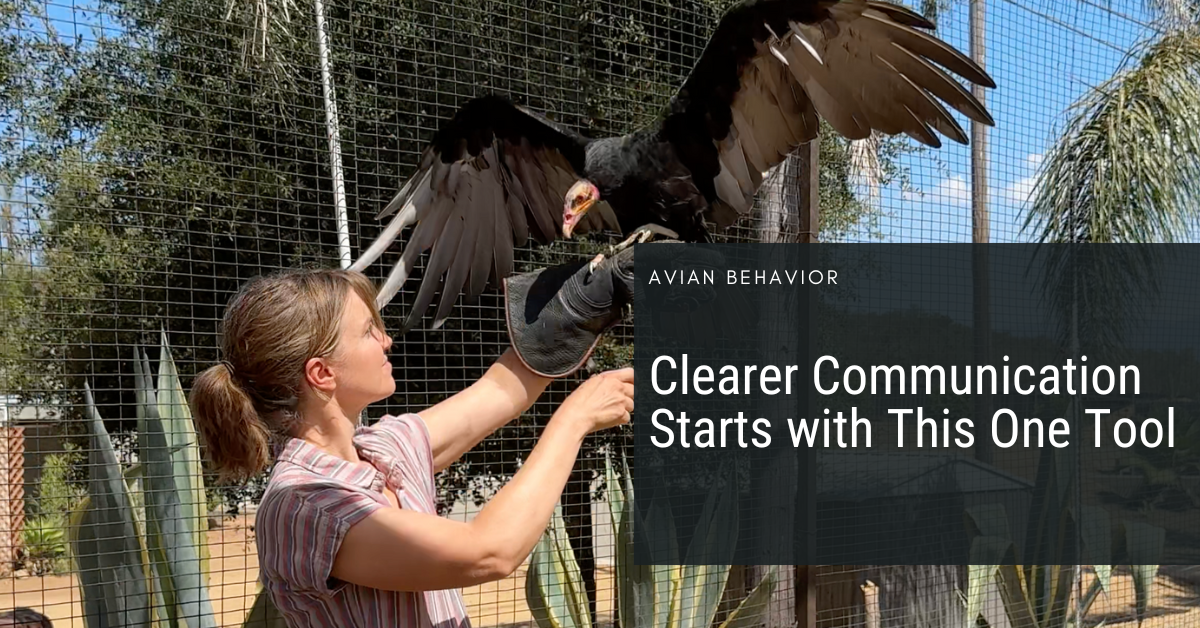
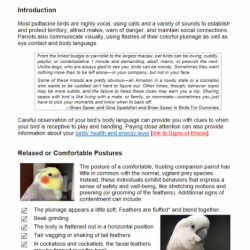
Birds show comfortby fluffing feathers and softly chirping. A relaxed bird often preens its feathers or closes its eyes. Stretching wings or legs also means the bird feels safe.
Signs of stressinclude rapid breathing, biting, and loud squawks. Birds may also hide their heads or shake their bodies. Tail flicking and pacing are other stress signals.
Responding to bird signalsmeans staying calm and quiet. Give the bird space if it seems scared. Speak softly and avoid sudden moves. Offer treats to build trust slowly.
Credit: avian-behavior.org
Credit: lafeber.com
Frequently Asked Questions
How Do Birds Communicate With Humans?
Birds use sounds, body language, and eye movements to express feelings and needs to humans.
What Sounds Help In Communicating With Birds?
Whistling, mimicking bird calls, and soft talking attract birds and build trust with them.
Can I Teach My Bird To Understand Me?
Yes, with patience and repetition, birds can learn simple words and commands from you.
Conclusion
Communicating with birds takes patience and practice. Watch their body language closely. Use soft tones and simple sounds. Birds respond best to calm, gentle voices. Spend time daily to build trust. Small steps lead to strong connections. Enjoy the quiet moments of understanding.
Every bird is unique, so stay patient. Nature offers many ways to connect with birds. Keep learning and observing their signals. Your bond will grow with care and time.