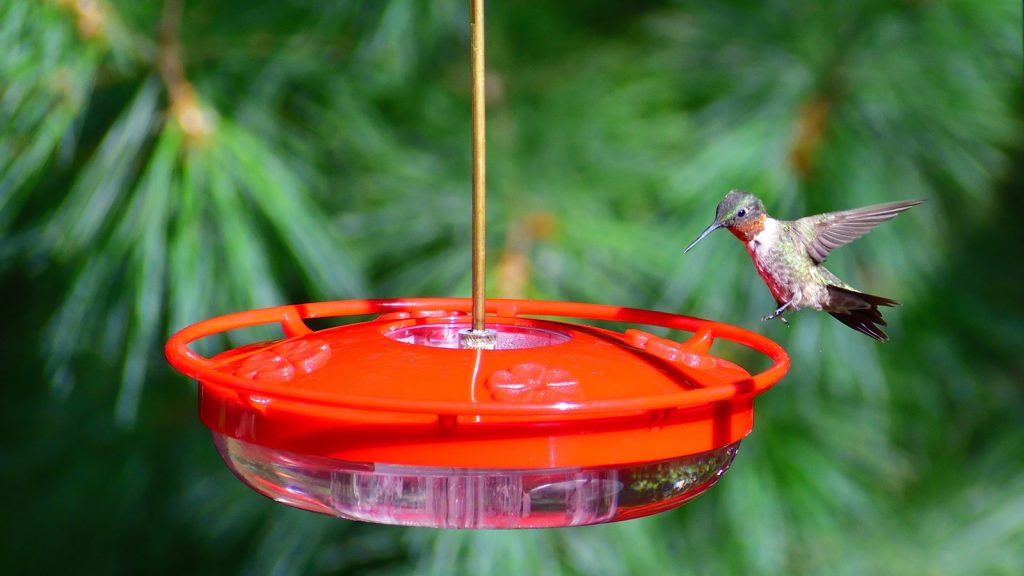
If you love watching hummingbirds flutter around your garden, keeping your feeder clean is one of the most important things you can do. But how do you clean a hummingbird feeder safely without harming these tiny visitors?
You might think it’s a simple task, but using the wrong cleaning methods can actually put your hummingbirds at risk. You’ll discover easy, safe steps to keep your feeder fresh and inviting. By following these tips, you’ll protect your feathered friends and enjoy their vibrant visits all season long.
Keep reading to learn exactly how to clean your hummingbird feeder the right way.

Credit: www.facebook.com
Choosing The Right Cleaning Tools
Choosing soft brushes and mild cleaning tools helps protect delicate feeder parts. Avoid harsh scrubbing to keep the feeder safe for hummingbirds. Gentle tools ensure thorough cleaning without damage.
Soft Brushes
Soft brushes help clean feeders without scratching them. They reach tight spots and remove dirt easily. Brushes with nylon bristles are gentle but effective. Avoid metal brushes as they may damage the feeder. Using the right brush keeps the feeder safe for hummingbirds.
Non-toxic Cleaners
Non-toxic cleaners remove mold and residue safely. Vinegar mixed with water is a good natural cleaner. It kills germs without harming birds. Avoid harsh chemicals like bleach unless diluted well. Rinse the feeder thoroughly after cleaning to remove all cleaner traces.
Credit: happygardens.com
Disassembling The Feeder
Carefully take apart the hummingbird feeder to clean each piece well. Handle all parts gently to avoid cracks or breaks. Separate the base, bottle, and feeding ports for easier cleaning.
Check every part for signs of damage. Look for cracks, leaks, or clogged holes. Damaged feeders may hurt hummingbirds or spill nectar. Replace parts if you find any problems.
Cleaning With Vinegar Solution
Mix one part white vinegar with four parts warm water. This makes a gentle and safe cleaning solution for the feeder. Use enough solution to fully cover the parts of the feeder.
Soak the feeder parts in the vinegar solution for about 30 minutes. This helps loosen dirt and mold.
After soaking, use a soft brush or sponge to scrub all surfaces carefully. Pay special attention to tiny holes and corners where mold hides.
Rinse the feeder well with clean water. Make sure no vinegar smell remains before refilling with nectar.

Credit: www.youtube.com
Rinsing And Drying Thoroughly
Use warm water to rinse the feeder. Make sure all parts are wet. This helps remove dirt and old nectar. Scrub gently with a brush. Ensure you get into every corner. Rinse thoroughly to remove soap.
Removing Residue
- Fill the feeder with warm water.
- Add a small amount of vinegar.
- Shake the feeder gently.
- Let it sit for a few minutes.
- Rinse well with clean water.
Air Drying Tips
Place the feeder in a sunny spot. Make sure parts are separated. This helps them dry faster. Avoid using towels. Towels can leave lint behind. Let it dry completely before refilling. This prevents mold and bacteria.
Maintaining A Cleaning Schedule
Cleaning your hummingbird feeder often keeps birds healthy. Change the nectar every 3-4 days in hot weather. Cooler weather allows cleaning every 7 days. Dirt and leftover nectar can grow mold and bacteria. These can harm birds quickly.
Use a brush to scrub all parts. Rinse well with hot water to remove sugar and germs. Dry the feeder fully before refilling. Avoid using soap, which can leave harmful residues.
| Condition | Cleaning Frequency |
|---|---|
| Hot Weather (above 80°F) | Every 3-4 days |
| Cool Weather (below 80°F) | Every 7 days |
| Visible Mold or Cloudy Nectar | Clean immediately |
Frequently Asked Questions
How Often Should I Clean My Hummingbird Feeder?
Clean your feeder every 3-4 days in hot weather. This keeps nectar fresh and safe for birds.
What Is The Safest Way To Clean A Hummingbird Feeder?
Use warm water and mild soap. Rinse well to remove all soap before refilling.
Can I Use Vinegar To Clean My Hummingbird Feeder?
Yes, a vinegar solution helps remove mold and bacteria. Rinse thoroughly to avoid harming birds.
Conclusion
Cleaning a hummingbird feeder keeps birds healthy and happy. Regular care stops mold and bacteria growth. Use gentle soap and water for best results. Rinse well to avoid harmful residues. Clean your feeder every few days during warm months. This simple habit attracts more hummingbirds to your yard.
Enjoy watching these tiny birds visit safely. A clean feeder means more vibrant and active hummingbirds. Keep it simple, safe, and consistent. Your effort helps protect these beautiful creatures.